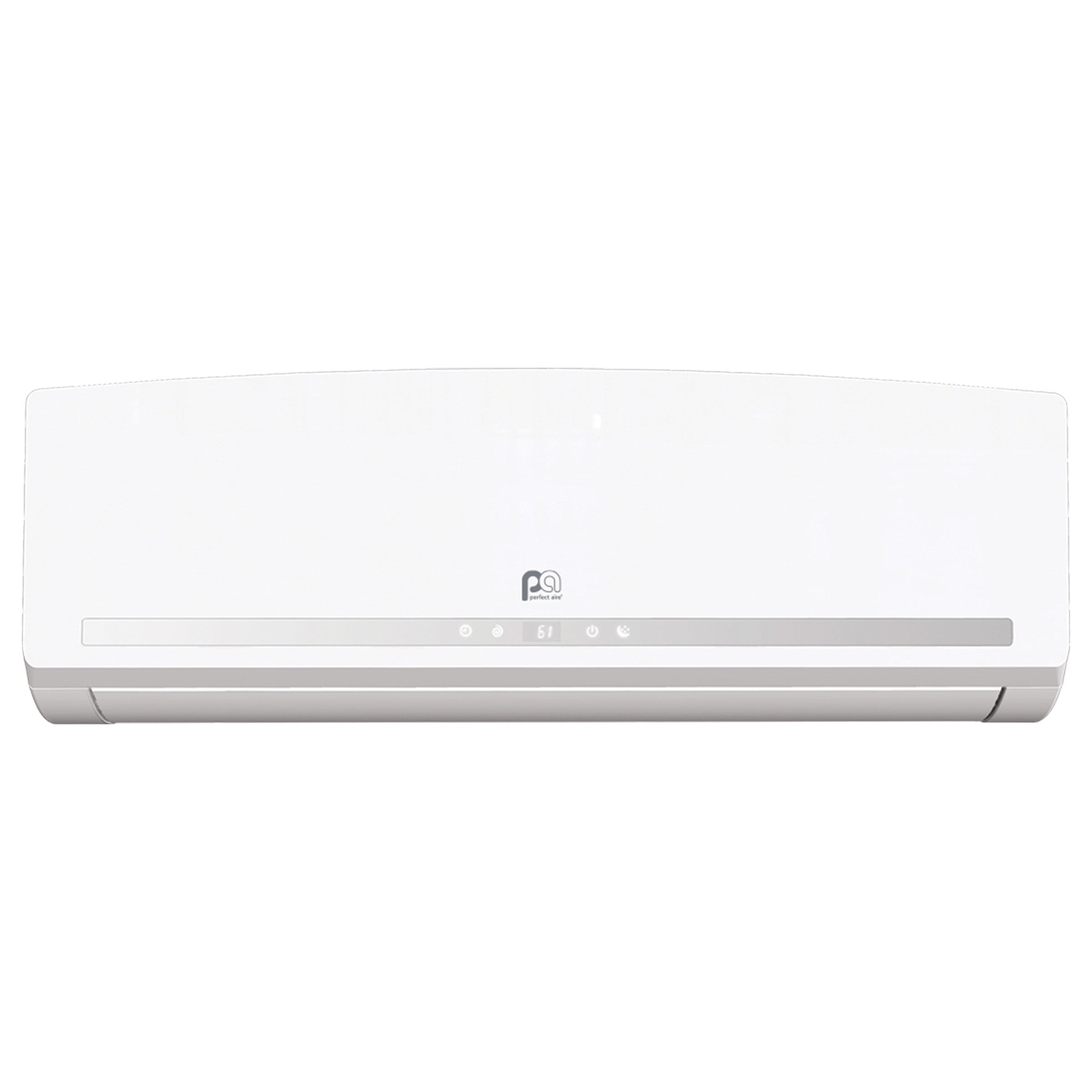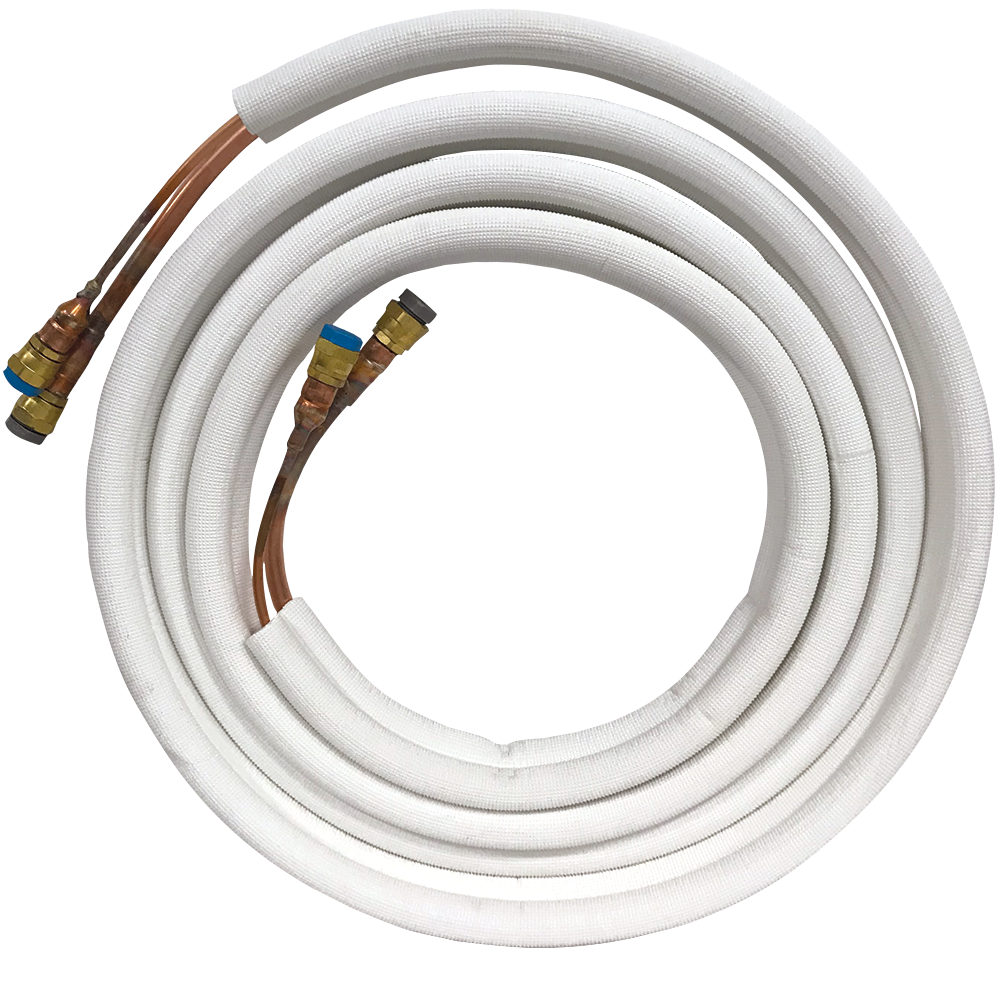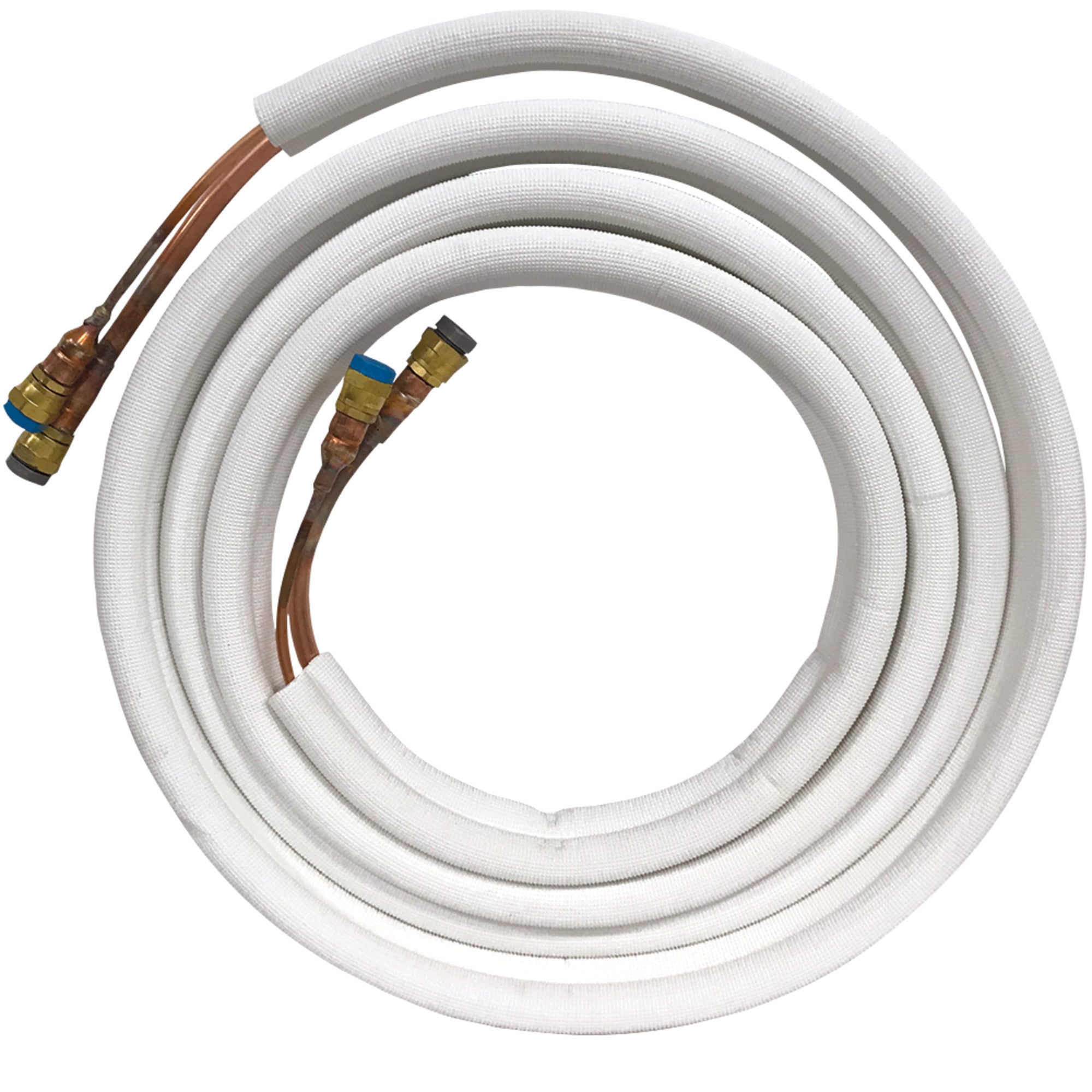

If your heating bill feels higher every winter, you’re not imagining it. Heating is one of the most energy-intensive parts of running a home, especially when you rely on older systems, electric baseboards, or space heaters to stay comfortable. Those solutions work, but they’re often inefficient and expensive to run for long periods of time.
That’s where mini-splits enter the conversation. Homeowners are increasingly asking whether these systems can actually lower heating bills, or if they’re just another upgrade that sounds good on paper. The short answer is that mini-splits can deliver real savings, but understanding why they’re more efficient makes all the difference.
How Mini-Splits Use Less Energy Than Traditional Heating
Traditional electric heating systems generate heat by consuming electricity directly. Space heaters and baseboard heaters are especially inefficient because they run at full power whenever they’re on, regardless of how much heat the room actually needs.
Mini-splits work differently. Most systems use inverter technology, which allows the unit to adjust its output in real time. Instead of cycling on and off at full blast, the system ramps up or down to maintain a steady temperature. That steady operation uses less energy and avoids the spikes in power draw that drive up utility bills.
Because mini-splits are heat pumps, they move heat rather than create it. Even in cold weather, this process requires less electricity than resistance-based heating. The result is a more efficient way to heat your space without sacrificing comfort.

Where Mini-Splits Deliver the Biggest Savings
The biggest heating savings don’t usually come from replacing an entire system overnight. They come from targeting the spaces that are hardest or most expensive to heat.
Mini-splits shine in rooms that never seem to stay warm, like bedrooms, home offices, finished attics, or additions. Instead of pushing more heat through a whole-house system, you can heat only the rooms you’re actually using. That kind of zoned heating cuts down on wasted energy and helps keep monthly bills more predictable.
They’re also a strong upgrade from electric baseboards or space heaters. Those systems draw a lot of power and offer little control. A mini-split provides consistent heat with far better efficiency, making it easier to stay comfortable without watching your electric bill climb.
The Bottom Line on Heating Savings
Mini-splits aren’t a shortcut to a zero heating bill, but they are a smarter way to control how much energy you use. By combining inverter technology with zoned heating, they reduce wasted power and give you more control over where your money goes each month.
For homeowners relying on space heaters, baseboards, or an overworked central system, the savings can be meaningful. Heating only the rooms you use, and doing it efficiently, adds up over time without sacrificing comfort.
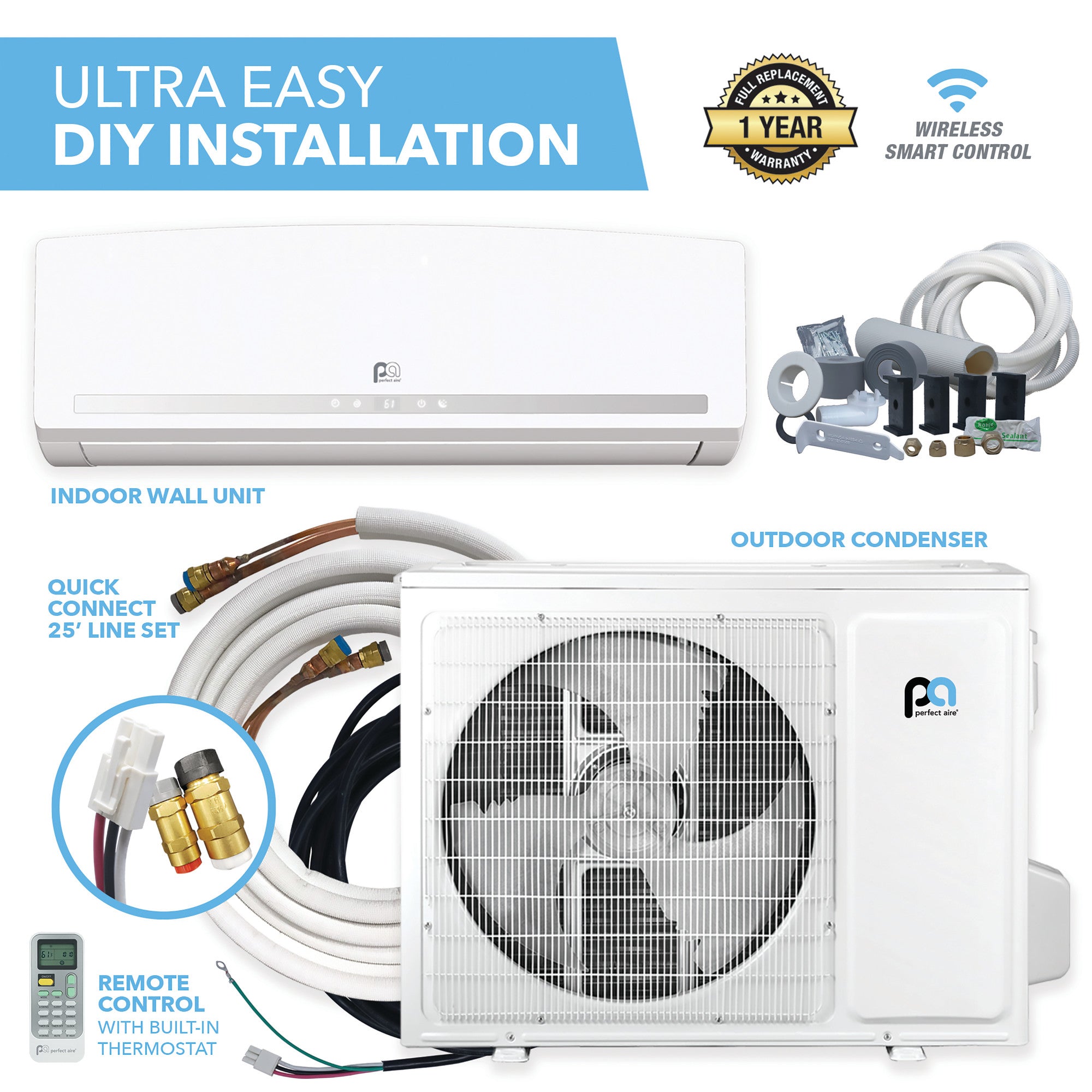
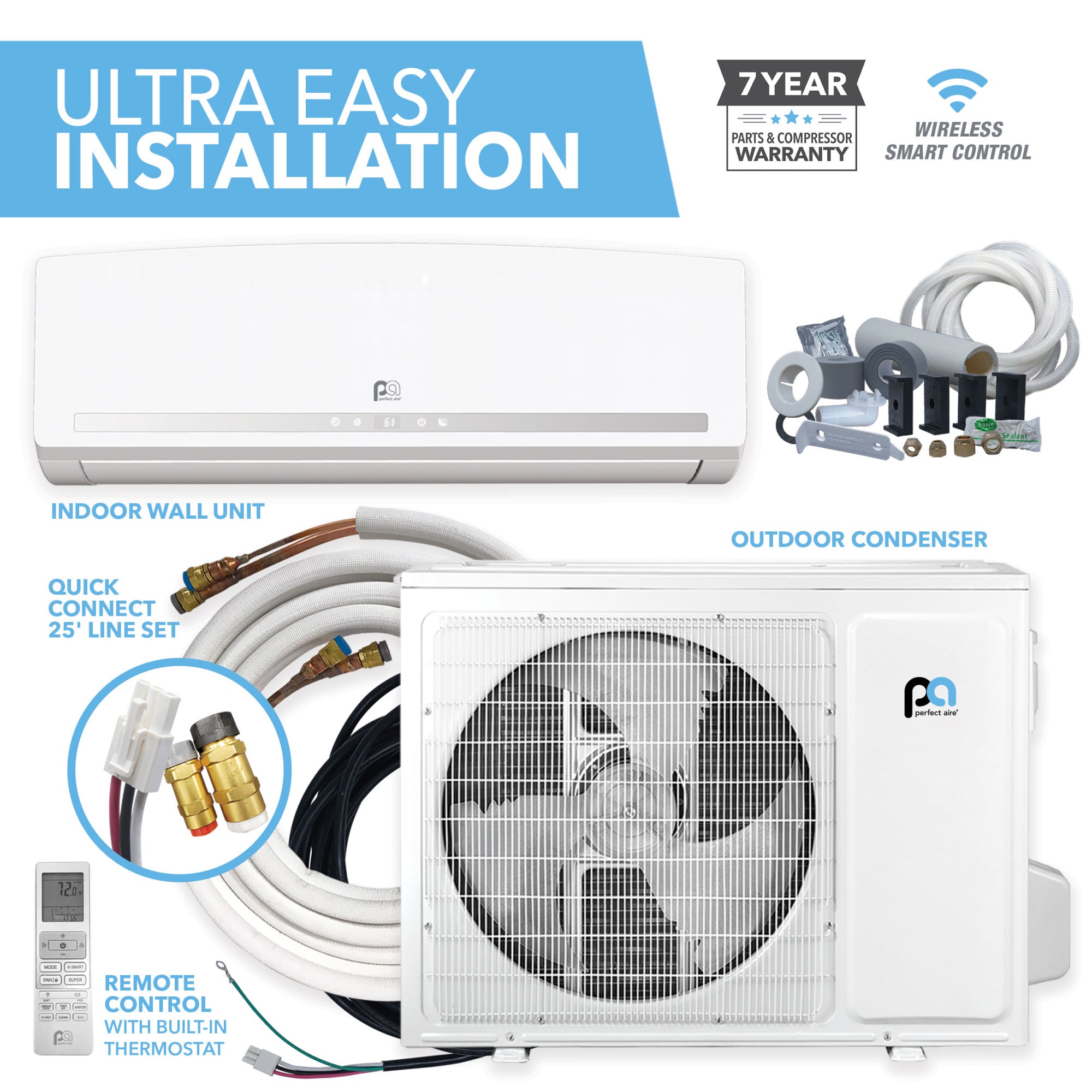
If you’re looking for a practical way to lower heating costs without a full HVAC overhaul, DIY mini-splits are a solid place to start. Explore your options at The HVAC Spot and see how targeted heating can make a noticeable difference in your home.