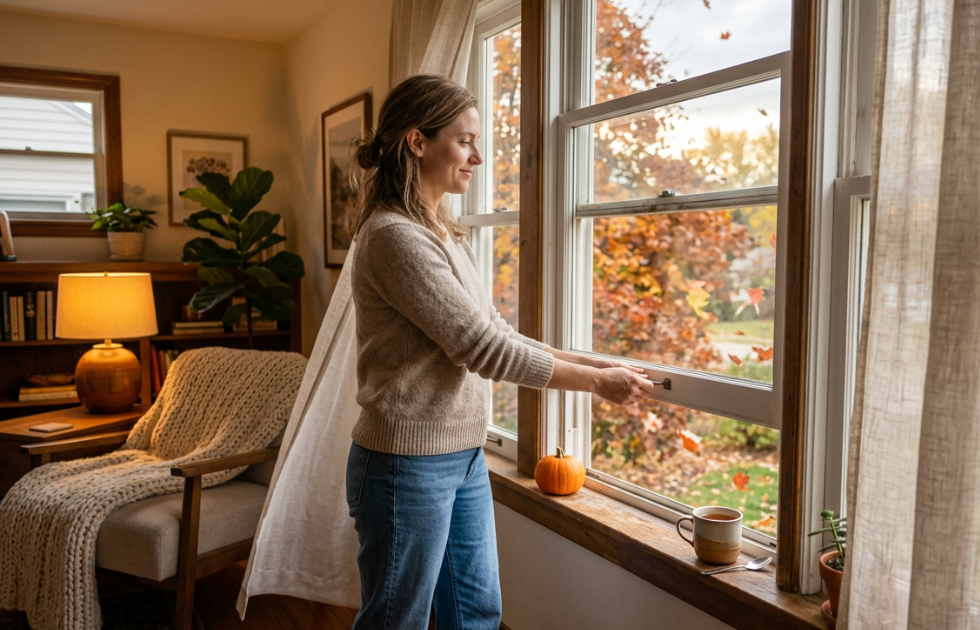
Sometime in September or October, the windows close and stay closed.
It happens gradually. A cool night here, a rainy week there, and then one morning you just don't open them anymore. The house seals up for the season and whatever is in the air inside stays there a lot longer than it did in July.
Most people notice something shifts. The air feels different. Maybe drier. Maybe stuffier. Maybe there's a smell when the heat kicks on for the first time that wasn't there in spring. These aren't imaginary. They're the predictable result of a home transitioning from a ventilated summer state to a sealed fall one.
Understanding what's actually happening to your indoor air in fall is the first step toward doing something practical about it.

Quick Answer: What's in Your Indoor Air During Fall?
When homes seal up for fall, indoor air accumulates dust, dust mites, pet dander, mold spores, and volatile organic compounds (VOCs) from household products and building materials. Heating systems stir up settled dust and debris when they run for the first time each season. Humidity drops as heating runs continuously, which dries out the air and can irritate airways and skin. Improving fall indoor air quality usually means filtering particulates with an air purifier, adding moisture back with a humidifier, and keeping an eye on humidity levels as the season progresses.
Why Fall Changes Your Indoor Air
Summer keeps air moving. Open windows, cross breezes, and natural ventilation dilute indoor pollutants and push fresh air through the home regularly. It's not a perfect system, but it helps.
Fall closes all of that off.
When windows seal up for the season, the air inside stops exchanging with outside air at the same rate. Pollutants that were diluting or escaping now accumulate. Dust settles and gets stirred up again. Pet dander that drifted out an open window in July now recirculates indefinitely. Cooking smells, cleaning product fumes, and off-gassing from furniture and building materials build up in a way they simply don't during summer.
The first time the heating system runs each fall adds another layer. Dust and debris that settled in ducts, on heat exchangers, and around vents over the summer get pushed back into the living space when the system fires up. That distinctive first-heat smell most people recognize is exactly that process happening in real time.
None of this is alarming on its own. It's just the predictable result of a home shifting from one seasonal state to another. Knowing what's driving it makes it easier to address.
What's Actually in Your Indoor Air During Fall
The list is longer than most people expect, and most of it was there in summer too. The difference is that fall gives it nowhere to go.
- Dust and dust mites. Household dust recirculates more consistently in a sealed home. Dust mite particles are a common allergen and become harder to escape once natural ventilation stops.
- Pet dander. Microscopic and long-airborne, pet dander that drifted out open windows in summer now recirculates indefinitely. Households with pets often notice a corresponding uptick in allergy symptoms as windows close for the season.
- Mold spores. Fall moisture from rain, fallen leaves, and temperature-driven condensation creates conditions where indoor spore counts can climb. Basements, bathrooms, and poorly ventilated rooms are the most common problem areas.
- Volatile organic compounds. VOCs off-gas from cleaning supplies, paints, synthetic fabrics, and building materials. In a sealed home they accumulate rather than disperse. Candles, fireplaces, and increased fall cleaning activity add to the load.
- Heating system debris. The first heating cycles of fall push settled dust and debris from ducts, and heat exchangers back into the living space. A clean filter at the start of heating season makes a meaningful difference.
How to Improve Indoor Air Quality This Fall
The good news is that fall indoor air quality responds well to a few practical steps. None of them require major changes to your home.
- Change or clean your heating system filter first. Before anything else, put a fresh filter in your furnace, or clean your PTAC or mini-split air handler filter, at the start of heating season. It's the single highest-impact step for most homes and costs next to nothing. A clogged or old filter recirculates everything the system collects rather than trapping it, and reduces your system’s efficiency.
- Run an air purifier in the rooms you use most. A true HEPA air purifier captures fine particulates including dust, pet dander, mold spores, and other airborne contaminants that heating system filters don't address. Run one in the bedroom and main living area as a baseline. If anyone in the household has allergies or asthma, prioritize those spaces first.
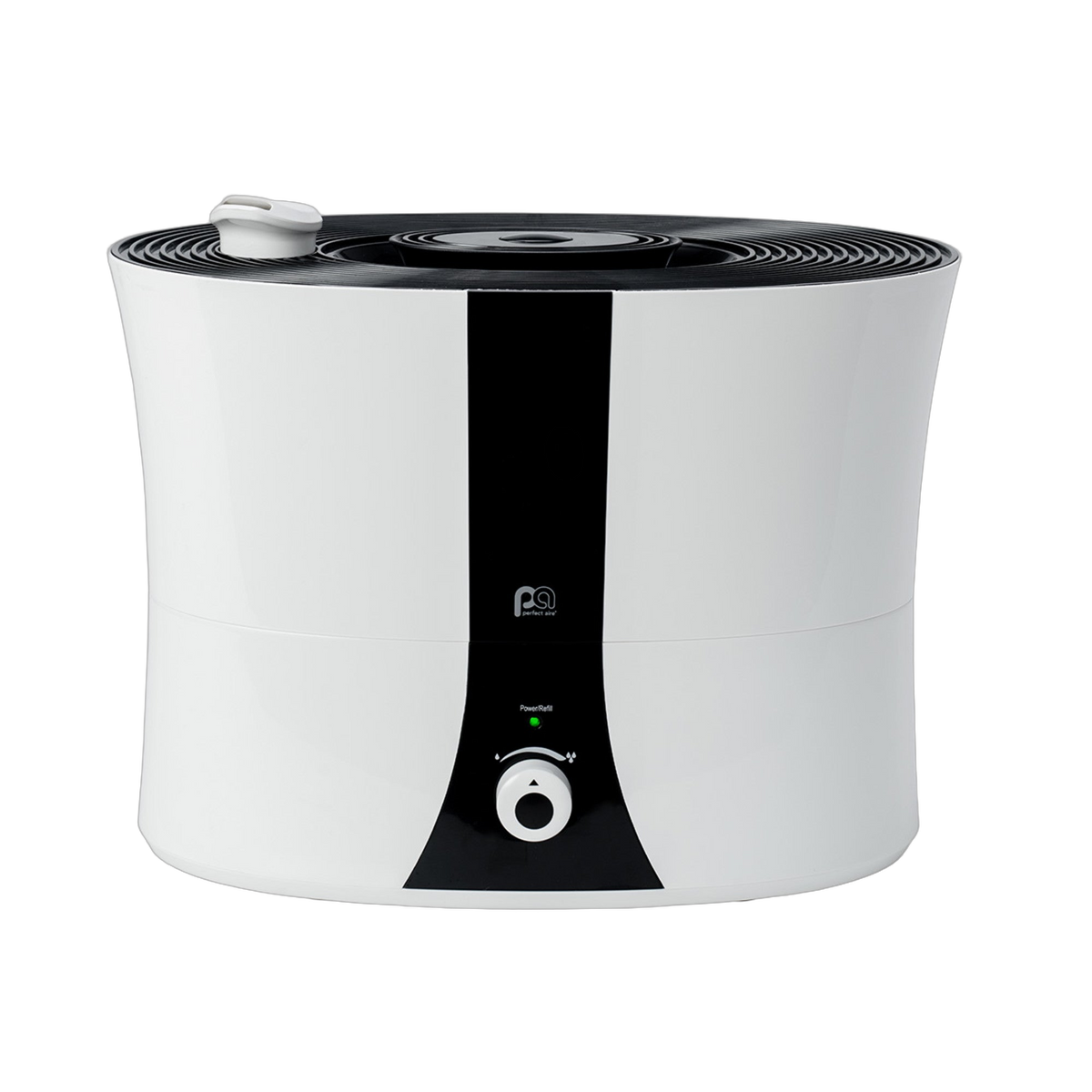
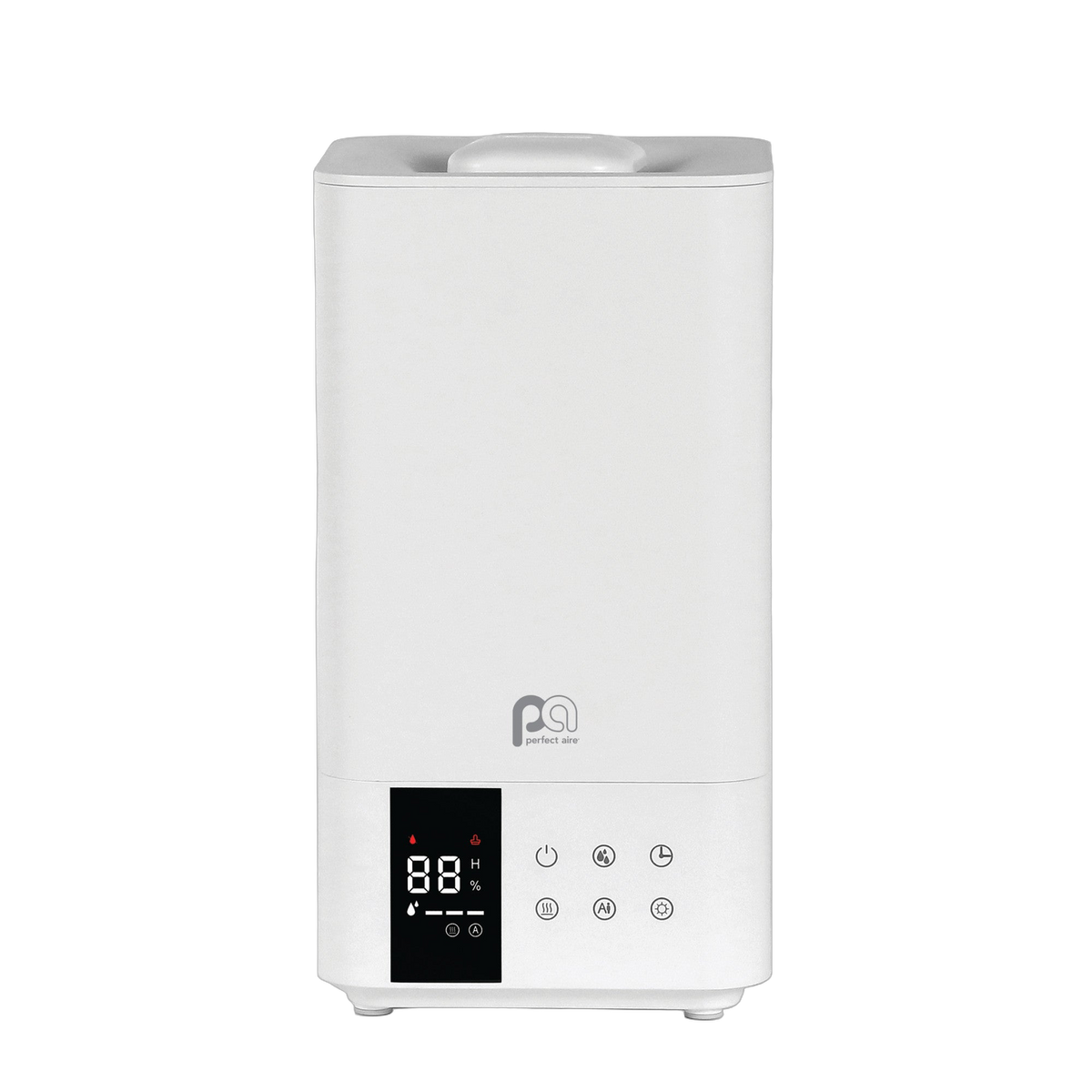
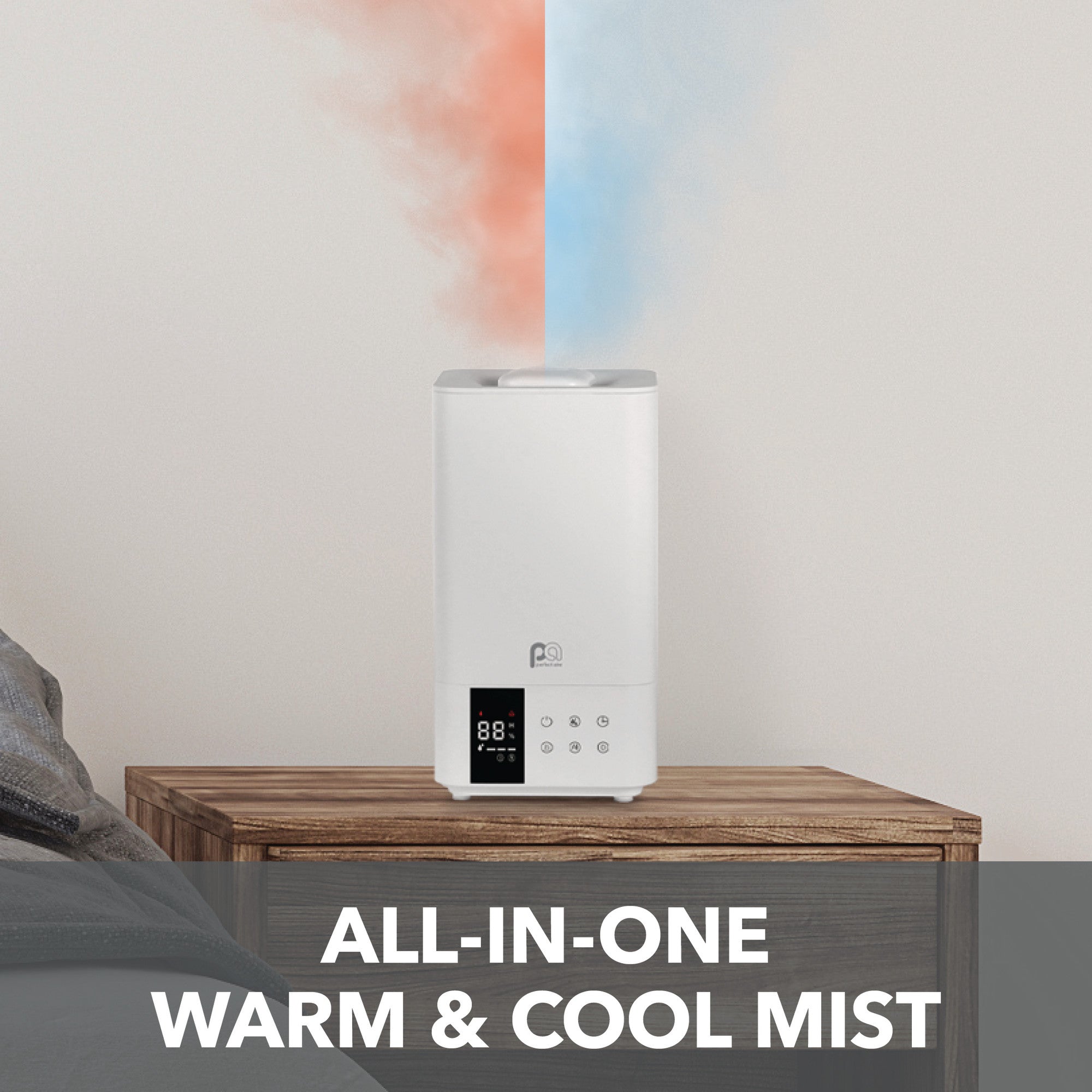
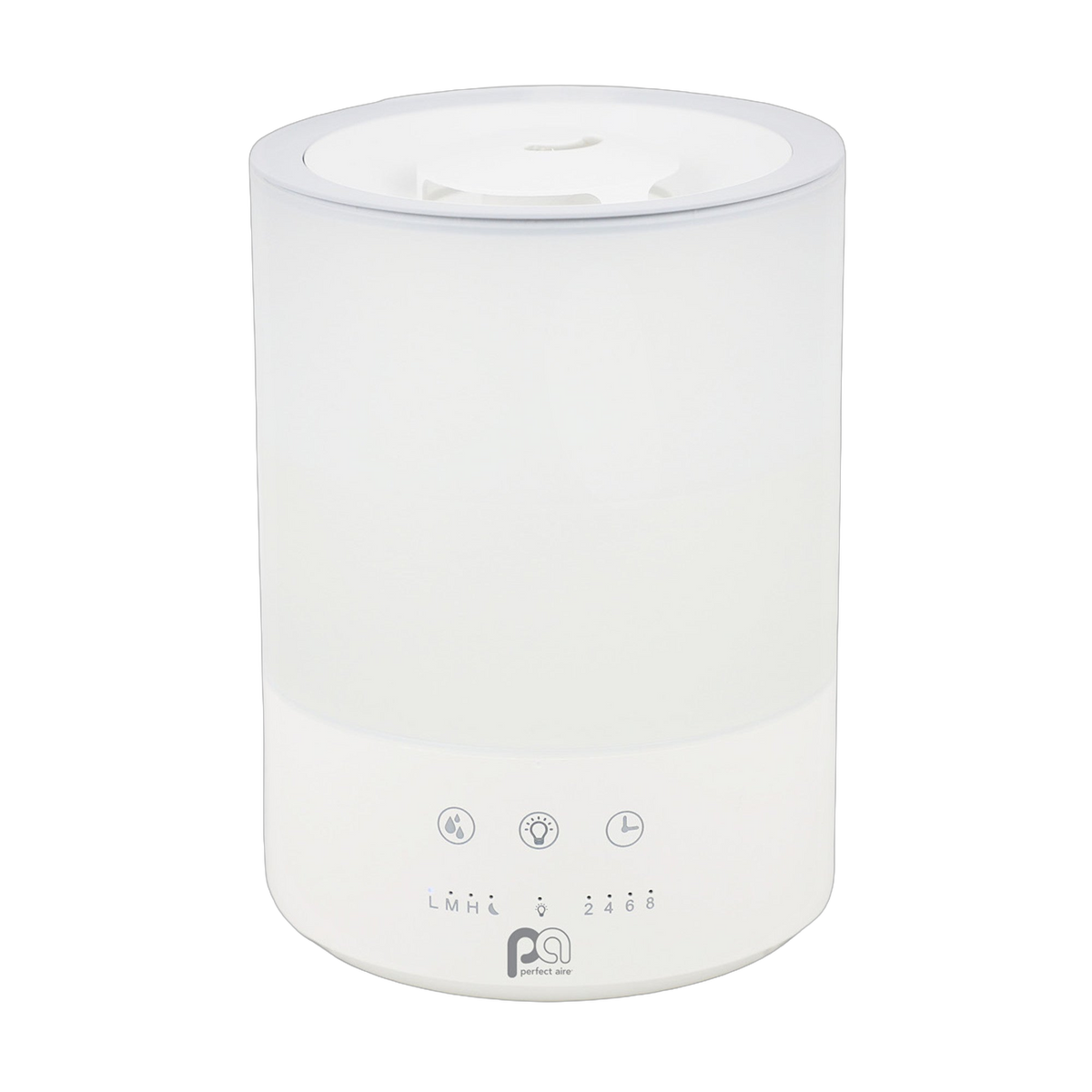
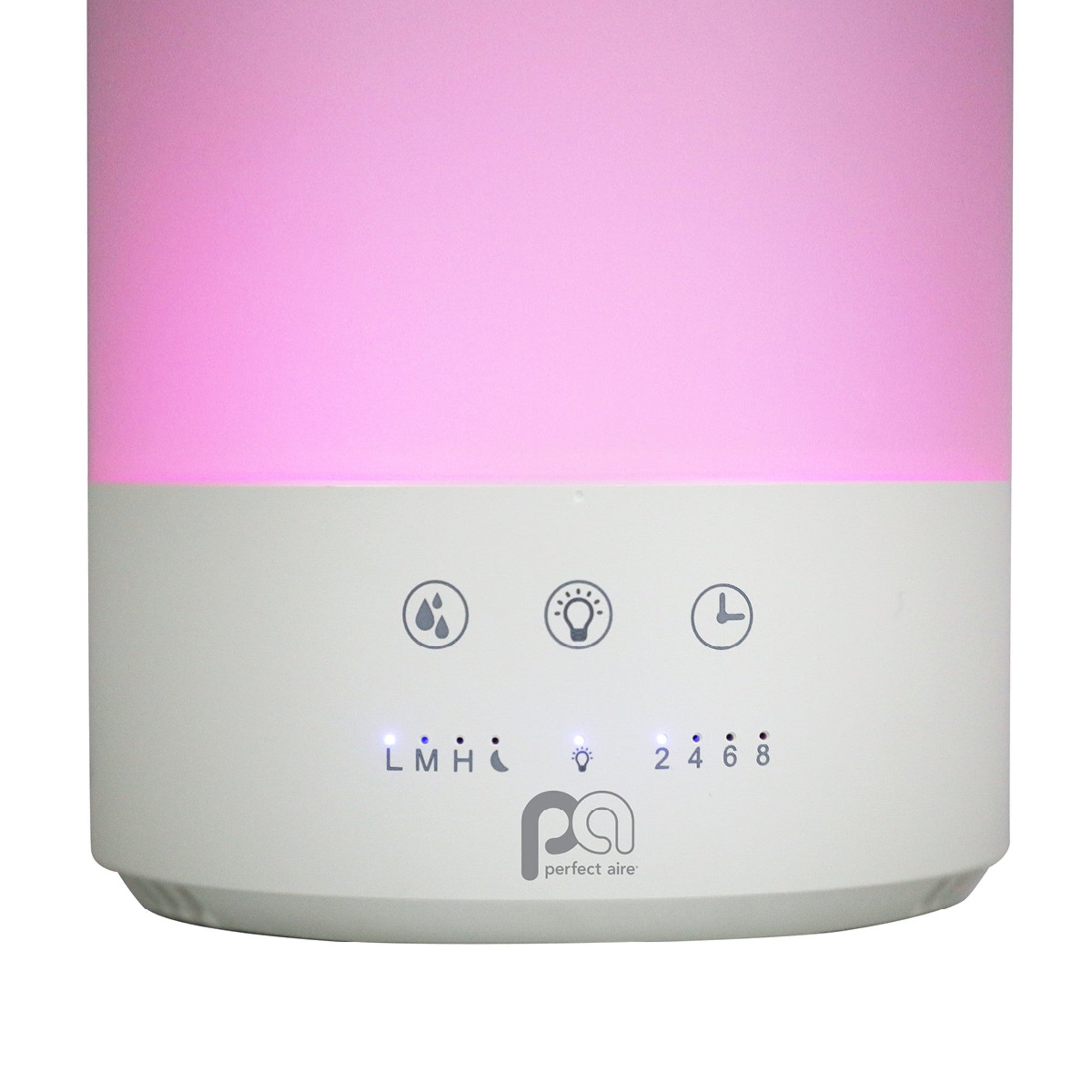
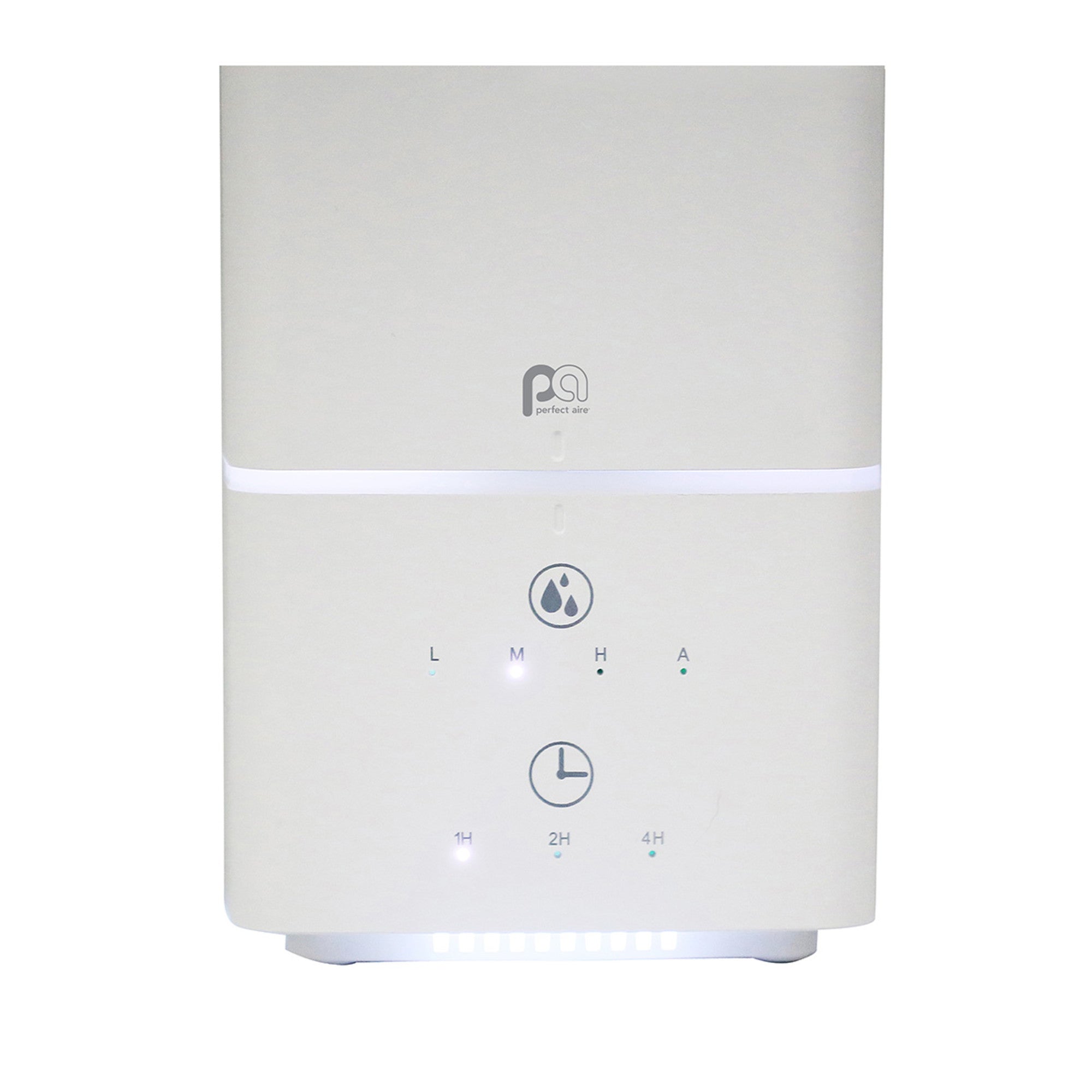
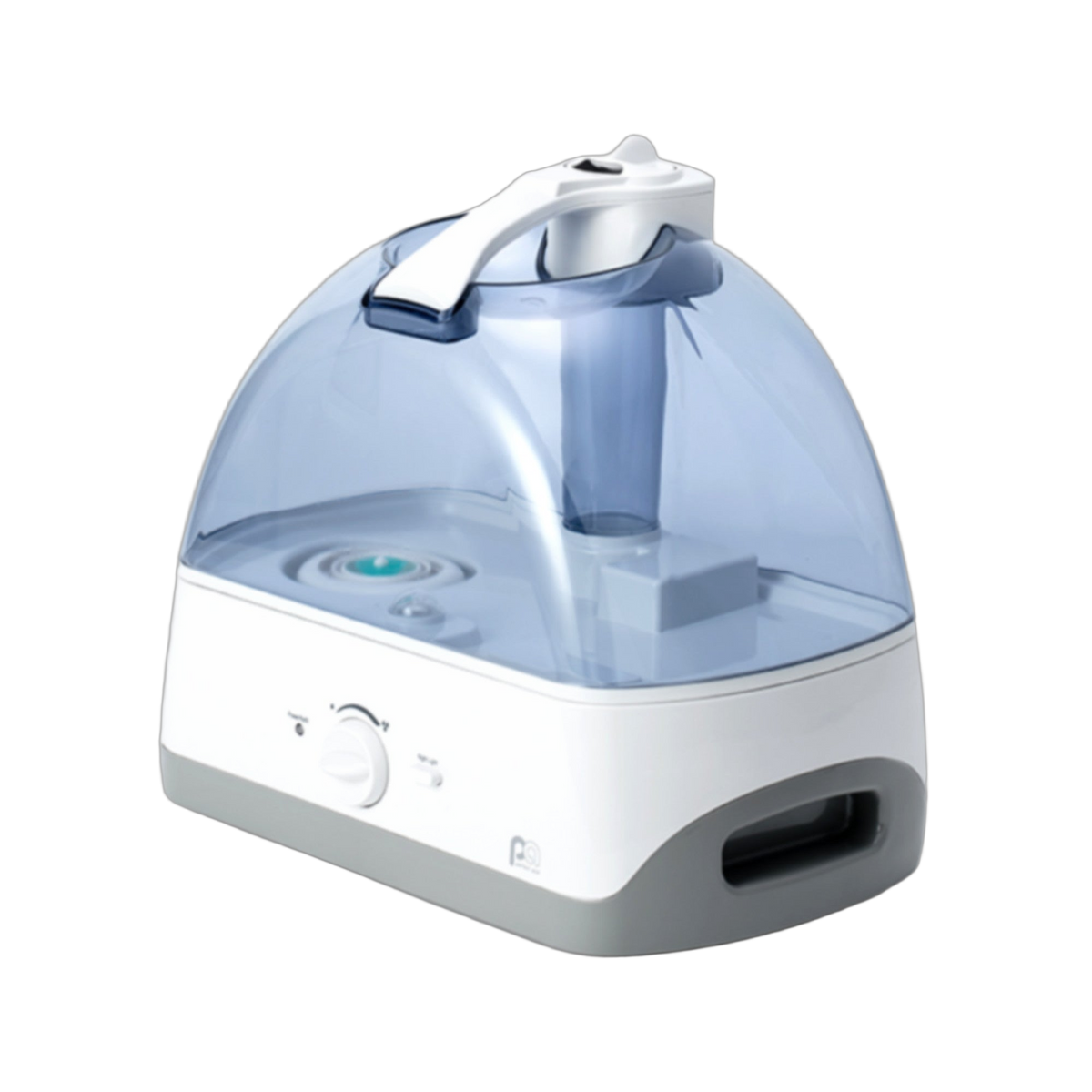
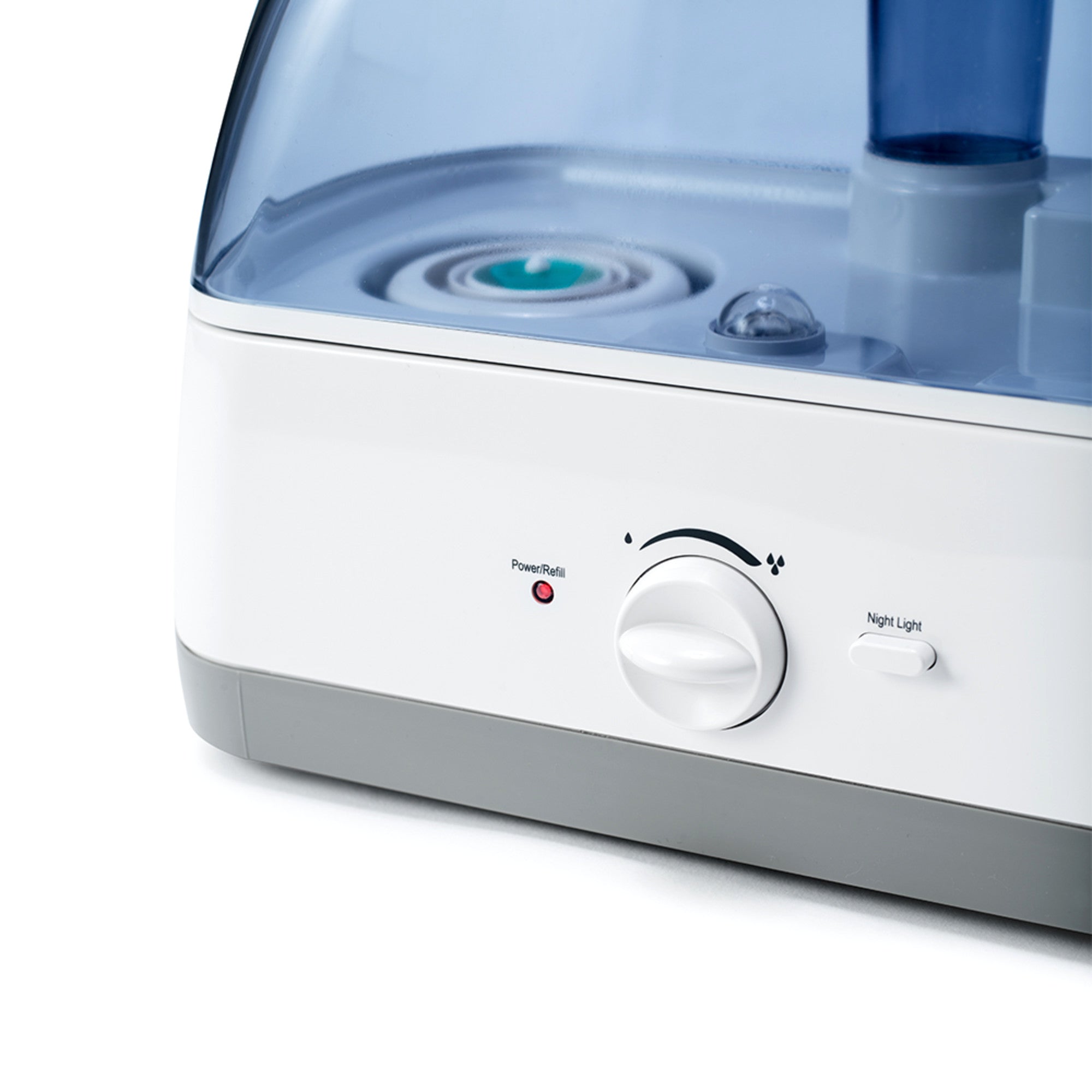
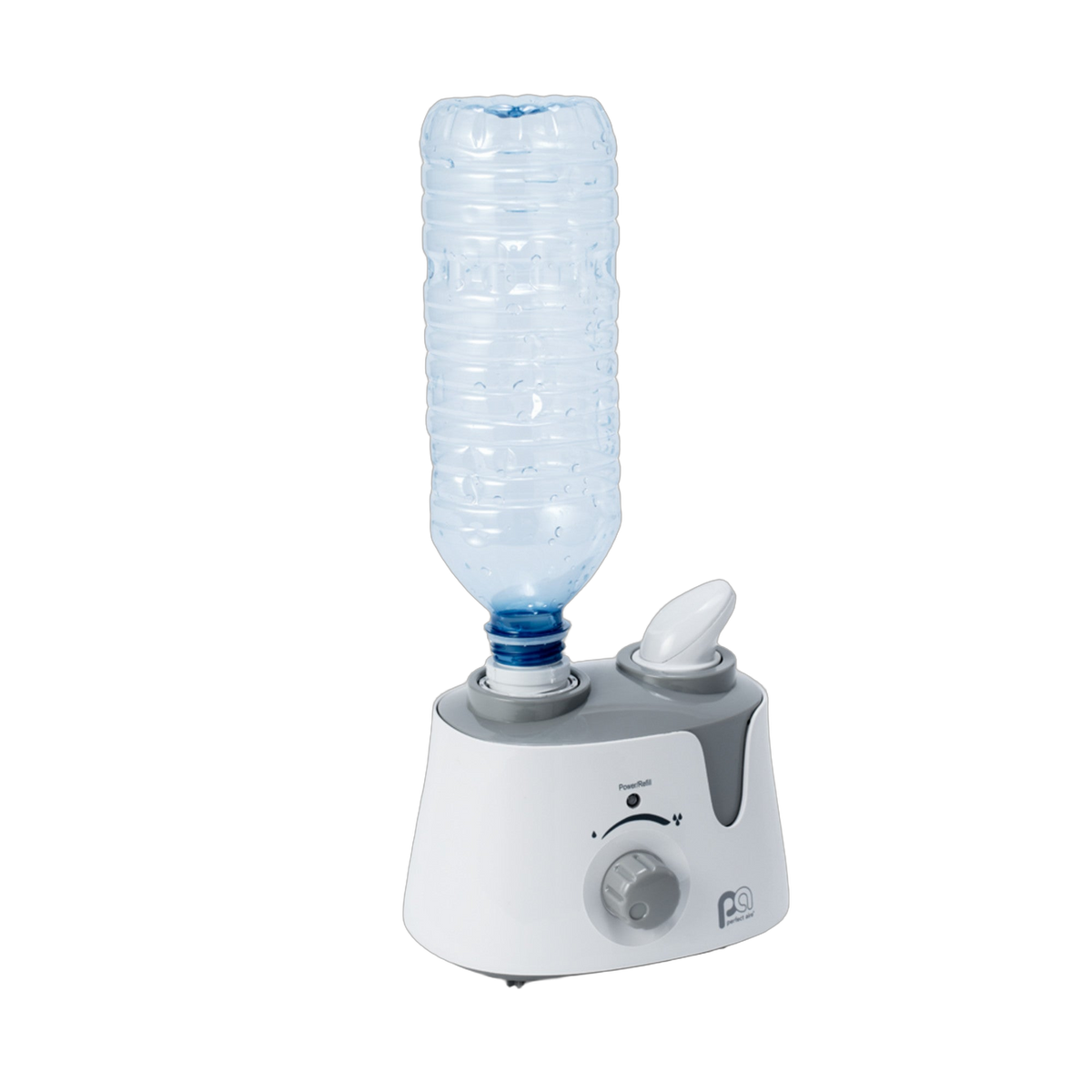
- Add a humidifier as heating runs consistently. Once the heating system is running regularly, monitor indoor humidity and add a humidifier when levels drop below 30% to 35%. A humidifier running alongside the heating system keeps the air in the comfortable 30% to 50% range and addresses the dry skin, static, and irritated airways that come with heating season.
- Keep an eye on moisture-prone spaces. Basements, bathrooms, and rooms with condensation on windows may still need a dehumidifier in early fall before humidity levels drop. Check with a hygrometer rather than guessing. If humidity is above 50% in these spaces, a dehumidifier is still the right call.
- Vacuum and dust more frequently. Sealed homes accumulate surface dust faster than ventilated ones. More frequent vacuuming and dusting reduces the particle load that recirculates when the heating system runs. A vacuum with a HEPA filter keeps captured particles from being exhausted back into the room.

What to Use Based on What You're Noticing
| What You're Noticing | Likely Cause | Best Solution |
|---|---|---|
| Stuffy or stale air | Reduced ventilation, accumulating pollutants | Air purifier with HEPA filter |
| Increased allergy or asthma symptoms | Dust, pet dander, mold spores recirculating | Air purifier with HEPA filter |
| Musty smell in basement or bathroom | Mold spores, excess moisture | Dehumidifier, air purifier |
| Dry skin, static, chapped lips | Low indoor humidity from heating system | Humidifier |
| Scratchy throat or irritated sinuses | Low humidity, airborne particulates | Humidifier, air purifier |
| First heat smell when system kicks on | Dust and debris burning off heating system | Filter replacement, air purifier |
| Condensation on windows or walls | Humidity still too high for the season | Dehumidifier |
Make Your Home Feel as Good as It Looks This Fall
Sealing up for fall doesn't have to mean settling for air that feels stale, dry, or heavy. A few practical additions to your home comfort setup make a real difference in how the indoor environment feels from the first cold night through the end of heating season.
Browse our full selection of air purifiers, humidifiers, and dehumidifiers to find the right fit for what your home is telling you.