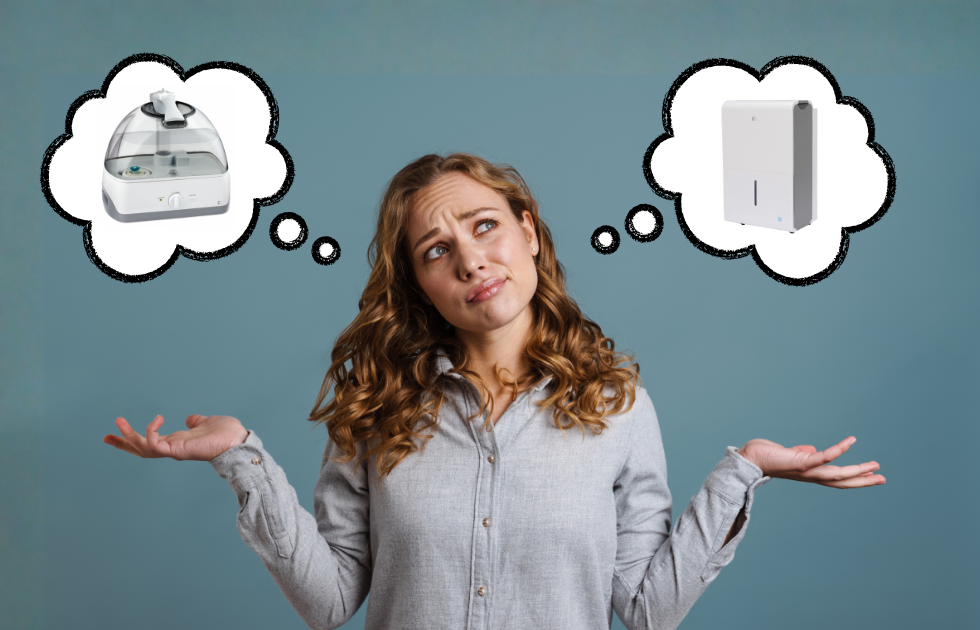
Summer humidity is easy to diagnose. The air feels heavy, the AC runs constantly, and the answer is almost always a dehumidifier.
Fall is less straightforward.
As heating season begins, some homes dry out quickly and need moisture added back. Others hold onto summer humidity longer than expected and still need moisture removed. A few manage to need both depending on which part of the house you're standing in. And most homeowners, reasonably enough, have no idea which category they're in until something starts feeling off.
The good news is the signs are readable once you know what to look for. Here's how to figure out which direction your home is heading this fall and what to do about it.

Quick Answer: Do You Need a Humidifier or Dehumidifier in Fall?
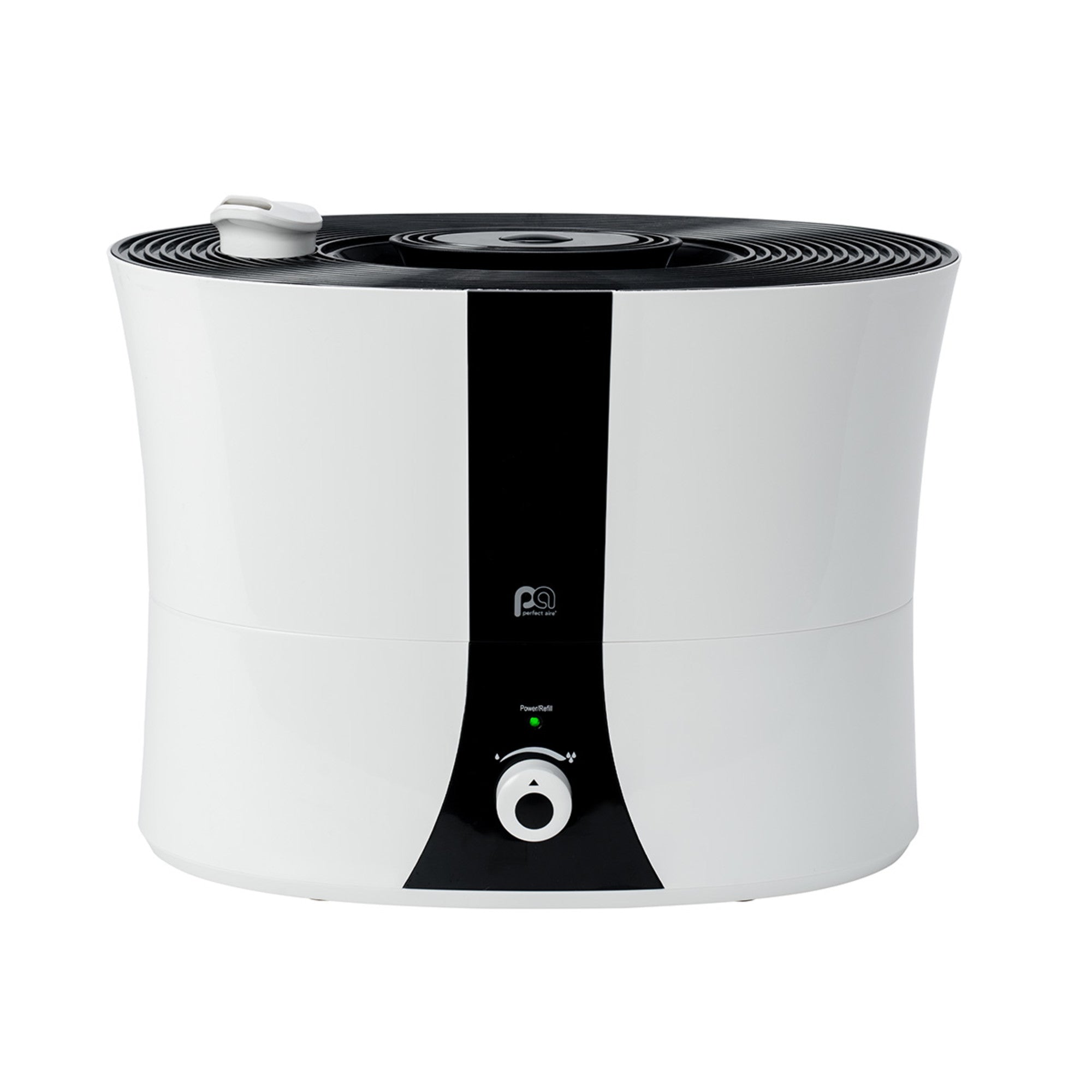
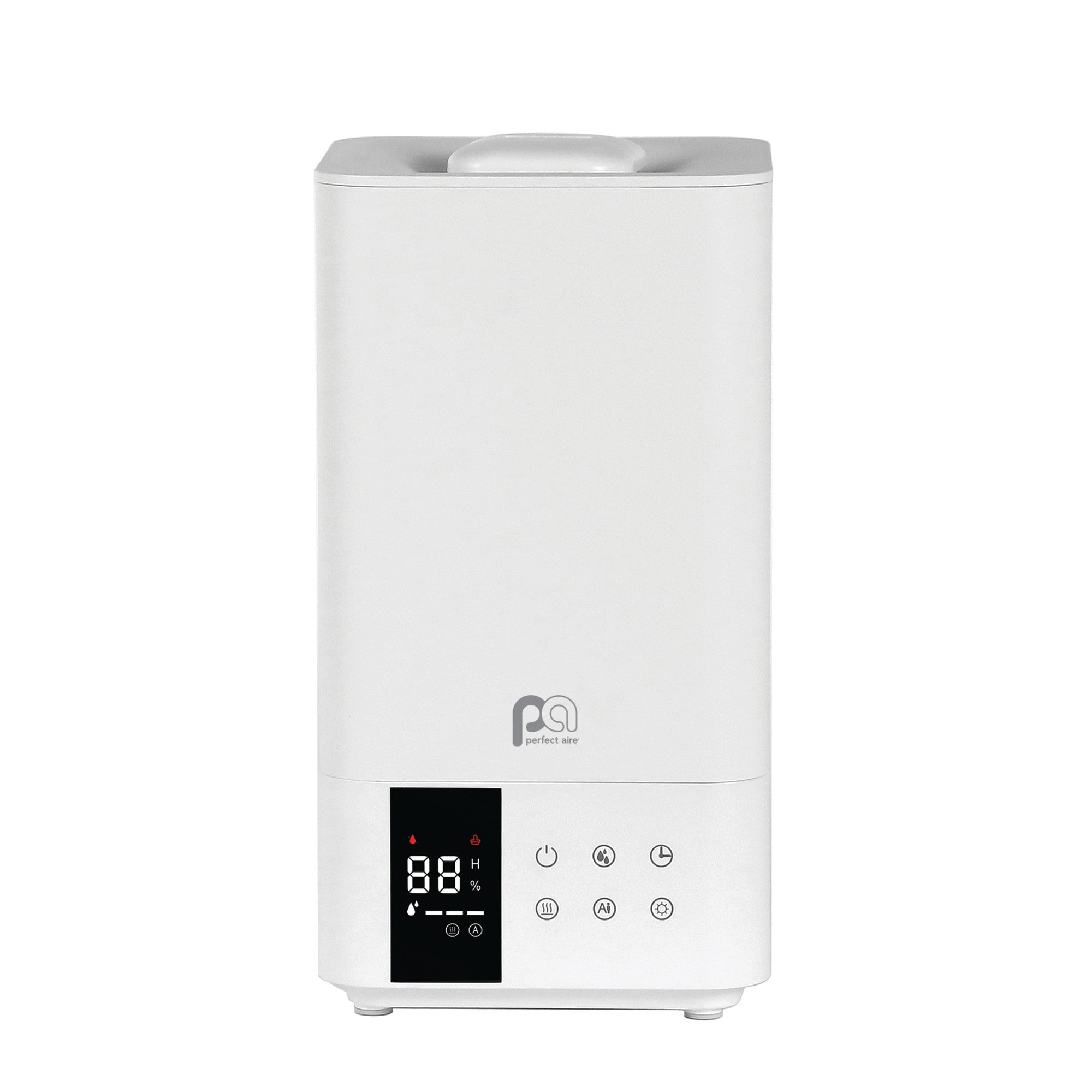
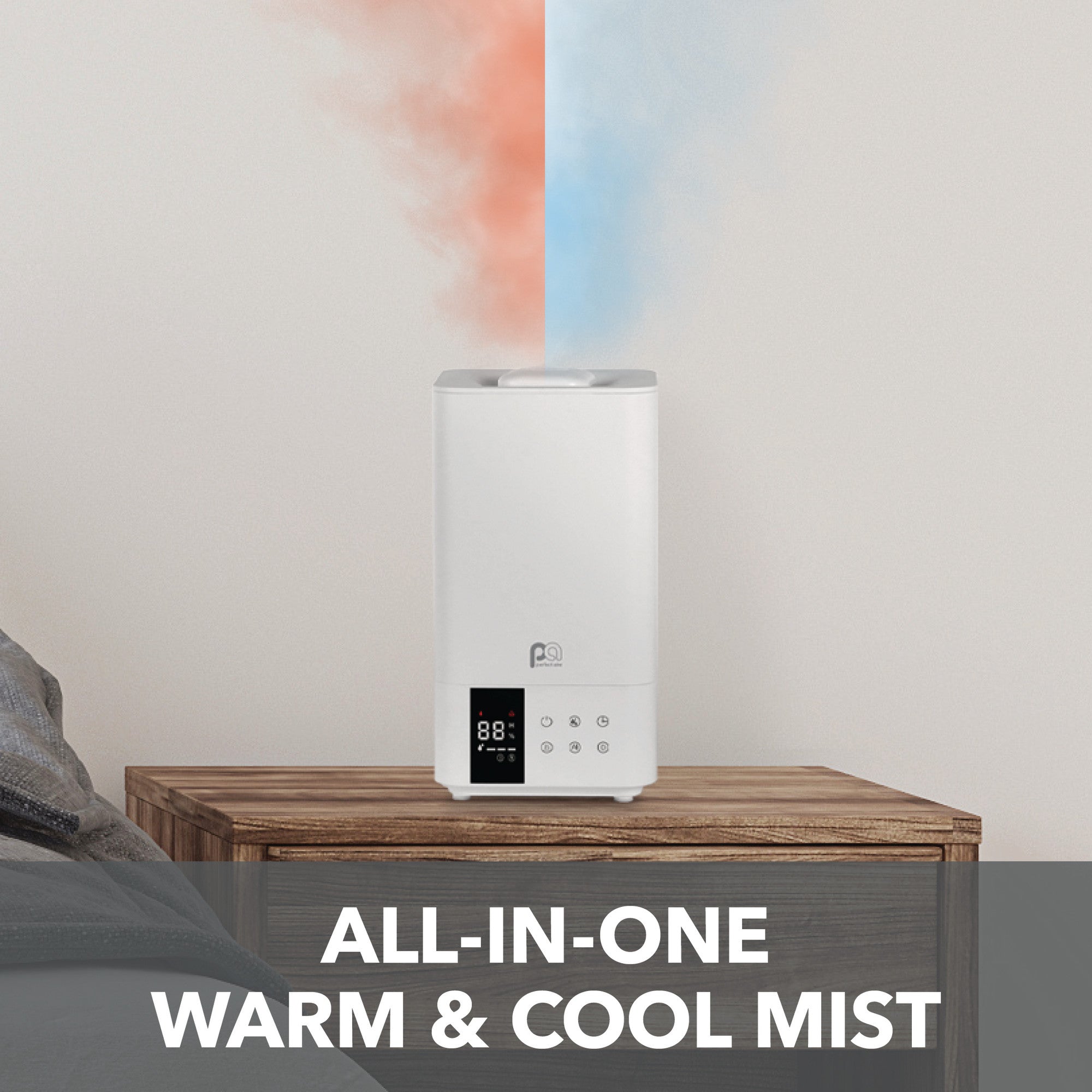
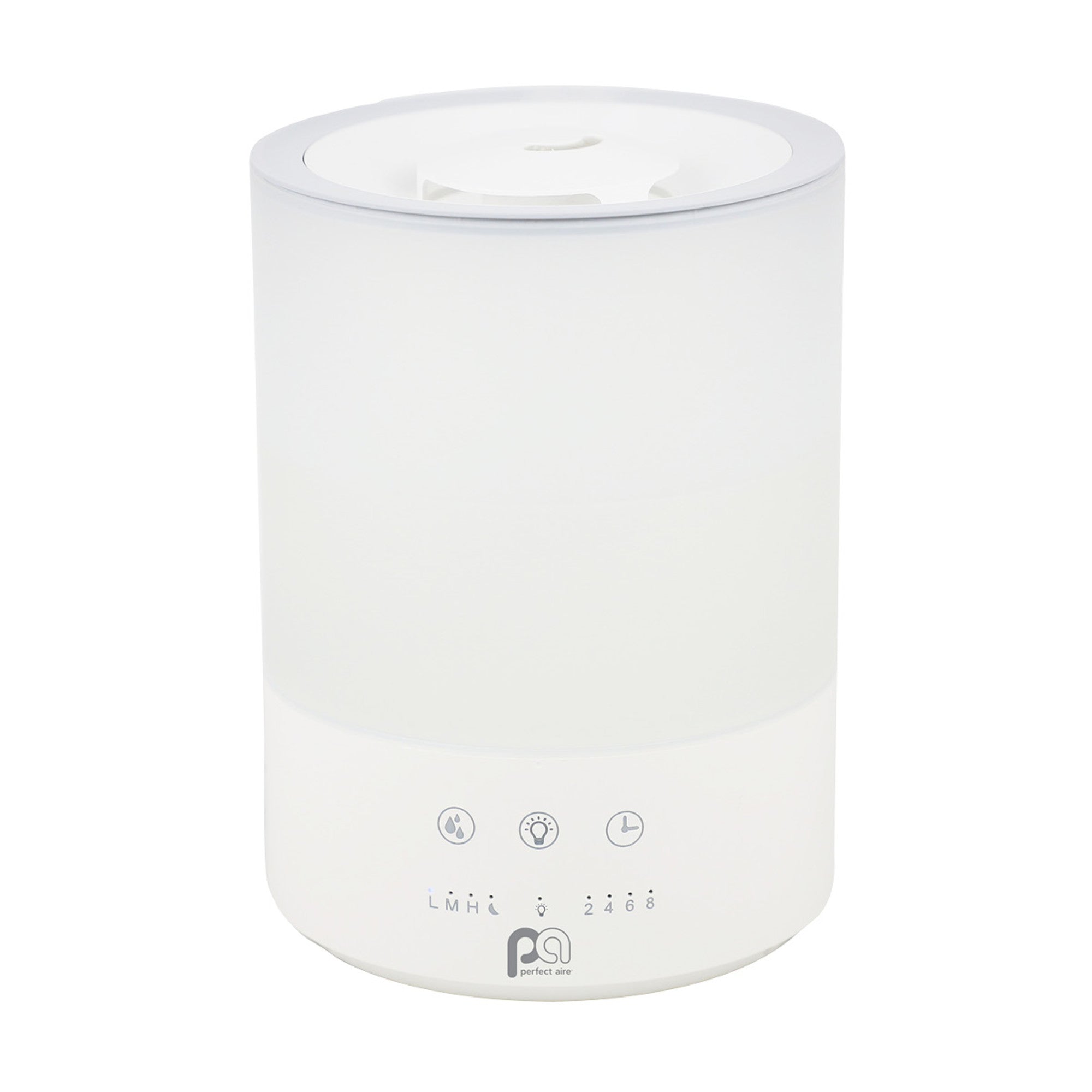
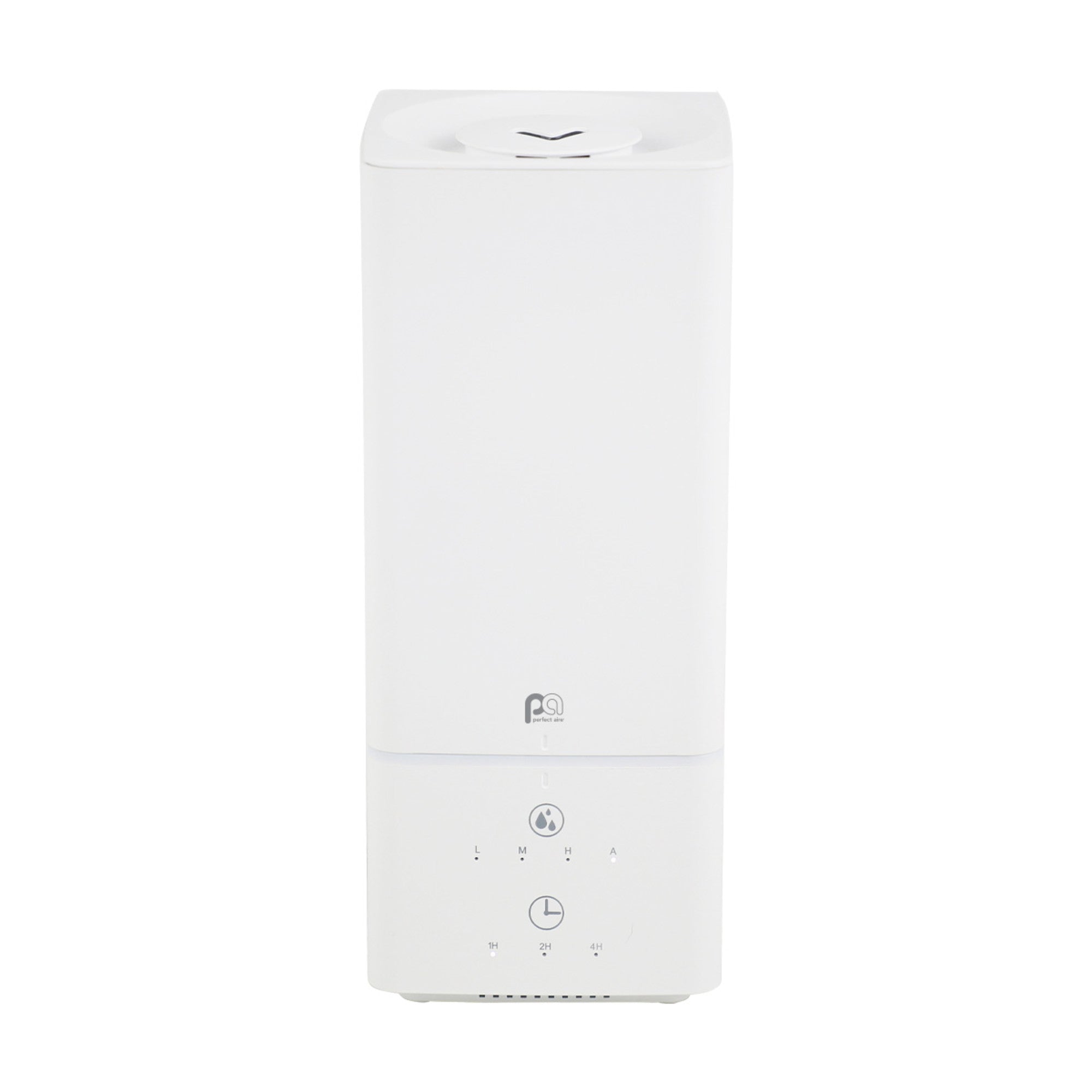
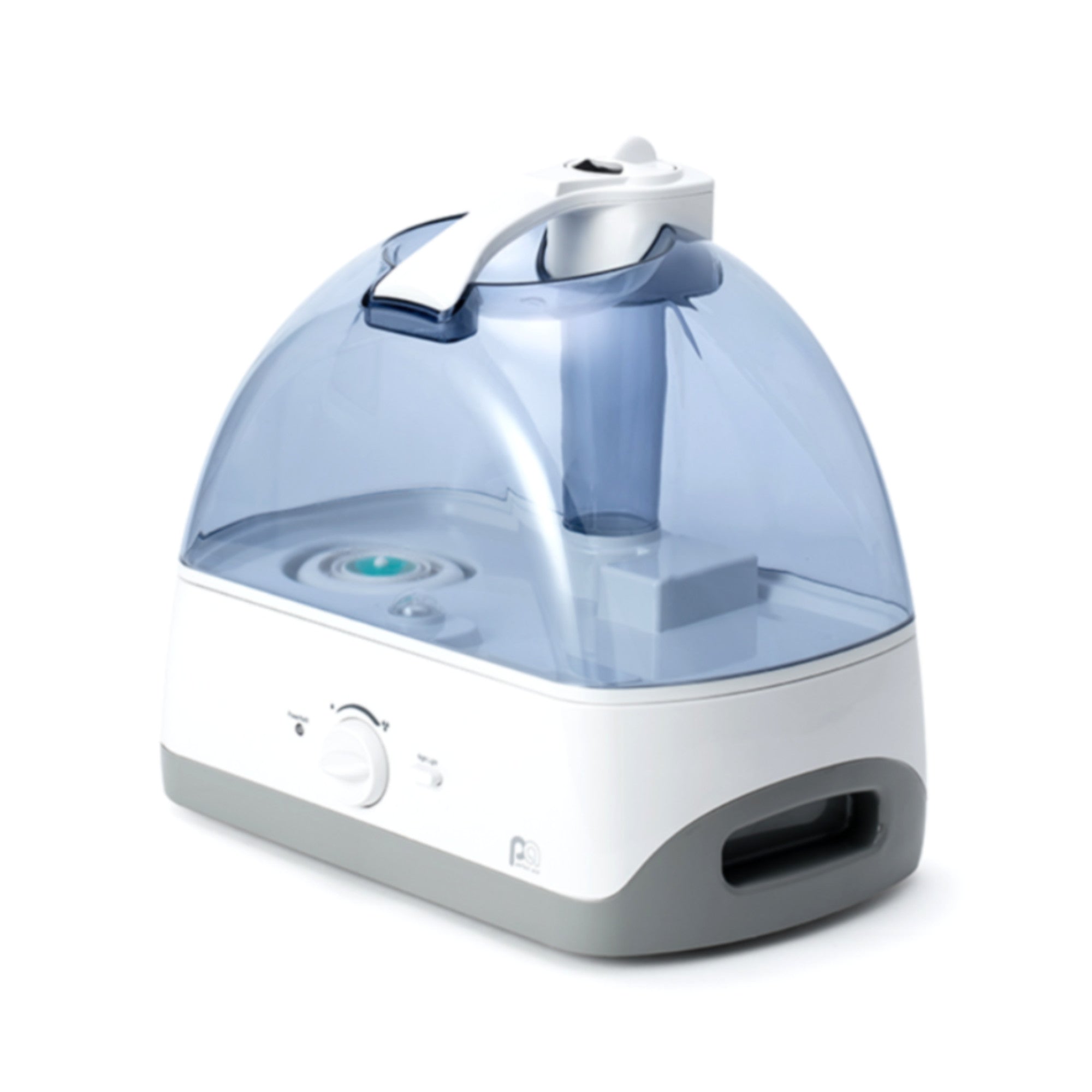
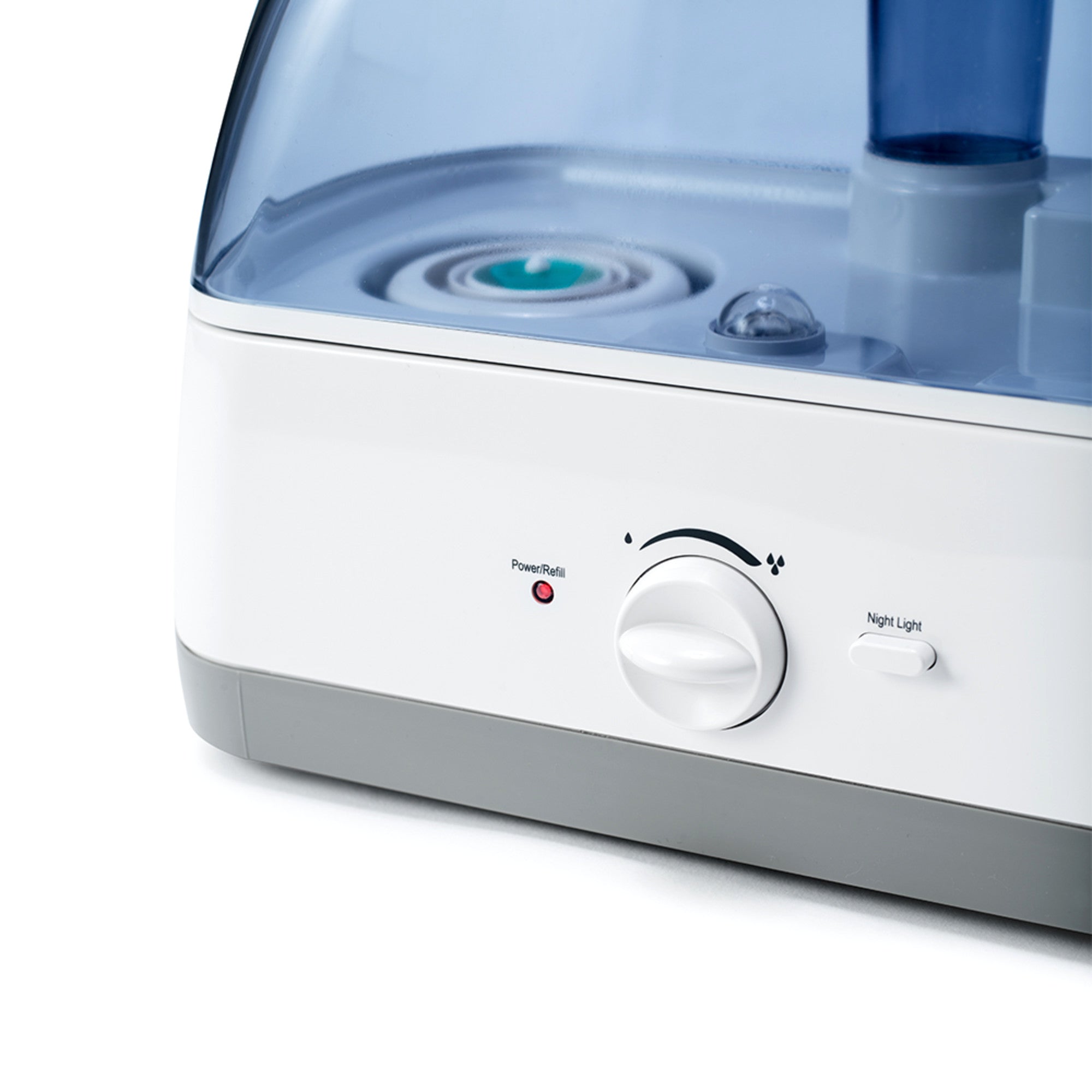
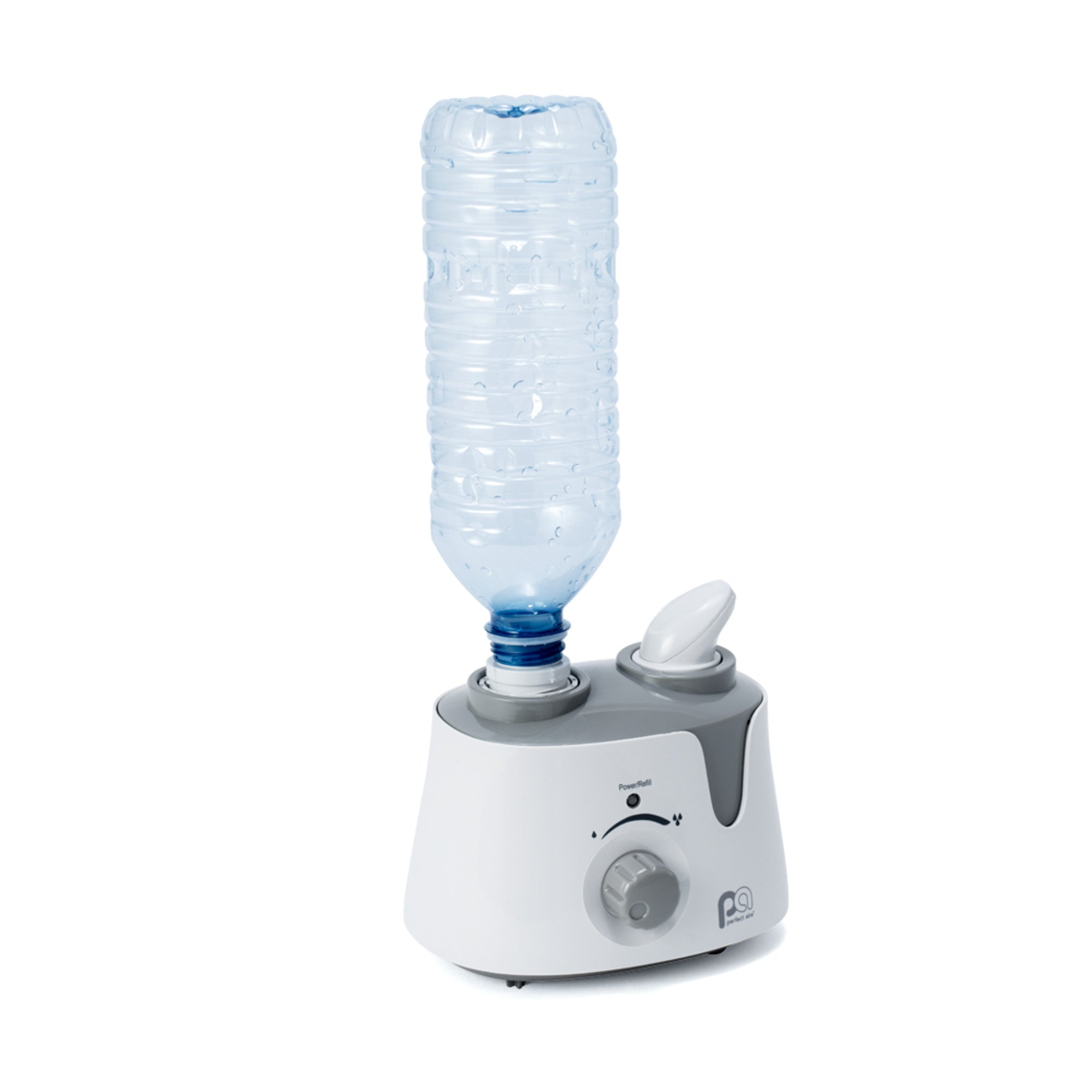
Most homes need a humidifier in fall. As heating systems run continuously, they warm the air without adding moisture, which drops indoor relative humidity below the comfortable range of 30% to 50%. A humidifier adds moisture back and keeps the indoor environment comfortable through heating season. Some homes, particularly those with basement moisture issues or older construction that holds summer humidity, may still need a dehumidifier in early fall before heating drives humidity down. A hygrometer tells you which direction your home is actually going so you're not guessing.
What Changes About Indoor Humidity in Fall
Indoor humidity doesn't follow a single script in fall. It follows two, depending on which part of the home you're in and how the season is progressing.
-
Above grade, humidity tends to drop.
As outdoor temperatures fall and heating systems kick on, the air inside the main living areas of most homes gets drier. Heating systems warm the air without adding moisture, which reduces relative humidity even when the absolute amount of water vapor in the air stays the same. The warmer the air gets, the lower the relative humidity reads. By the time heating is running consistently, most above-grade living spaces are trending toward the dry end of the comfortable range.
-
Below grade, humidity can linger.
Basements and crawl spaces hold onto summer moisture longer than the rest of the house. Concrete absorbs and releases moisture slowly, and below-grade spaces are less affected by the drying effect of the heating system above. A basement that ran at 65% relative humidity in August may still be reading above 55% in October while the first floor is already feeling dry. These two conditions can exist in the same home at the same time.
-
The transition window matters.
The period between when outdoor temperatures start dropping and when the heating system is running consistently is when humidity is hardest to predict. Cool nights drive moisture indoors. Warm afternoons open windows back up briefly. The heating system runs some days and not others. During this window, a hygrometer is the most useful tool in the house. It tells you what the air is actually doing rather than what you'd expect it to be doing based on the calendar.
Signs Your Home Needs a Humidifier This Fall
These are the signals that heating season is pulling moisture out of your indoor air faster than it's being replaced:
- Dry skin and chapped lips that arrived with the heating season. If your skin felt fine in September and started feeling dry in October, the heating system is the likely cause. Low indoor humidity accelerates moisture loss from skin and lips in the same way cold outdoor air does, without the wind chill.
- Static electricity that wasn't there in summer. Socks on carpet generating sparks, clothes clinging, hair standing up. Static electricity builds in dry air. When it starts showing up consistently indoors, humidity has dropped below the comfortable range.
- Wood floors creaking more than usual. Wood expands and contracts with humidity. As indoor air dries out in fall, wood floors, door frames, and furniture joints shrink slightly. Floors that were quiet in summer start creaking. Doors that fit perfectly in September stick or gap in November.
- Houseplants drying out faster than normal. Plants lose moisture through their leaves at a rate that depends partly on the humidity of the surrounding air. If your watering schedule hasn't changed but plants are drying out faster, the air around them has gotten drier.
- Persistent dry throat or scratchy sinuses. The mucous membranes in the nose and throat rely on ambient moisture to function properly. Consistently dry indoor air irritates them over time. If symptoms improve when you leave the house or go away on weekends, indoor humidity is likely the cause.
- Humidity reading below 30%. A hygrometer removes all the guesswork. Below 30% relative humidity in the main living areas is a clear signal that a humidifier belongs in the equation.
Signs Your Home Still Needs a Dehumidifier in Fall
Not every home dries out quickly when heating season starts. These are the signals that summer moisture is still hanging around:
- The basement still smells musty. A musty smell in fall means mold or mildew is still active, which means moisture is still elevated enough to support it. The heating system above may be drying out the first floor while the basement stays damp enough to be a problem.
- Condensation appears on basement windows or walls. Visible moisture on below-grade surfaces in fall means the space is still holding more humidity than the surfaces around it can stay dry against. That's a dehumidifier situation until the reading drops into the comfortable range.
- Humidity reads above 50% in basement or lower level spaces. The comfortable range is 30% to 50%. A basement reading above 50% in October still needs active moisture removal regardless of what the first floor is doing.
- Stored items in the basement feel damp or smell off. Cardboard boxes that feel soft, fabric items that smell musty, or paper goods showing waviness are signs of sustained elevated humidity in the space. Fall is not too late to address it.
- The first floor feels comfortable but the lower level still feels heavy. Two floors of the same house can genuinely need different solutions in fall. If the main living areas feel fine but the basement feels clammy, the basement humidity hasn't followed the rest of the house down yet.
What's the Right Indoor Humidity Level for Fall?
The target range for most homes in fall and winter is between 30% and 50% relative humidity. Within that range, air feels comfortable, wood and building materials stay stable, and conditions don't favor mold growth or dust mite activity.
A few nuances worth knowing:
- 30% to 40% is a reasonable target for the main living areas once heating is running consistently. Below 30% and the dry air symptoms start showing up. Above 40% in a well-heated space is fine and actually preferable for comfort during cold weather.
- 40% to 50% is comfortable for most people and gives a buffer against the drying effect of sustained heating. If your home naturally sits in this range without a humidifier running, you're in good shape.
- Above 50% in above-grade living spaces during fall heating season is worth investigating. The heating system should be pulling humidity down in these areas. If it isn't, there may be a moisture source contributing that's worth identifying.
- Basements follow different rules. A basement reading of 50% to 55% in early fall is not unusual and may resolve on its own as heating season progresses. Above 55% consistently warrants a dehumidifier regardless of the season.
A hygrometer is a small, inexpensive investment that removes all the guesswork from this process. Check main living areas and basement separately since they often tell different stories in fall.
Humidifier or Dehumidifier: What to Use Based on What You're Noticing
| What You're Noticing | Where in the Home | Best Solution |
|---|---|---|
| Dry skin, static, chapped lips | Main living areas | Humidifier |
| Creaking floors, sticking doors | Throughout the home | Humidifier |
| Scratchy throat, irritated sinuses | Main living areas | Humidifier |
| Humidity reading below 30% | Main living areas | Humidifier |
| Musty smell persisting into fall | Basement or lower level | Dehumidifier |
| Condensation on basement windows or walls | Basement | Dehumidifier |
| Humidity reading above 50% | Basement or lower level | Dehumidifier |
| Stored items feel damp or smell off | Basement | Dehumidifier |
| First floor comfortable, basement feels heavy | Split level situation | Dehumidifier for basement |
| Humidity between 30% and 50% | Throughout the home | Monitor, no action needed |
Can You Need Both a Humidifier and a Dehumidifier at the Same Time?
Yes. And in fall it's more common than most people expect.
A home with a dry first floor and a damp basement is not a contradiction. It's two different moisture situations happening in two different parts of the same building, driven by two different sets of conditions. The heating system dries out the air above grade while the basement holds onto summer moisture below grade. Both conditions are real. Both need addressing.
The practical solution is straightforward. Run a dehumidifier in the basement until humidity drops into the comfortable range. Run a humidifier in the main living areas once heating drives humidity below 30%. Monitor both with a hygrometer and adjust as the season progresses.
The one thing to avoid is assuming that one product handles both problems. A humidifier in the living room does nothing for a damp basement. A dehumidifier in the basement doesn't address dry air on the first floor. They solve different problems in different parts of the home and work best when each is matched to the space that actually needs it.
Get Your Home's Humidity Right Before Winter Arrives
The comfortable range is 30% to 50%. Everything outside of it has a solution. The key is knowing which direction your home is going before the season gets away from you.
If the air is getting dry, a humidifier keeps your main living areas comfortable through heating season. If the basement is still holding moisture, a dehumidifier gets it back into range before winter seals everything up for good.
Not sure where your home stands? A hygrometer is a small investment that answers the question directly. Check the main living areas and the basement separately and let the numbers tell you what the air is actually doing.