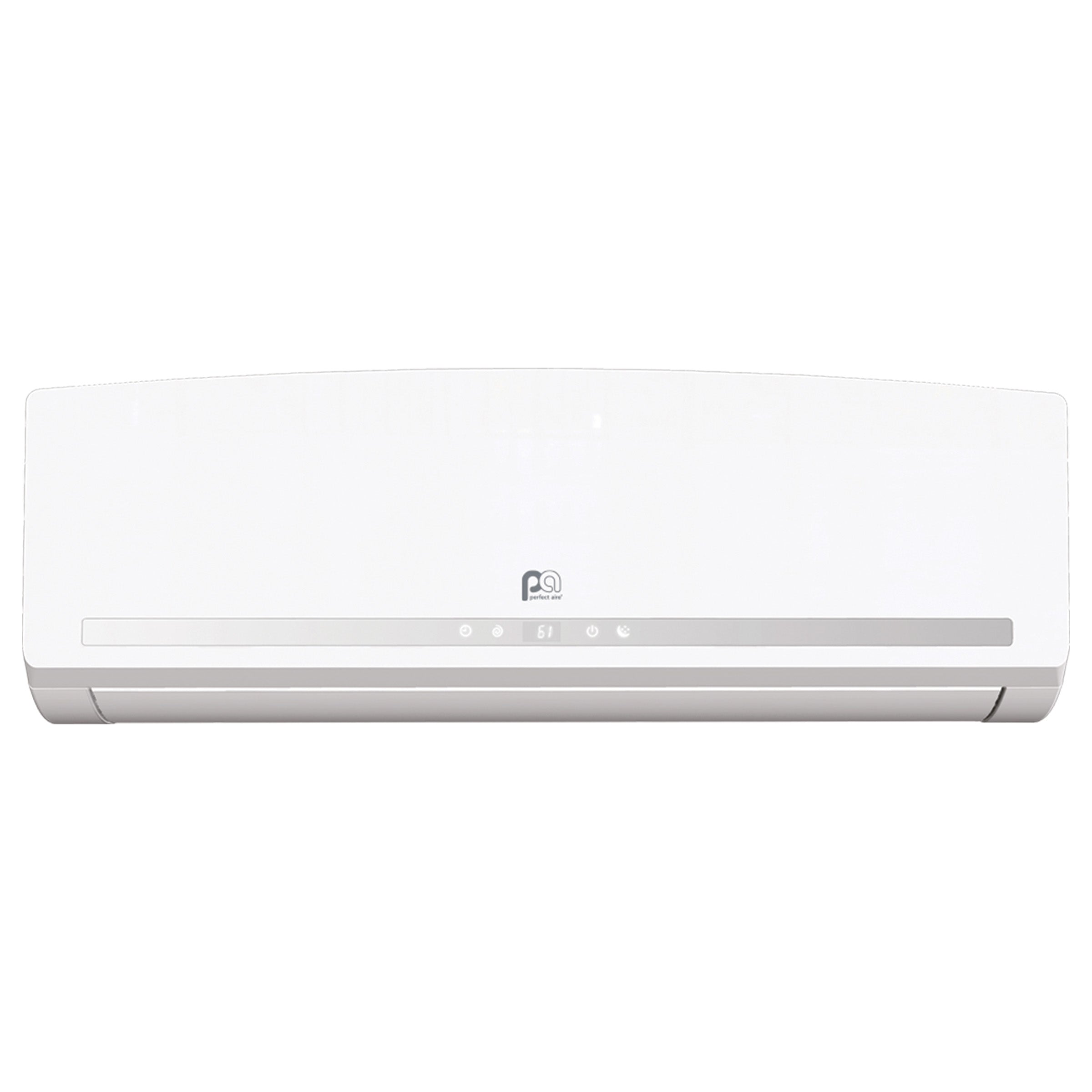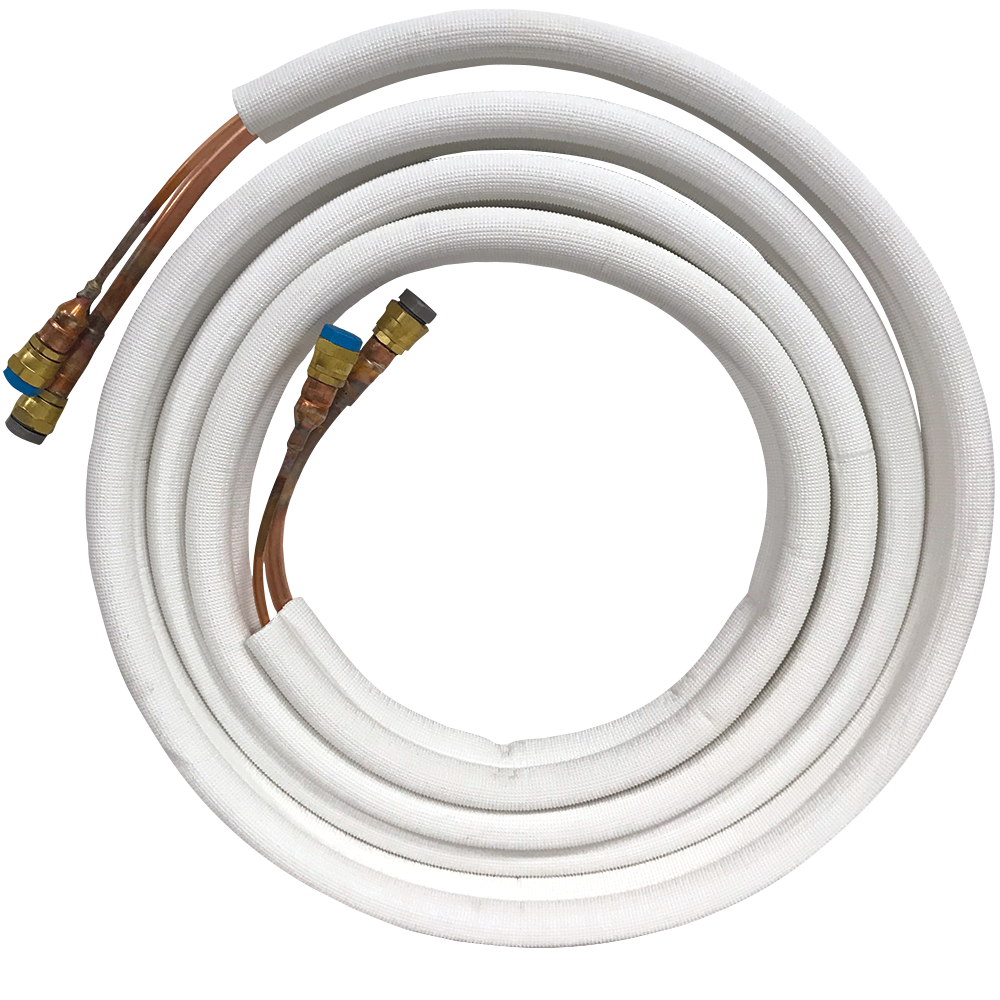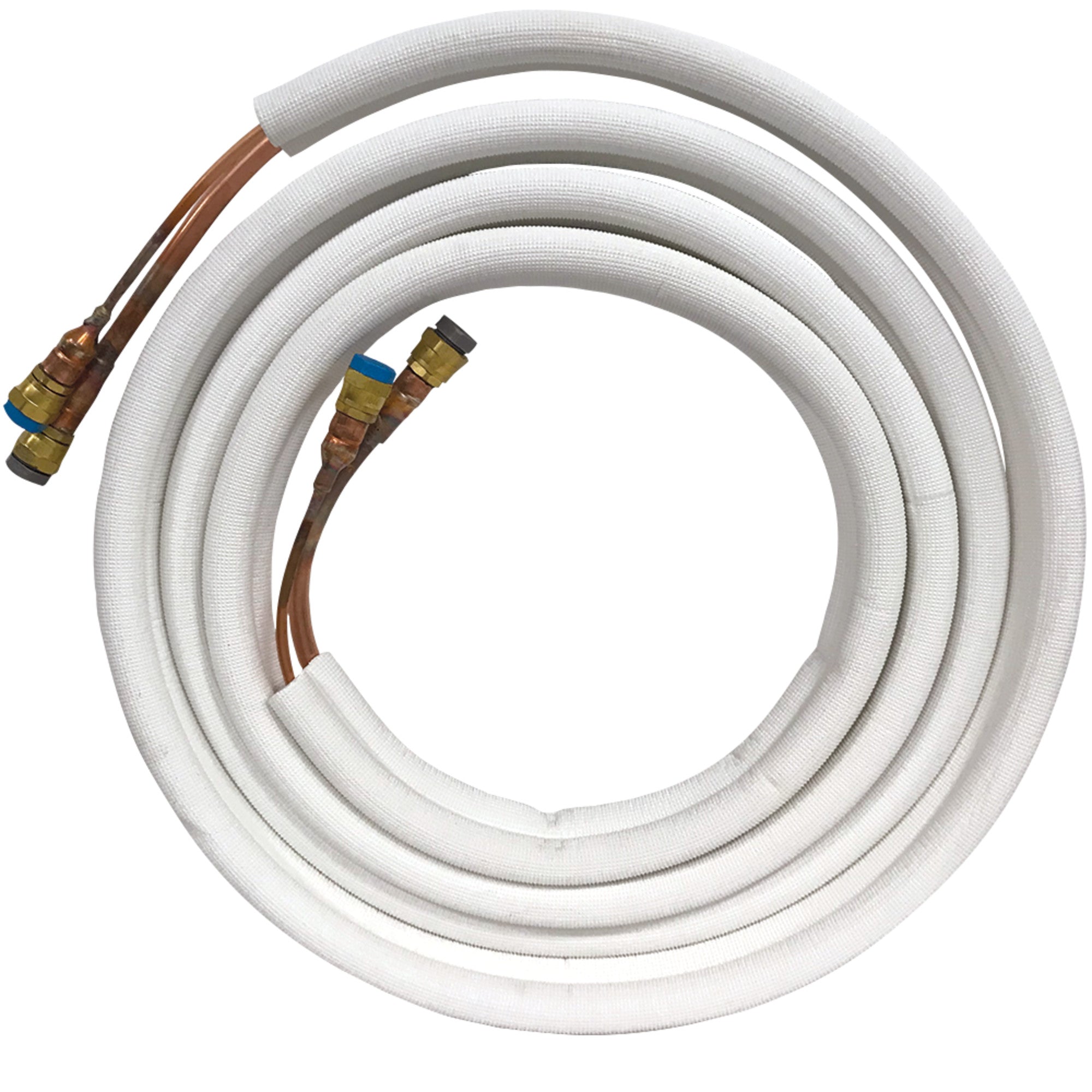

The mini-split went in last spring for cooling. It did its job all summer. Now it's October, the mornings are cold, and the question is whether the same unit that kept the room comfortable in July can do anything useful in January.
The short answer is yes. The longer answer is worth understanding before the heating season gets here.
Mini-splits are heat pumps, which means heating is not a secondary feature or a backup mode. It's half of what the system was designed to do. For most rooms in most climates, a properly sized mini-split handles heating as effectively as it handles cooling, often more efficiently than the alternatives it's replacing.
Here's what you need to know before you put it to the test.

Quick Answer: Can a Mini-Split Heat a Room?
Yes. Most mini-split systems are heat pumps designed to both cool and heat. In heating mode they extract heat from outdoor air and move it inside, warming the space efficiently without electric resistance heating. Modern mini-splits operate effectively in outdoor temperatures well below freezing, and most include a backup electric heat assist for extreme cold. For a single room or defined space, a properly sized mini-split is one of the most efficient heating options available.
How Mini-Split Heating Actually Works
A mini-split heats a room the same way it cools one, by moving heat rather than generating it.
In cooling mode the system pulls heat out of the indoor air and dumps it outside. In heating mode it reverses that process, extracting heat from outdoor air and moving it inside. This happens through the refrigerant cycle, the same technology that makes your refrigerator cold by moving heat from inside the cabinet to the coils on the back.
The reason this matters is efficiency. Generating heat from scratch, the way a space heater or electric baseboard does, requires converting electrical energy directly into heat on a one-to-one basis. Moving heat is fundamentally different. A heat pump moves more thermal energy than the electrical energy it consumes to do the moving. In practical terms that means a mini-split running in heating mode delivers significantly more heat per unit of electricity than a space heater or baseboard heater running on the same circuit.
That efficiency advantage is measured by a rating called the Coefficient of Performance, or COP. A COP of 3 means the system delivers three units of heat for every one unit of electricity consumed. Most modern mini-split heat pumps operate at a COP well above 1 in moderate conditions, which is the baseline that electric resistance heating never exceeds.
One common question: does it still work when it's cold outside? Yes. Heat pumps extract heat from outdoor air even when that air feels cold to you. There is heat energy in outdoor air at 20 degrees Fahrenheit. Modern mini-splits are engineered to find it and move it inside.
How Well Do Mini-Splits Heat in Cold Weather?
This is the question most people are actually asking when they wonder whether a mini-split can handle winter. The honest answer is: better than most people expect, with a few things worth understanding.
Modern mini-splits are rated for low ambient heating.
Most current mini-split systems are designed to operate in heating mode down to around 5 degrees Fahrenheit or lower. Some cold-climate models are rated for operation below negative 13 degrees Fahrenheit. For the vast majority of the country and the vast majority of winter conditions, a properly sized mini-split maintains effective heating performance without supplemental heat.
Efficiency decreases as outdoor temperature drops.
A heat pump is most efficient when the temperature difference between indoors and outdoors is moderate. As outdoor temperatures fall, the system works harder to extract heat from the air and efficiency decreases. The system still heats the space, it just does so at a lower COP than it would on a mild day. This is normal heat pump behavior and not a sign of a problem.
Sizing matters more in cold climates.
A unit sized purely for cooling load may fall short on the coldest days of the year. If your climate sees sustained cold winters, factor heating demand into sizing rather than sizing purely for the room's square footage in summer conditions.
Mini-Split Heating vs Space Heaters and Baseboard Heat
For most people considering a mini-split for heating, the alternative they're replacing is a space heater, baseboard heat, or both. Here's how they compare on the things that actually matter.
Efficiency
Space heaters and baseboard heaters use electric resistance heating, which converts electricity to heat at a one-to-one ratio. A mini-split heat pump delivers multiple units of heat per unit of electricity in moderate conditions. Over a full heating season in a room used regularly, that efficiency gap translates into a meaningful difference in operating cost.
Comfort and consistency
A space heater warms the area immediately around it. A mini-split conditions the entire room and maintains a set temperature consistently. Baseboard heat is slow to respond and difficult to control precisely. A mini-split reaches the set temperature quickly and holds it without the on-and-off cycling that makes baseboard heat feel uneven.
Safety
Space heaters are a leading cause of home fires, particularly when left unattended or used near combustible materials. A wall-mounted mini-split has no exposed heating elements, no open coils, and no fire risk associated with placement or proximity to furniture and fabrics.
Cooling in summer
A space heater or baseboard heater does one thing - heat. A mini-split does both. For a room that needs comfort year-round, replacing a space heater and a window unit with a single mini-split simplifies the setup and eliminates the seasonal equipment swap.
Upfront cost vs operating cost
A mini-split costs more upfront than a space heater. It costs less to operate over time, particularly in a room used consistently through the heating season. For a guest room used two weeks a year, a space heater may be the more practical choice. For a room used daily, the operating cost difference makes the mini-split the better long-term investment.

What Size Mini-Split Do You Need for Heating a Room?
Sizing a mini-split for heating follows the same BTU logic as sizing for cooling, with a few adjustments for heating-specific factors.
Start with the room's square footage and match it to the BTU ranges below. Then adjust for the conditions that affect heating load specifically.
| Room Size | Recommended Mini-Split Size |
|---|---|
| Up to 375 sq ft | 9,000 BTU |
| Up to 500 sq ft | 12,000 BTU |
| Up to 750 sq ft | 18,000 BTU |
| Up to 1,000 sq ft | 24,000 BTU |
| Up to 1,500 sq ft | 36,000 BTU |
Adjustments worth making for heating:
- Poor insulation or older construction: Size up. A room that loses heat quickly through walls, windows, or a poorly insulated ceiling demands more from the heating system than a well-sealed modern space of the same square footage.
- Large windows or exterior walls: Rooms with significant glass area or multiple exterior walls lose heat faster than interior rooms. Size up from the baseline.
- Very cold climates: If your area sees sustained temperatures below 20 degrees Fahrenheit regularly, factor that into sizing rather than assuming the baseline covers your coldest days.
- High ceilings: Heat rises. Rooms with ceilings above 8 feet need more capacity to maintain comfortable temperatures at floor level. Increase capacity by around 20% for high-ceiling spaces.
When in doubt, size up rather than down. An undersized unit running at maximum capacity on the coldest days of the year is less efficient and less comfortable than a properly sized unit running at moderate output.
Rooms Where Mini-Split Heating Works Best
Not every room has the same heating story. These are the spaces where a mini-split tends to make the most difference.
- Rooms the central system doesn't reach well. The bedroom at the end of the hall. The bonus room above the garage. The home addition that was tacked onto an existing duct system that wasn't designed for it. These are the rooms that run cold in winter for the same reasons they run warm in summer. A mini-split solves the problem permanently rather than patching it with a space heater every year.
- Sunrooms and three-season rooms. A sunroom that's comfortable in spring and fall but unusable in winter is a candidate for a mini-split. The same glass that makes it bright and warm on a sunny day works against it on a cold cloudy one. A properly sized mini-split extends the usable season significantly without requiring a full HVAC buildout.
- Basement living spaces. Finished basements that function as rec rooms, home theaters, or hobby spaces often sit below the reach of the central system or at the bottom of a duct run that doesn't deliver enough heat. A mini-split conditions the space independently and handles the slightly higher humidity that basements tend to carry year-round.
- Garages converted to living or working spaces. A converted garage with no existing HVAC connection is exactly the use case a mini-split was designed for. No ductwork, no major construction, a small wall opening, and a day of installation. Comfortable year-round from that point forward.
- Guest rooms used seasonally. A guest room that sits empty most of the year but needs to be comfortable for company in November and December doesn't need to heat the whole house to do it. A mini-split conditions that one room on demand without affecting the rest of the home's heating setup.

Heat the Room You're Actually In
A space heater keeps one spot warm. A baseboard heater heats slowly and stops there. A mini-split conditions the whole room, holds the temperature you set, and does it more efficiently than either alternative across a full heating season.
If there's a room in your home that never quite gets warm enough in winter, a DIY mini-split is the permanent fix that also handles next summer's cooling without adding another piece of equipment to manage.
Browse our full selection of DIY mini-split systems to find the right size for your space. Not sure what BTU rating you need? Our BTU sizing guide covers mini-split sizing in detail before you buy.