
Summer storms have a way of leaving quickly. The water they bring does not.
By late September, most property managers have already cleaned up the obvious damage. The downed branches are gone, and the flooded parking lot is a bad memory. But moisture that got into walls, ceilings, and crawlspaces in July or August is just getting started. It shows up now as stains, smells, and tenant emails with photos attached.
Multiply that by a few dozen units, and you've got a problem worth getting ahead of.
Here's a practical checklist for finding moisture, drying it out, and keeping it from turning into mold, rot, or a much bigger repair bill.
1Move Fast on Standing Water
Mold doesn't need much of an invitation. According to the EPA, wet materials should be dried within 24 to 48 hours to prevent mold growth. After that, you're no longer preventing a problem. You're managing one.
If any unit still has standing water, that's priority one. Remove it with a wet vac or pump, and start drying immediately. Before anyone steps into standing water, make sure the power to that area is off.
Action: Clear standing water first, then work through the rest of this list.
2Pull What Won't Dry
Some materials can be dried out and saved. Others just hold onto water and quietly grow mold behind the scenes.
Carpet padding, fiberglass insulation, and drywall that's been saturated for more than a couple of days usually need to go. Keeping them might save money this week, but it usually costs more later.
Action: When in doubt, cut it out. Remove wet materials that can't be fully dried within that 24 to 48 hour window.
3Measure Humidity. Don't Guess.
A room can look dry and feel fine while the air is still carrying far too much moisture. That's why you measure instead of eyeballing it.
A basic hygrometer is inexpensive and takes the guesswork out of it. The EPA recommends keeping indoor relative humidity between 30 and 50 percent. Once readings climb above 60 percent, conditions start getting comfortable for mold and dust mites.
Action: Take readings in every affected unit, especially basements and lower floors. Keep a log so you can tell whether things are improving.
4Run Dehumidifiers Sized to the Space
Once you know humidity is high, a dehumidifier is the right tool for the job. The key is sizing it correctly.
Dehumidifiers are rated by how many pints of moisture they remove per day. A small, slightly damp room needs far less capacity than a large, wet basement. For spaces that took on water, size up. An undersized unit will run constantly and never quite catch up.
Pair dehumidifiers with fans to keep air moving across wet surfaces. Keep interior doors open to help air circulate, and keep windows closed while the dehumidifier runs so it isn't trying to dry out the whole neighborhood. Empty the bucket regularly, or use a continuous drain hose so the unit doesn't shut off when it fills.
Action: Match capacity to the square footage and how wet the space is. Not sure whether you need a residential or commercial unit? Our guide to residential vs. commercial dehumidifiers breaks it down.
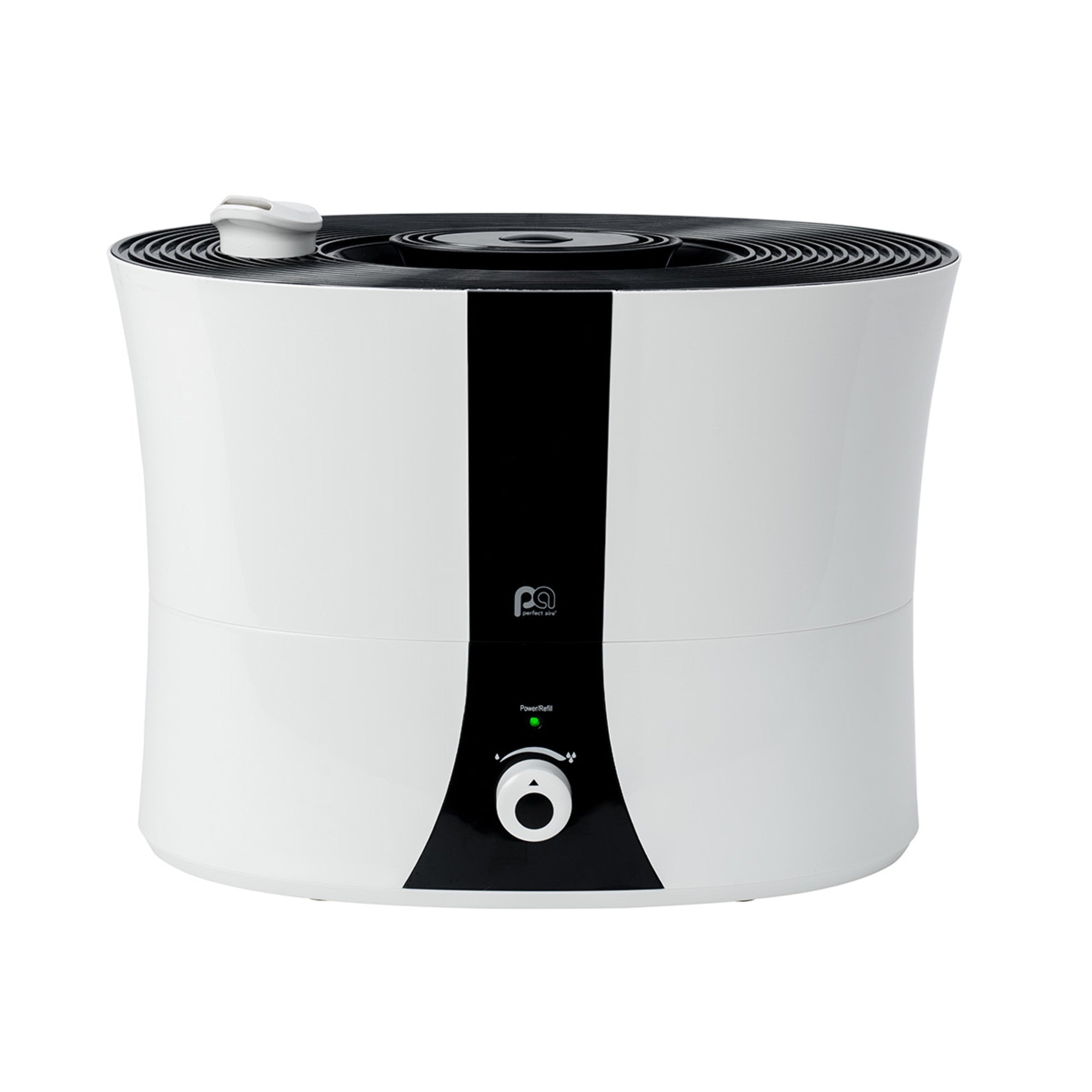
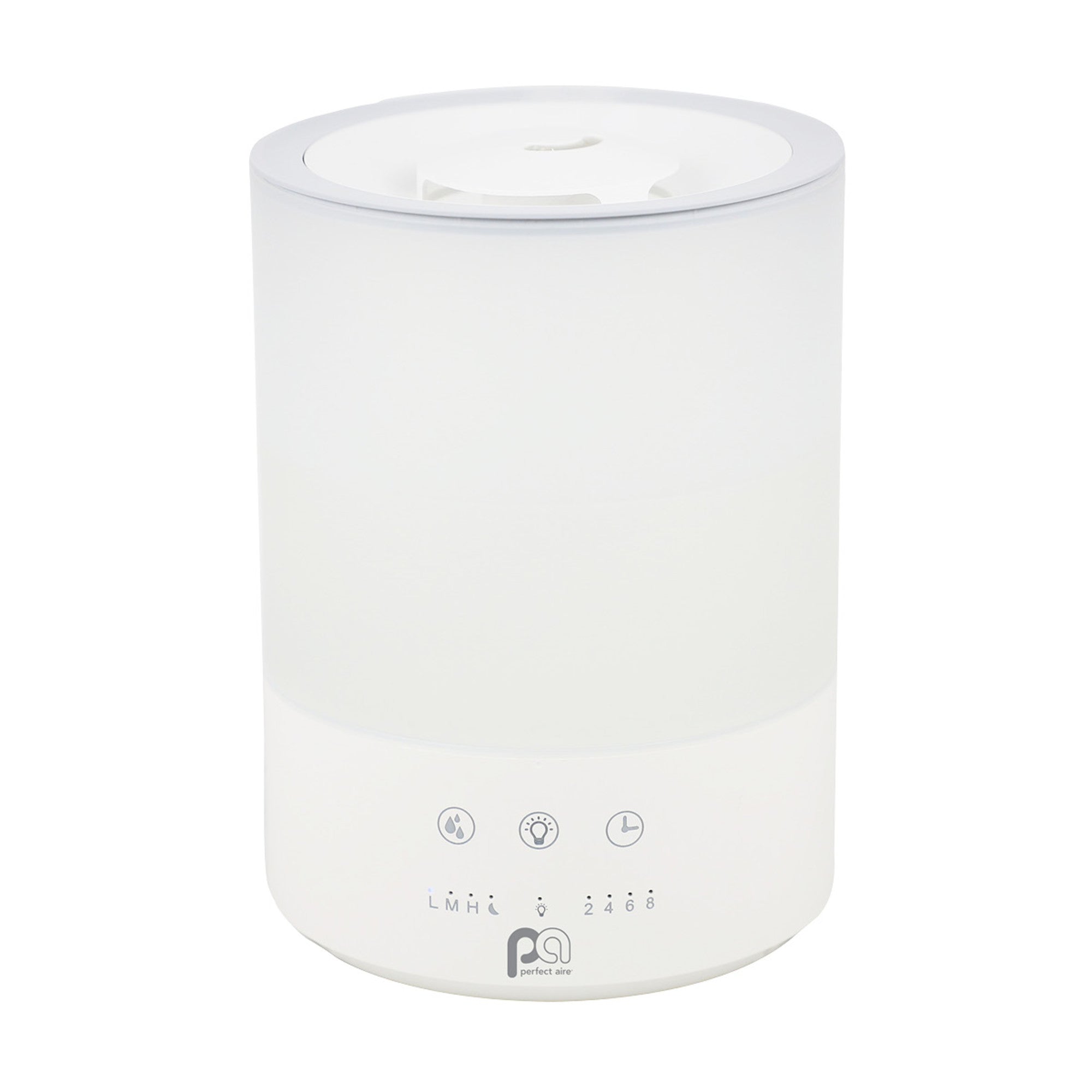
Drying out after the storm? Shop our full lineup of dehumidifiers built for basements, crawlspaces, and whole units.
5Check Ceilings and Walls
Water that comes in through the roof or around windows rarely drips politely where you can see it. It travels along framing and soaks into drywall, and it can stay hidden for weeks.
Look for brown or yellow stains, paint that's bubbling or peeling, and drywall that feels soft when you press on it. Pay close attention to ceilings on top floors and walls beneath windows.
Action: Walk every unit that saw heavy weather, not just the ones with complaints. Tenants don't always notice a faint stain, and some don't report it until it's not faint anymore.
6Get Into Basements and Crawlspaces
These are the places water loves most and people visit least. Basements and crawlspaces sit low, stay cool, and don't get much airflow, so moisture tends to settle in and stay.
Check for damp walls, puddles, wet insulation, and efflorescence, which is the white, chalky residue that shows up when water moves through concrete. In crawlspaces, look at the vapor barrier and the wood framing overhead.
Action: Bring a good flashlight and check the corners. For more on keeping below-grade spaces dry, see our guide to basement moisture control.
7Inspect Window and Door Seals
Wind-driven rain doesn't come straight down. It comes sideways, and it finds every gap in caulking, weatherstripping, and flashing.
Look for water marks on sills, swollen trim, and gaps where caulk has cracked or pulled away. Check exterior doors at the threshold, too.
Action: Note every failed seal and get it repaired before the next round of weather. A tube of caulk costs a lot less than a new window frame.
8Clear Gutters and Downspouts
Clogged gutters overflow, and overflowing gutters dump water right next to the foundation. That's exactly where you don't want it.
After a stormy summer, gutters are often packed with leaves, twigs, and roof grit. Clean them out, and make sure downspouts discharge several feet away from the building. While you're out there, check the grading. Soil should slope away from the foundation, not toward it.
Action: Clean gutters now and again after the leaves fall. Once is rarely enough in autumn.
9Test Sump Pumps
A sump pump is one of those things nobody thinks about until the moment it matters. You want to find out it's broken on a dry Tuesday, not in the middle of a downpour.
Test each pump by slowly pouring a bucket of water into the pit. The pump should kick on, drain the water, and shut off. Check that the discharge line is clear and pointed away from the building.
Action: Test every pump, and consider battery backups for units in flood-prone areas. Storms and power outages tend to show up together.
10Follow Your Nose
Your nose is one of the best moisture detectors you've got. A musty smell usually means mold or mildew is growing somewhere, even if you can't see it yet.
Don't consider the job finished after the first round of drying. Revisit affected units two to three weeks later. Sniff around closets, under sinks, and near exterior walls. Recheck humidity readings, too.
Action: Schedule follow-up checks now while the storm is still fresh in everyone's mind. Hidden moisture is patient. You should be more persistent.
The Bottom Line
Summer storms leave behind more than cleanup. They leave moisture in places you won't see until it becomes expensive. Work through this checklist unit by unit, measure instead of guessing, and dry things out fast. That's how you keep a wet summer from turning into a moldy fall.
The right equipment makes the job a lot easier. Browse our dehumidifier collection to find the right fit for every space you manage.