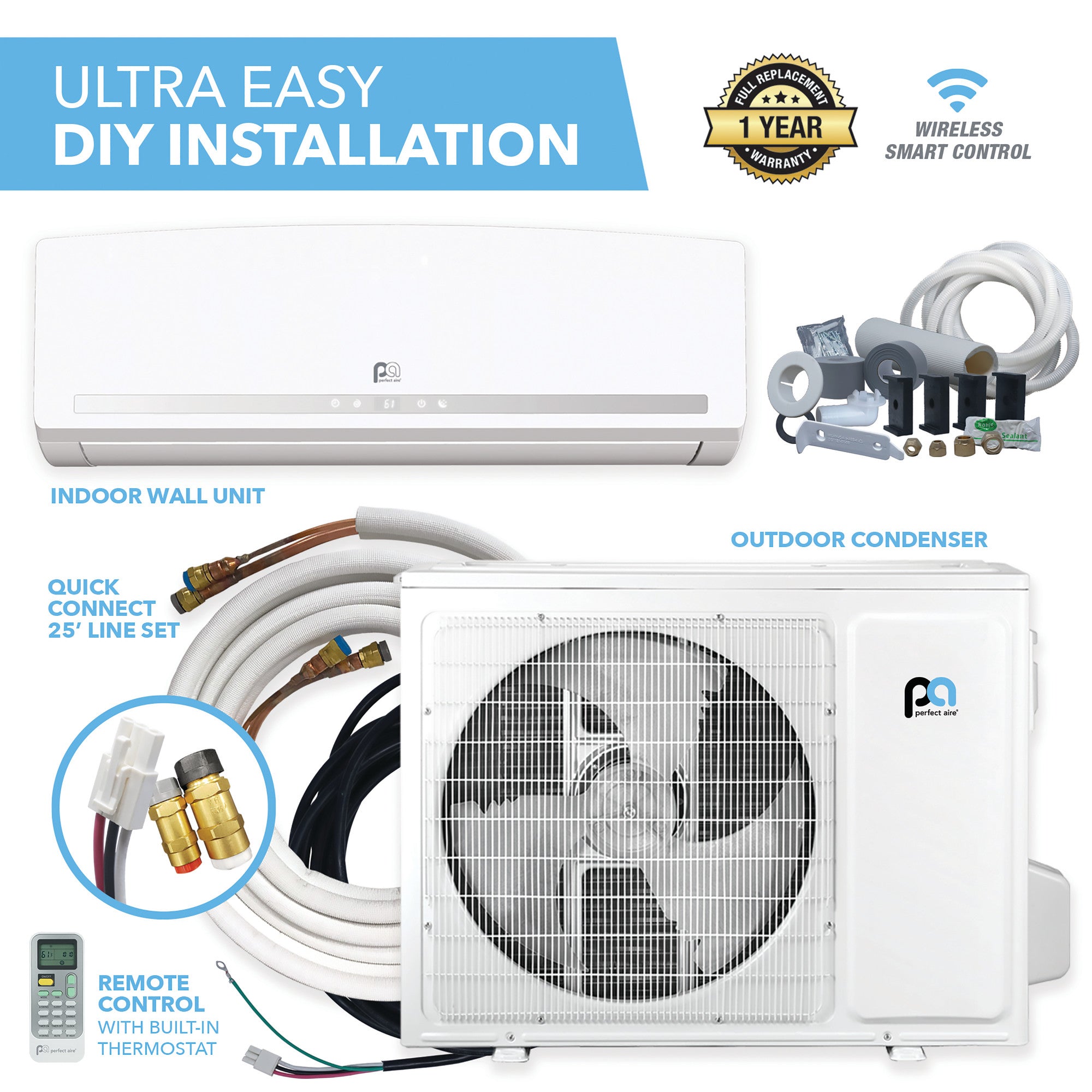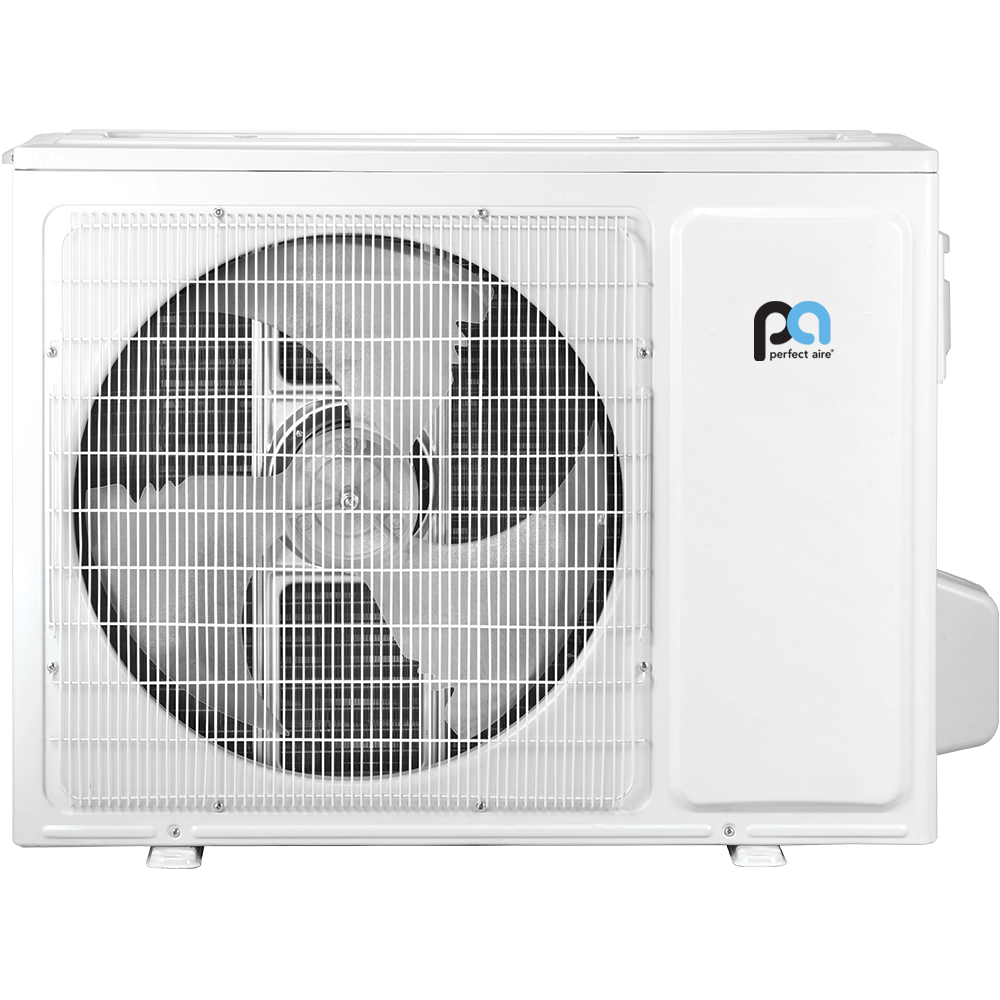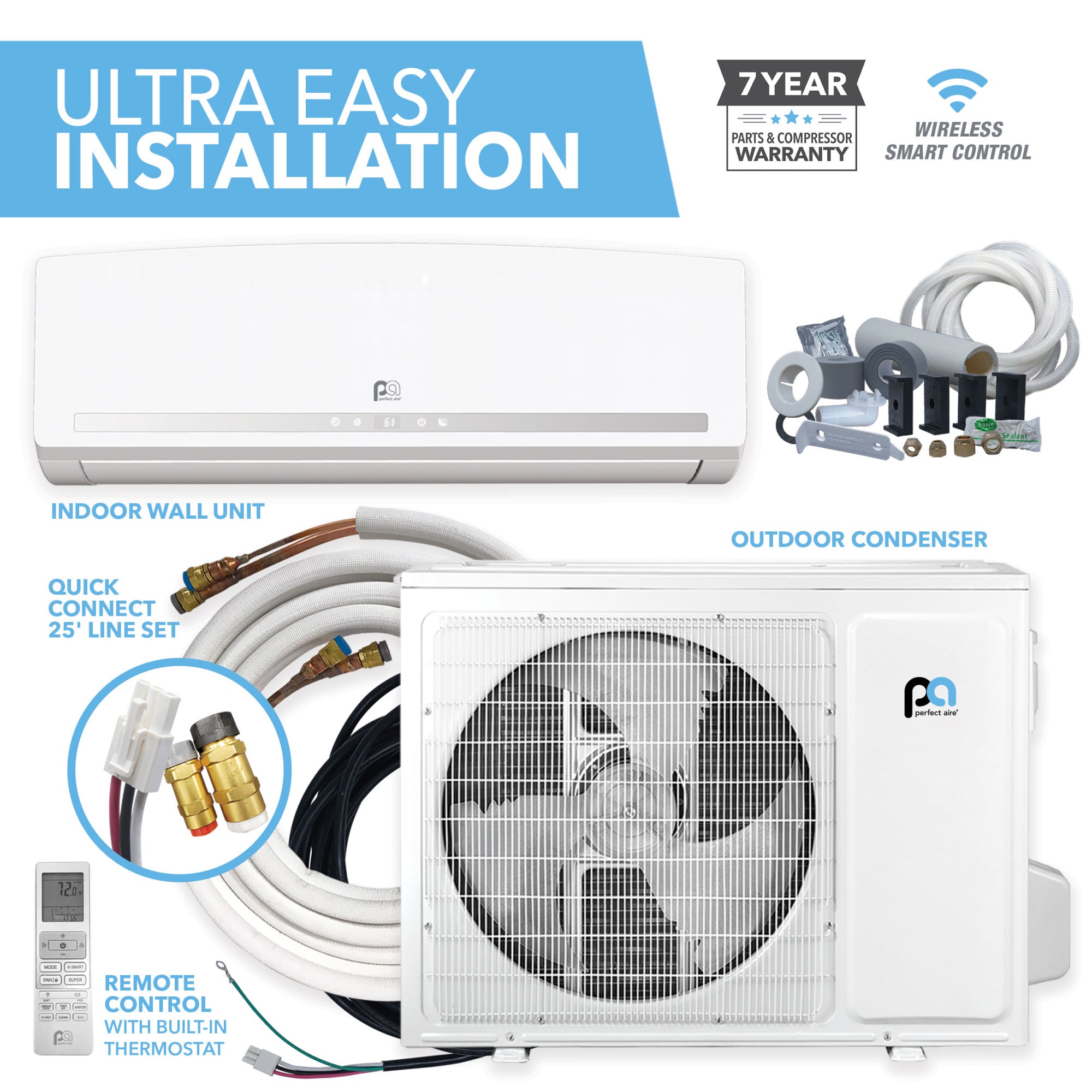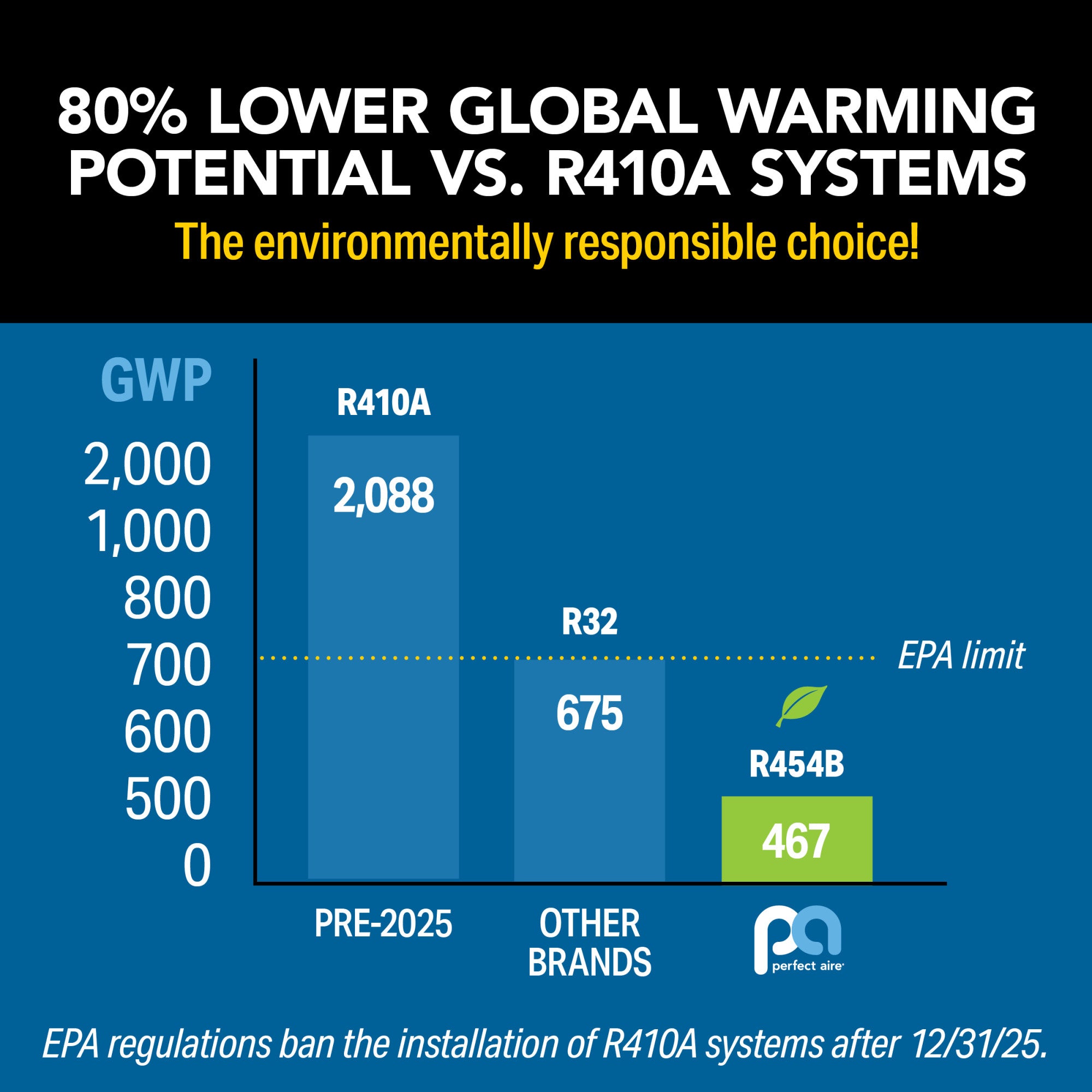
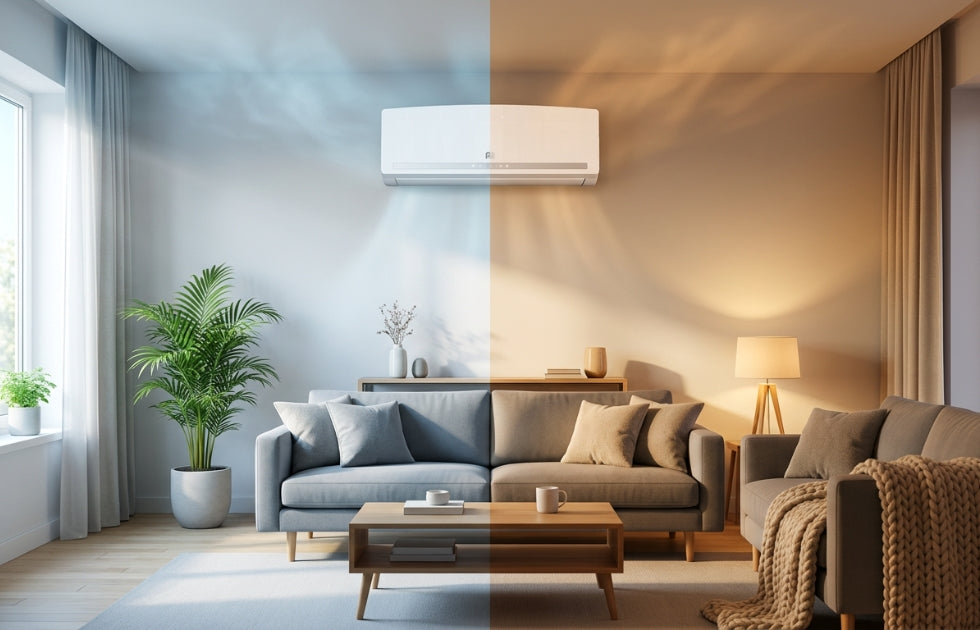
Summer doesn't end on a schedule. Neither does the need for comfort.
September has a way of throwing both at you in the same week. A run of warm afternoons that still call for cooling followed by mornings cold enough to want heat before the central system kicks on. The window unit you installed in June handles one side of that equation. The space heater you dug out of the closet handles the other. Neither one feels like a real solution.
A mini-split handles both. Not as a compromise, but as a system designed from the ground up to move heat in either direction depending on what the space needs. That's what makes the shoulder season the right time to understand what a mini-split actually does, and whether one belongs in your space before winter arrives.

Quick Answer: Do Mini-Splits Work for Both Heating and Cooling?
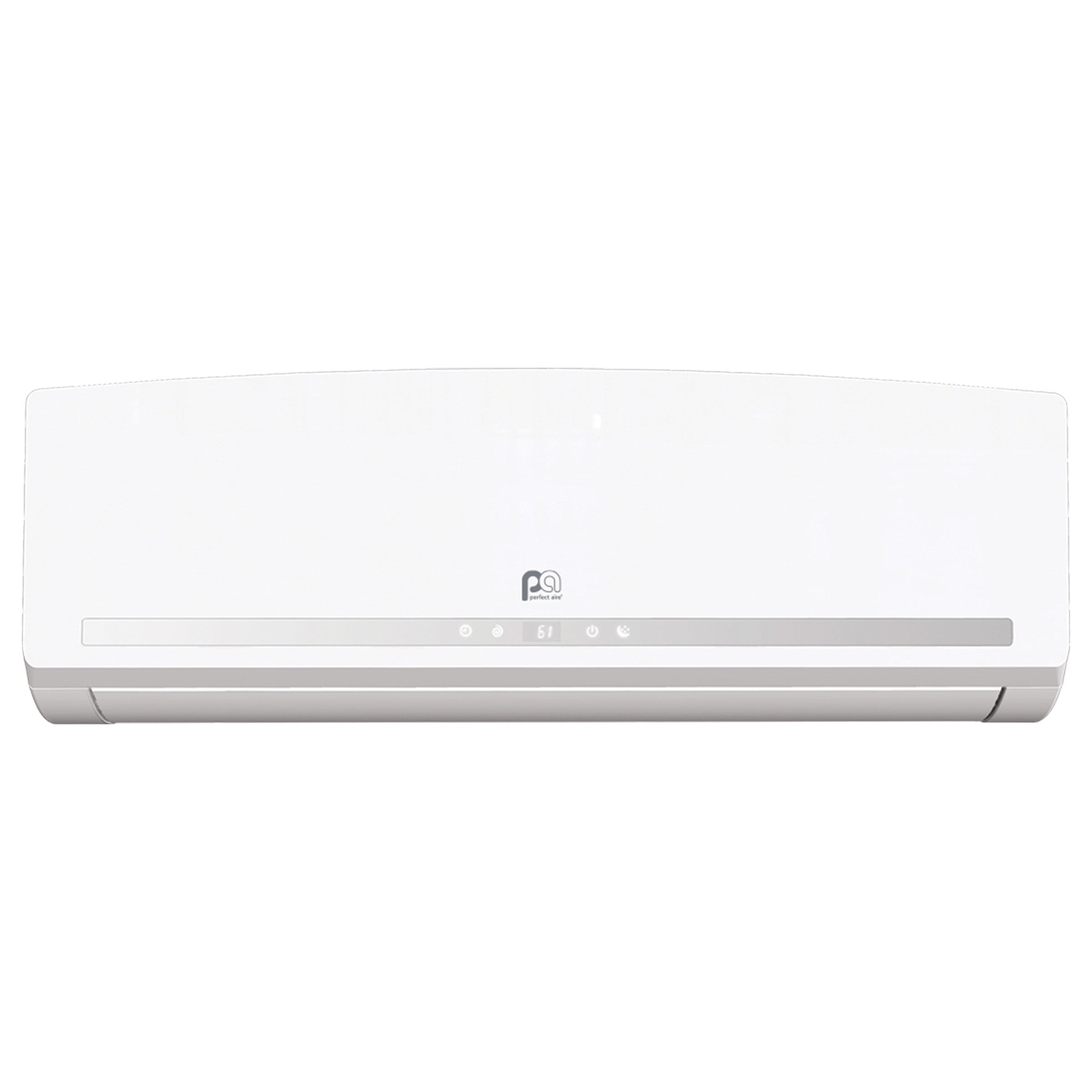
Yes. Most mini-split systems are heat pumps, which means they move heat rather than generate it. In cooling mode they move heat out of the space. In heating mode they move heat into it. The same system handles both functions efficiently without requiring a separate heating source. For spaces that need comfort across the full range of seasons, a mini-split is one of the most practical single-system solutions available.
What Is a Heat Pump and Why Does It Matter for Mini-Splits
Most people understand what an air conditioner does. A heat pump does the same thing, plus one more trick.
An air conditioner moves heat in one direction. It pulls heat out of the indoor air and dumps it outside, leaving the room cooler. A heat pump does the same thing in cooling mode, but it can also reverse the process. In heating mode it pulls heat from the outdoor air and moves it inside, warming the space without burning fuel to generate heat from scratch.
That distinction matters for a few reasons.
- 1 Heat pumps are efficient heaters. Because they move heat rather than generate it, heat pumps deliver more heating energy than the electrical energy they consume. In moderate conditions a well-sized heat pump can deliver two to three times the heating output per unit of electricity compared to a standard electric resistance heater. For a space heater or baseboard heat comparison, that efficiency gap is significant over a full heating season.
- 2 The same unit does both jobs. There's no separate heating system to install, maintain, or budget for. The mini-split that kept the space cool all summer switches to heating mode when temperatures drop. One remote, one system, one set of components to maintain.
- 3 It works across a wider temperature range than most people expect. Modern mini-split heat pumps are designed to extract heat from outdoor air even at relatively low temperatures. Most systems operate effectively well below freezing, which covers the full range of shoulder season conditions and most winter use cases depending on your climate.
How Mini-Splits Handle the Shoulder Season
The shoulder season is where a mini-split earns its keep in a way that no single-mode cooling unit can match.
In September and October, outdoor temperatures can swing 20 to 30 degrees between morning and afternoon. A cool night gives way to a warm afternoon that still needs cooling. A rainy week drops temperatures enough to want heat, then a sunny stretch brings them back up. Central systems handle this awkwardly. They're designed for sustained seasonal demand, not daily switching between heating and cooling. Window units and portable ACs don't heat at all.
A mini-split switches between modes in minutes. Cool the space in the afternoon. Switch to heat for the evening. Do it again the next day without any manual changeover, equipment swaps, or waiting for the central system to catch up with conditions that already changed.
The shoulder season also happens to be one of the better times to install a mini-split. Demand on HVAC suppliers and installers eases after peak summer, and getting a unit in place before winter means you're not rushing the decision when the first cold snap arrives.
Mini-Split Heating vs Other Heating Options
A mini-split isn't the only way to heat a space. Here's how it stacks up against the alternatives most homeowners are actually choosing between during shoulder season.
| DIY Mini-Split | Space Heater | Baseboard Heat | Portable Heater | Central Heat | |
|---|---|---|---|---|---|
| Heats the space | Yes | Yes | Yes | Yes | Yes |
| Cools the space | Yes | No | No | No | No |
| Efficiency | High, moves heat rather than generating it | Low, electric resistance | Low, electric resistance | Low, electric resistance | Varies by system |
| Individual room control | Yes | Yes | Limited | Yes | No |
| Works during shoulder season | Yes, switches between modes easily | Heat only | Heat only | Heat only | Heat only |
| Installation required | Yes, one day DIY install | No | Yes | No | Existing system only |
| Year-round solution | Yes | No | No | No | Whole home only |
| Operating cost over a season | Lower, heat pump efficiency | Higher, resistance heating | Higher, resistance heating | Higher, resistance heating | Varies |
What to Know About Mini-Split Heating Performance in Cold Weather
A common concern with heat pump systems is how well they perform when temperatures drop. It's a fair question and worth answering directly.
Modern mini-split heat pumps are designed to operate effectively at outdoor temperatures well below freezing. Many systems are rated for heating operation down to around 5 degrees
Fahrenheit or lower depending on the model. For most of the country and most shoulder season and winter conditions, a properly sized mini-split maintains effective heating performance without supplemental heat sources.
A few things worth understanding about cold weather performance:
- Efficiency decreases as outdoor temperature drops. A heat pump is most efficient when the temperature difference between indoors and outdoors is moderate. As outdoor temperatures fall, the system works harder to extract heat from the air. It still works, but efficiency decreases compared to mild conditions. This is normal heat pump behavior and doesn't mean the system is failing.
- Most mini-splits include an electric heat assist mode. For very cold conditions where heat pump efficiency drops significantly, many systems include a backup electric resistance heating element that engages automatically. This ensures the space stays warm even in extreme cold, though it runs at lower efficiency than the heat pump mode.
- Sizing matters more in cold climates. A unit that's adequate for cooling a space in summer may need to work harder to heat the same space in a cold winter. If your climate regularly sees sustained cold temperatures, factor that into sizing decisions rather than sizing purely for cooling load.
- Mini-splits designed for cold climates exist. If you're in a northern climate with sustained cold winters, look specifically for units rated for low ambient heating operation. These are engineered to maintain heating capacity at lower outdoor temperatures than standard units.
Is a Mini-Split Right for Year-Round Use in Your Space?
A mini-split makes the most sense when the space has a real need on both sides of the seasonal transition.
It's a strong fit if:
- The space needs cooling in summer and heat in fall and winter
- The central system doesn't reach the space well (or there's no ductwork at all)
- You want individual temperature control independent of the rest of the house
- The space is used regularly enough to justify a permanent installation
- You're replacing a window AC and a space heater with one system that does both jobs more efficiently
It's worth considering alternatives if:
- The space only needs occasional warmth and a space heater covers it adequately
- The space is temporary or you're not planning to stay in the home long enough to recoup the installation investment
- The space already gets reliable comfort from the central system
For most homeowners with a bonus room, sunroom, addition, or any space that doesn't get consistent comfort from the central system year-round, a mini-split resolves the problem permanently rather than patching it seasonally. The shoulder season is the right time to make that call, before the first cold snap makes the decision feel rushed.
One System. Two Seasons. No Workarounds.
A window unit comes out in October. A space heater goes in. Neither one is a real solution for a space you use year-round.
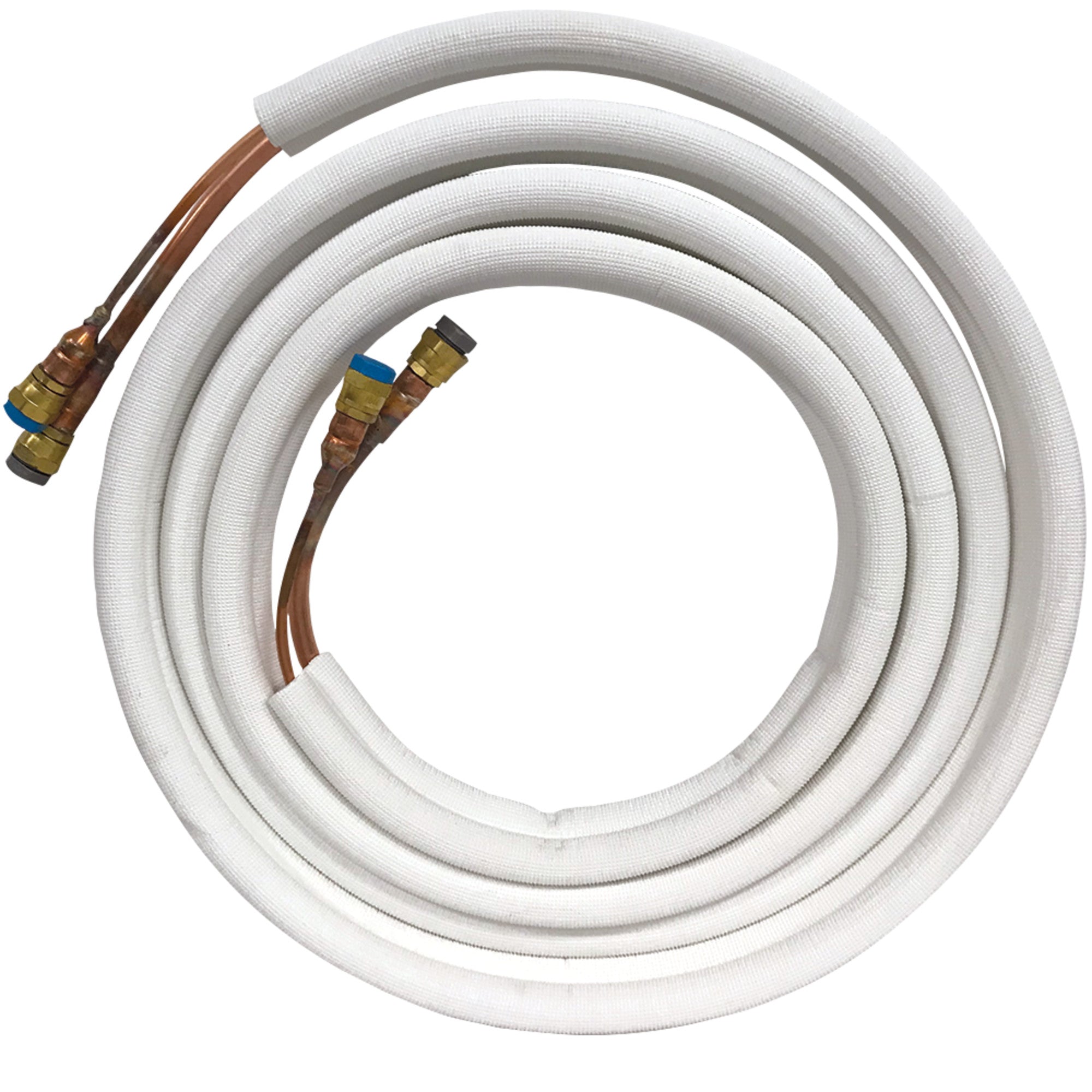
A DIY mini-split stays on the wall through every season, cools when you need cooling, heats when you need heat, and does both efficiently without asking you to swap equipment or compromise on comfort.
Ready for a system that does both?
Browse our full selection of DIY mini-split systems to find the right size for your space. Not sure what BTU rating you need? Our AC BTU sizing guide covers sizing for mini-splits before you buy.