
Cooling season is winding down. Heating season is closer than it looks.
For property managers running PTAC units across multiple rooms or buildings, the window between seasons is the right time to catch small problems before they become guest complaints, maintenance calls, or emergency replacements in January.
This checklist covers the accessories worth inspecting and replacing now, plus the quick checks that take minutes per unit but pay off all winter.

Quick Answer: What Should Property Managers Check on PTAC Units Before Fall?
Inspect and clean filters, check the wall sleeve for rust or damage, confirm exterior grilles are intact and unobstructed, test heating mode on each unit, check drainage, and do a visual inspection of coils and electrical connections. Replace worn sleeves and grilles before heating season puts units under sustained demand. Catching these items now prevents emergency calls when temperatures drop.
Clean or Replace the Filters
Start here. It's the fastest check on the list and one of the most impactful.
PTAC filters collect dust, debris, and particulates throughout cooling season. A clogged filter restricts airflow, reduces efficiency, and makes the unit work harder to maintain temperature. In a multi-unit property, filters that haven't been cleaned since spring are a common source of tenant comfort complaints in early fall.
Most PTAC filters are washable and can be rinsed, dried, and reinstalled. Units with heavy use or rooms with pets or high occupancy may need filter replacement rather than cleaning. Check each unit individually rather than assuming uniform condition across the property.
Inspect the Wall Sleeve
The wall sleeve is the galvanized steel housing that holds the PTAC unit in the wall opening. It takes the most weather exposure of any component on the unit and is worth a close look before heating season.
Check for rust, corrosion, physical damage, and gaps where the sleeve meets the wall. A sleeve that's deteriorating compromises the unit's seal, allows outside air infiltration, and can affect both heating efficiency and noise levels. In older properties, sleeves that have been in place for many years may be overdue for replacement regardless of visible condition.
A properly fitted wall sleeve also includes a drain kit to manage condensate. Confirm drainage is clear and functioning before heating season adds condensation from the heating cycle.
A replacement Universal Wall Sleeve for PTAC Units is galvanized steel, weather-resistant, and includes a drain kit. Worth having on hand for units showing significant wear.
Check the Exterior Grille
The exterior grille takes direct exposure to weather, UV, debris, and whatever the summer threw at the outside of your building. Before heating season, inspect each grille for physical damage, warping, bent fins, and blockages from debris or nesting.
A damaged or obstructed grille restricts airflow to the outdoor coil, reduces efficiency in both heating and cooling modes, and can allow moisture and pests into the wall sleeve. Replacing a worn grille is a straightforward swap that makes a visible difference in both unit performance and building appearance.
THS carries exterior grilles for Perfect Aire PTAC units in multiple finishes to match your property's exterior. The steel exterior grille is a practical, cost-effective option at $74.99. Architectural aluminum grilles are available in beige or light bronze for properties where appearance is a priority.
Test Heating Mode on Every Unit
Don't wait for a cold night to find out a unit isn't heating. Test each PTAC in heating mode before temperatures drop and do it early enough that any units needing service or replacement can be addressed without rushing.
Switch each unit to heat, set the thermostat above room temperature, and confirm the unit produces warm air within a few minutes. Note any units that produce weak heat, no heat, or unusual noises during the heating cycle. A unit that cooled fine all summer can still have a heating element or heat pump issue that only surfaces when heating mode is called on.
For properties with heat pump PTACs, confirm the heat pump engages correctly at moderate temperatures. Heat pump efficiency drops in very cold conditions, which is why many units include electric heat assistance for extreme cold. Confirm both modes are functioning before you need them.
Inspect Coils and Clear Any Obstructions
The indoor evaporator coil and outdoor condenser coil both accumulate dust, debris, and buildup over a cooling season. Dirty coils reduce heat transfer efficiency and make the unit work harder in both heating and cooling modes.
A visual inspection of the indoor coil through the access panel can reveal visible buildup worth addressing before winter. Outdoor coils can be gently cleared of debris with a soft brush or low-pressure rinse. Avoid high-pressure washing, which can damage coil fins.
Units in coastal properties, high-pollen areas, or locations with heavy landscaping nearby may show more coil buildup than units in cleaner environments. Flag these for more thorough cleaning as needed.
Check Drainage and Condensate Management
PTAC units produce condensate during both cooling and heating cycles. Blocked or poorly functioning drainage leads to water pooling inside the unit, potential water damage to walls and flooring, and accelerated internal corrosion.
Confirm the drain pan is clear, the drain port is unobstructed, and the wall sleeve drain kit is functioning. In units showing signs of previous water pooling, such as rust staining inside the chassis or discoloration on the wall below the unit, investigate drainage before heating season puts the unit back under sustained demand.
Do a Visual Electrical Check
A quick visual inspection of accessible electrical components takes minutes and can surface obvious issues before they become failures.
Look for discoloration around wiring connections, signs of overheating on the chassis, and any visible damage to the power cord or plug. Units showing any of these signs should be flagged for a qualified technician before being put back into service for heating season.
This is not a full electrical inspection and should not substitute for one where warranted. It's a first pass that catches the obvious before the season starts.
Get Ahead of Heating Season Before the First Cold Night
The units that cause problems in January are usually the ones that didn't get a look in September. A few hours of checks across your property now is a better use of time than emergency calls when temperatures drop and every HVAC supplier is backed up.
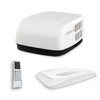
Browse our PTAC units and accessories including universal wall sleeves and exterior grilles to get your property ready before fall demand picks up.