
If you own an older home, adding air conditioning isn’t always straightforward.
If your home was built before the 1970s, there’s a good chance it wasn’t designed with central air in mind. You might have radiator heat, baseboard heaters, or window units, but no visible ductwork or air vents.
So when it’s time to upgrade your cooling system, you’re faced with a big question: Do you invest in central air and add ductwork, or is there a better option?
For many homeowners, this decision comes down to cost, complexity, and how much disruption they’re willing to take on.
The good news is that newer solutions like ductless mini-split systems make it possible to add efficient cooling without tearing into walls or installing full duct systems.
Is a Mini-Split Better Than Central Air?
For older homes without existing ductwork, a mini-split system is often the more practical and cost-effective option.
Installing central air in a home without ducts typically requires opening walls, ceilings, or floors to run ductwork throughout the house. This can be expensive, time-consuming, and disruptive.
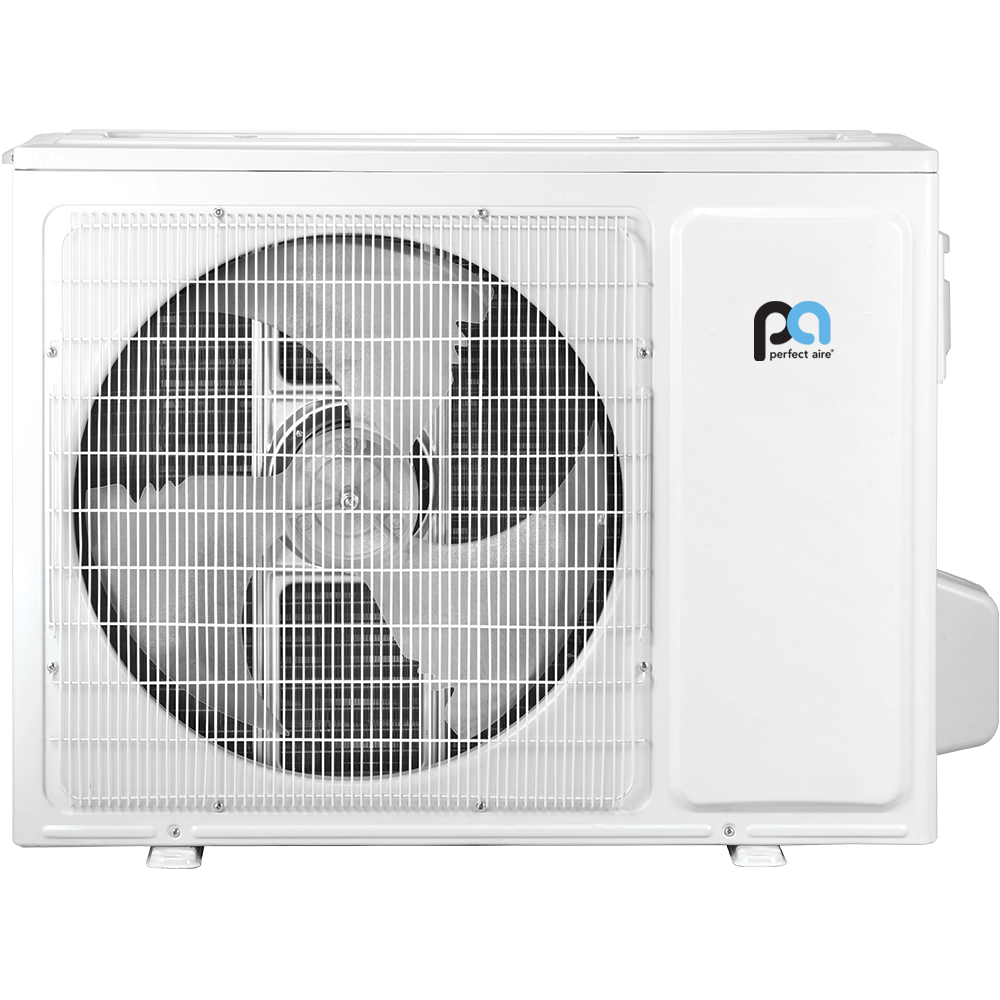
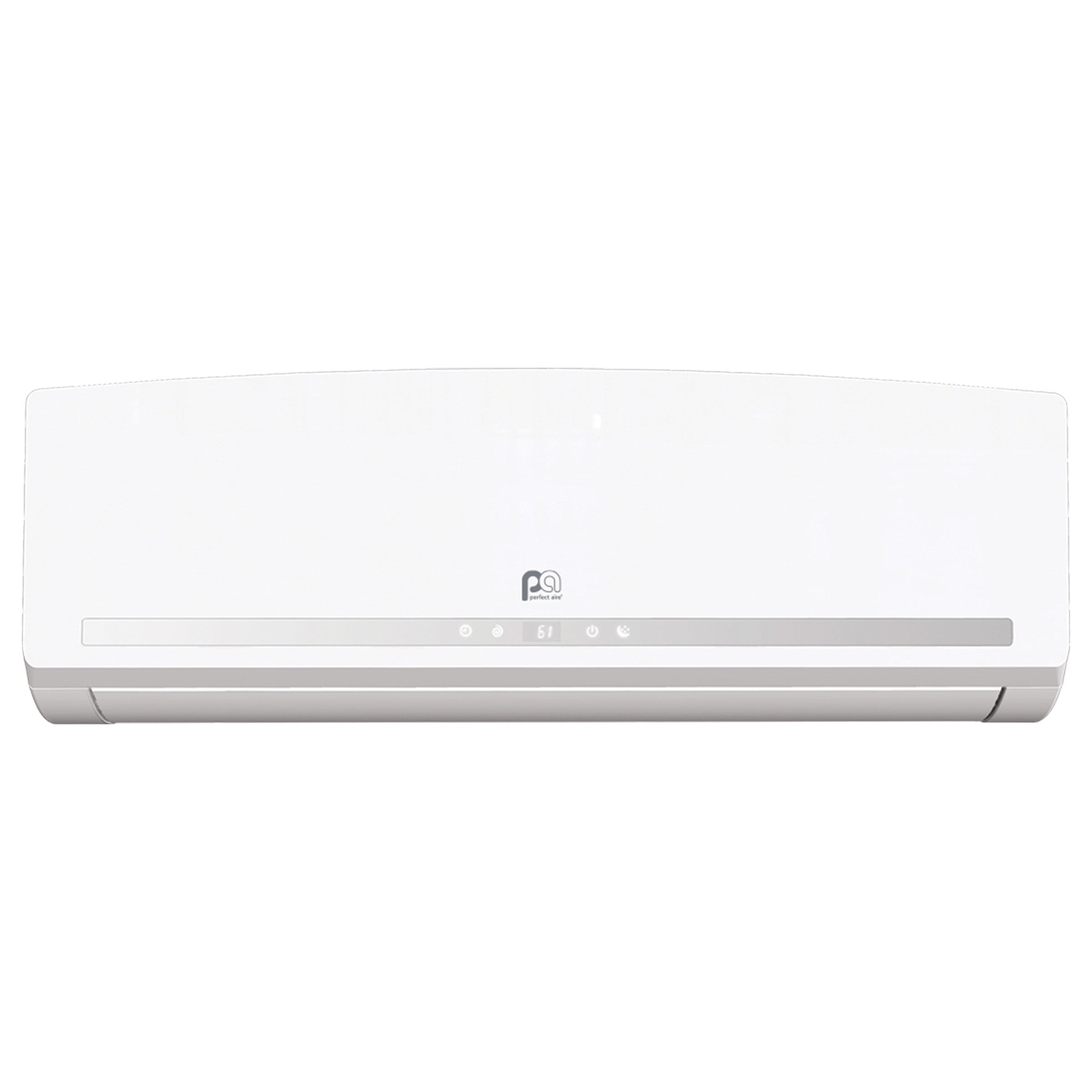
Mini-split systems avoid that process entirely. They deliver cooling directly to individual rooms using a small outdoor unit connected to indoor air handlers, without the need for ducts.
Central air can still be a good option in homes that already have ductwork or during major renovations. But for many older homes, mini-splits provide a simpler way to add efficient, reliable cooling without major construction.

Left side: Installing central air in a home without ductwork often requires opening walls, ceilings, and floors.Right side: Mini-split systems require only a small wall opening to connect indoor and outdoor units.
How to Tell If Your Home Doesn’t Have Ductwork
For many homeowners, the signs are pretty easy to spot once you know what to look for.
If your home was built before the 1970s, there’s a good chance it was never designed for central air. Many older homes were originally heated with systems that didn’t require ducts at all.
A few common signs include:
- Radiator heat
- Baseboard heaters
- No supply or return vents in the floors, walls, or ceilings
- Window air conditioners in summer
- Boiler heat instead of a forced-air furnace
If that sounds familiar, adding traditional central air usually means adding ductwork from scratch. That can turn a cooling upgrade into a much larger renovation project.
What It Takes to Install Central Air in an Older Home
Installing central air in a home without existing ductwork is usually a much bigger project than most homeowners expect.
Because central air relies on ducts to move air throughout the house, those ducts need to be installed behind walls, above ceilings, or below floors. In older homes, that often means opening up finished spaces to make room for the system.
Depending on the layout of the home, the process can involve:
- Cutting into walls, ceilings, or floors
- Running ductwork through attics, crawl spaces, or closets
- Building out bulkheads or soffits to hide ducts
- Making structural adjustments to fit the system
In addition to the physical work, installation can take several days or longer, especially in homes that weren’t designed with HVAC systems in mind.
For some homeowners already planning a major renovation, adding central air can make sense as part of the project. But for many, the cost and disruption are more than expected for a cooling upgrade alone.
How Do DIY Mini-Splits Reduce Major Renovation Expenses?
Mini-split systems take a different approach to cooling, which makes them a strong fit for older homes without ductwork.
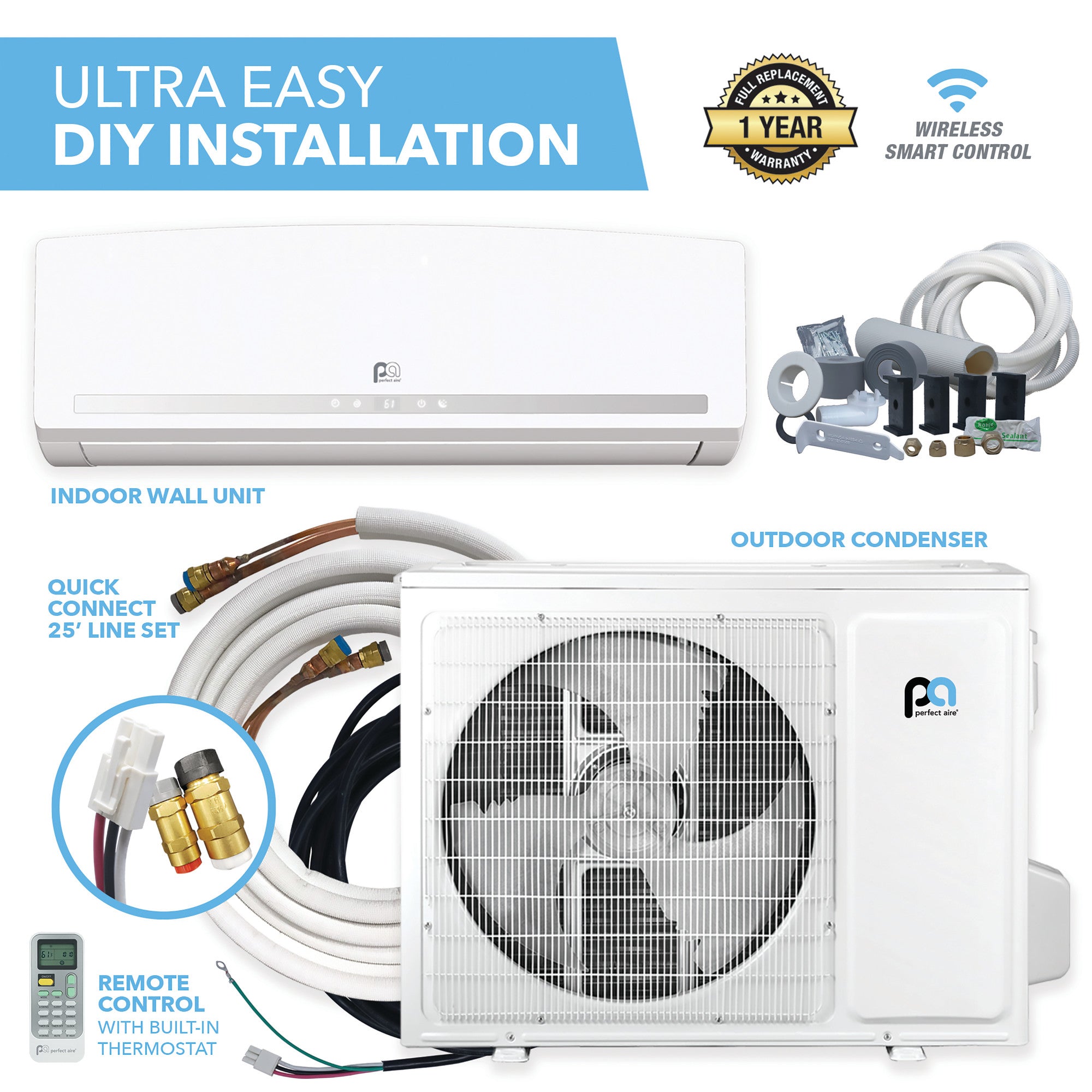
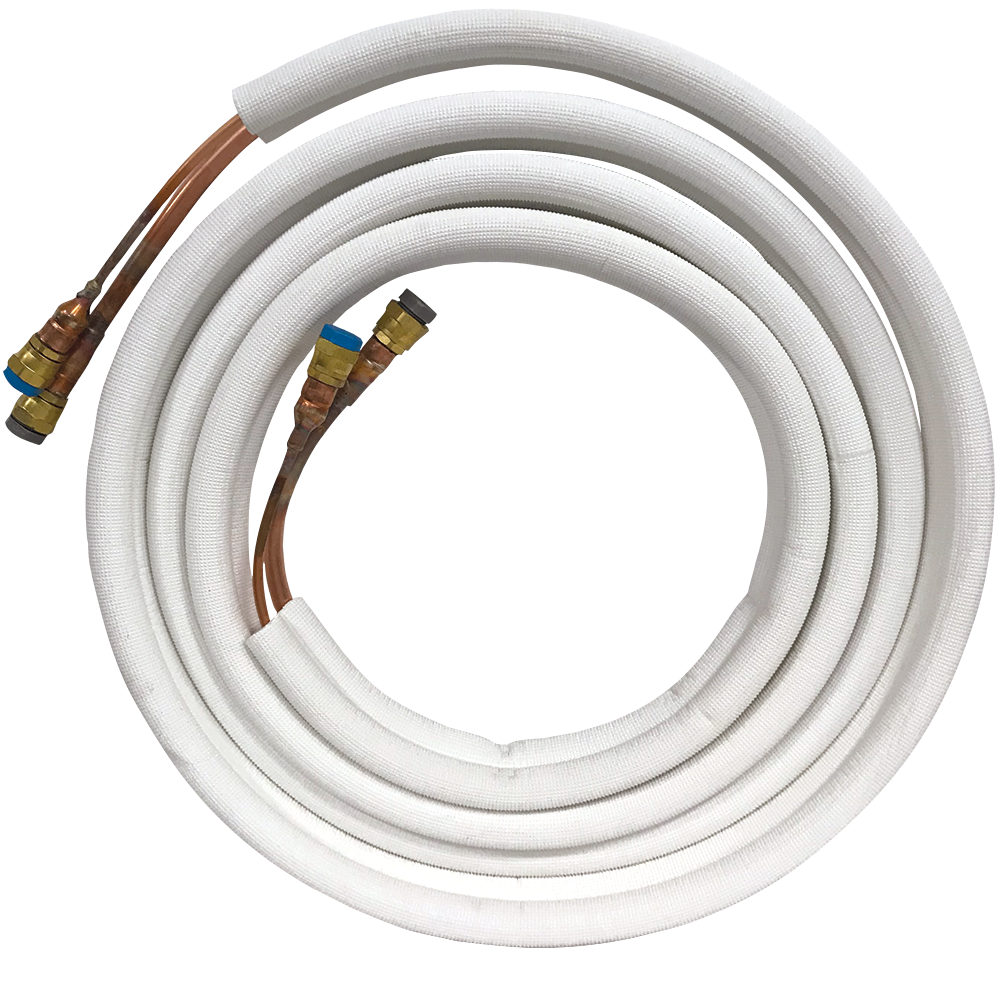
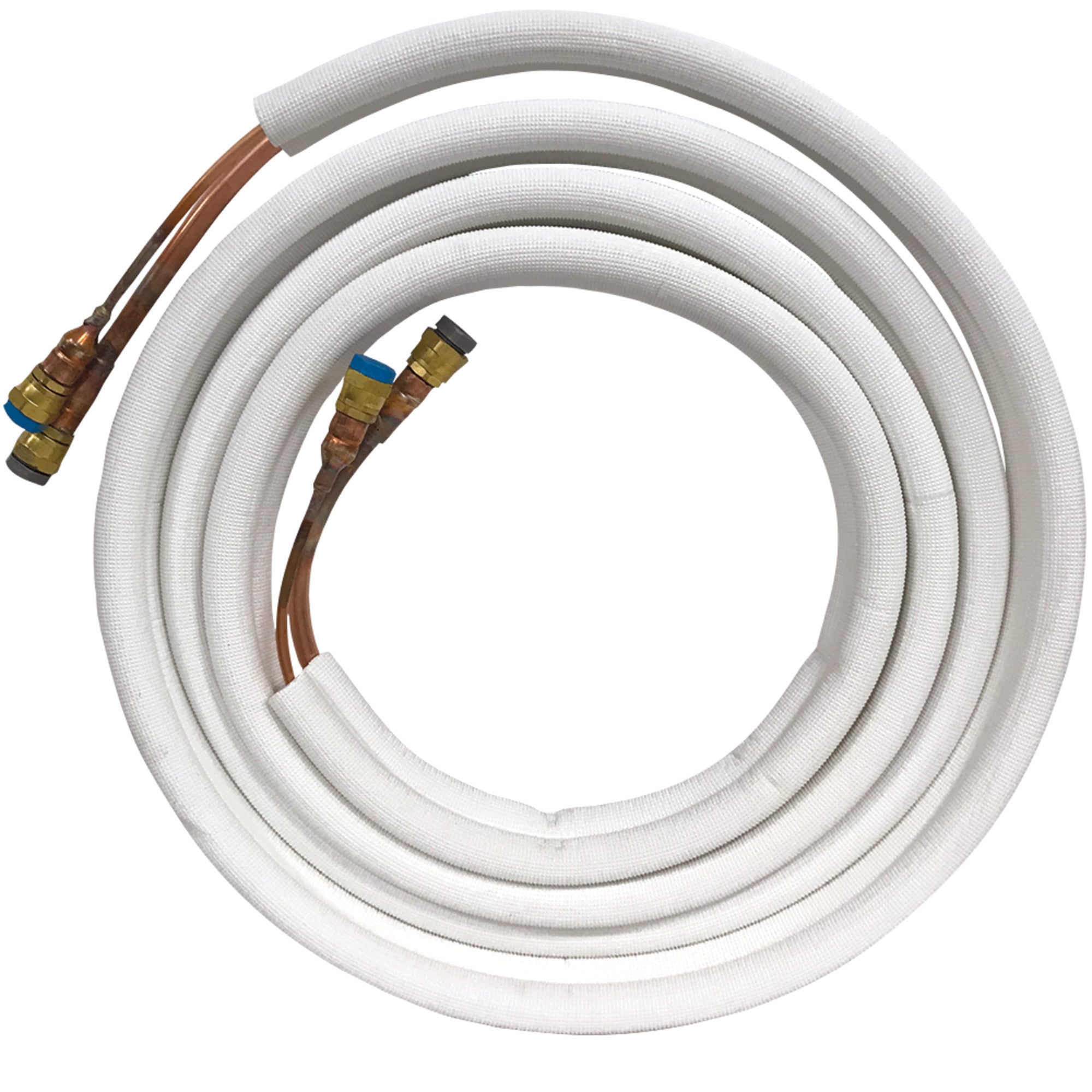
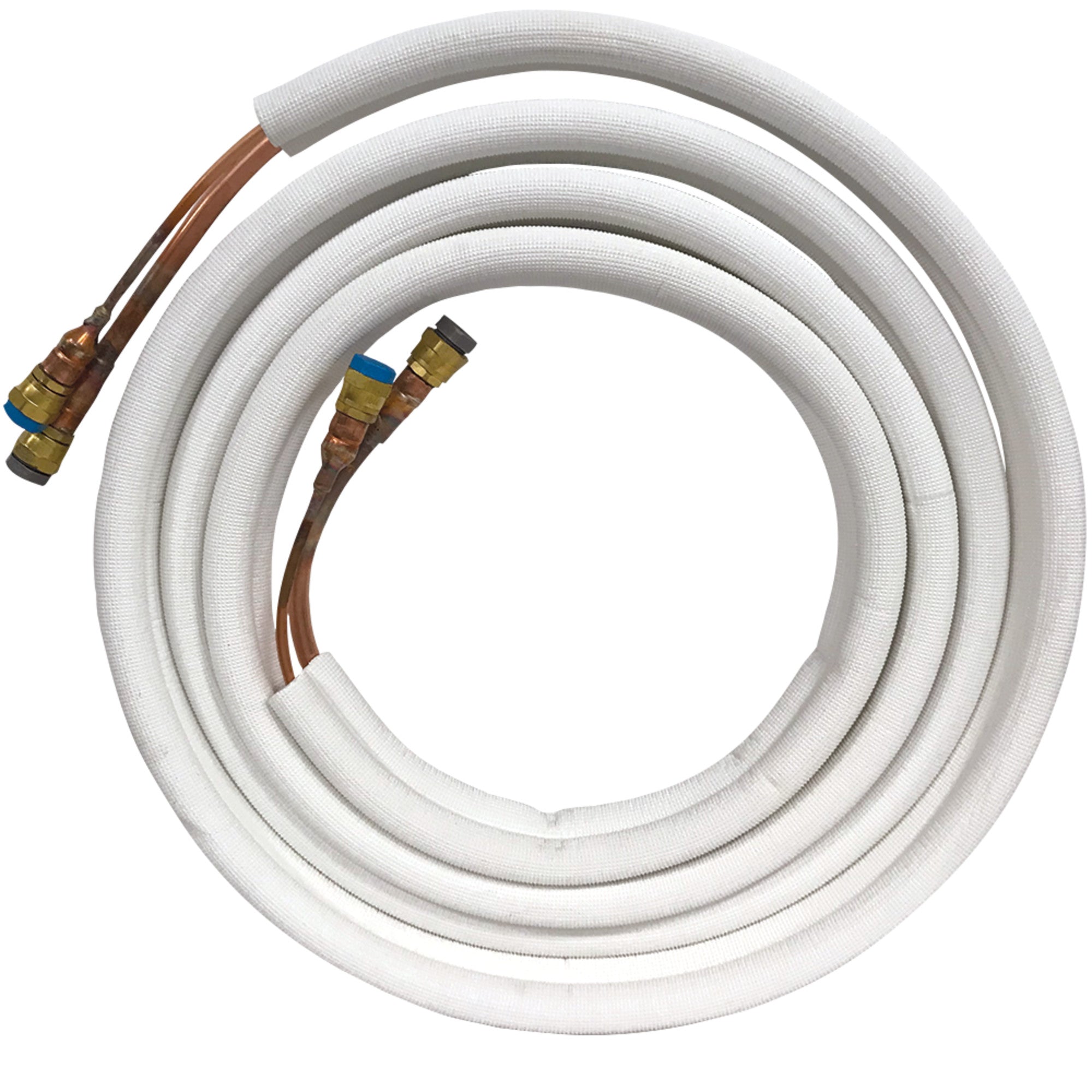
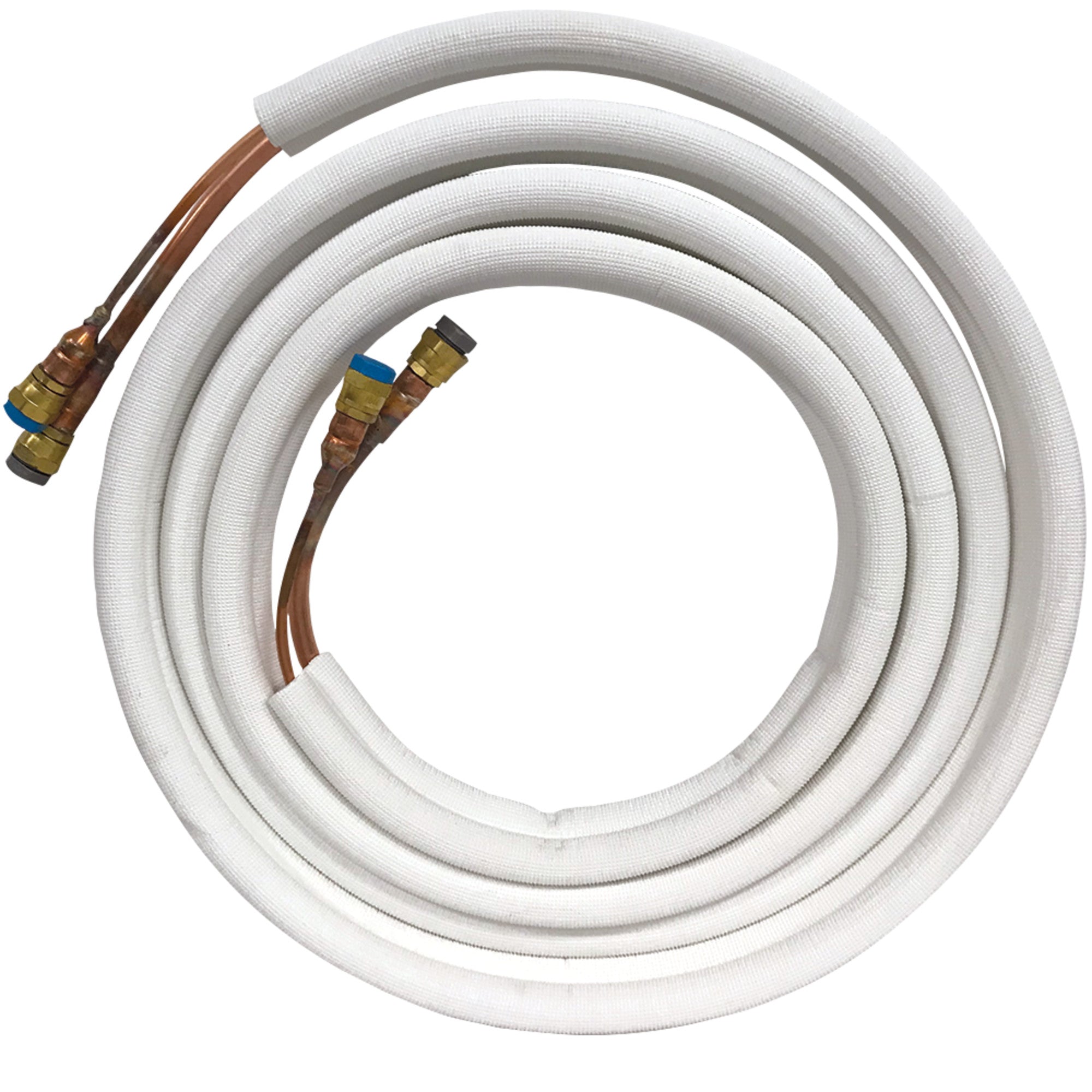
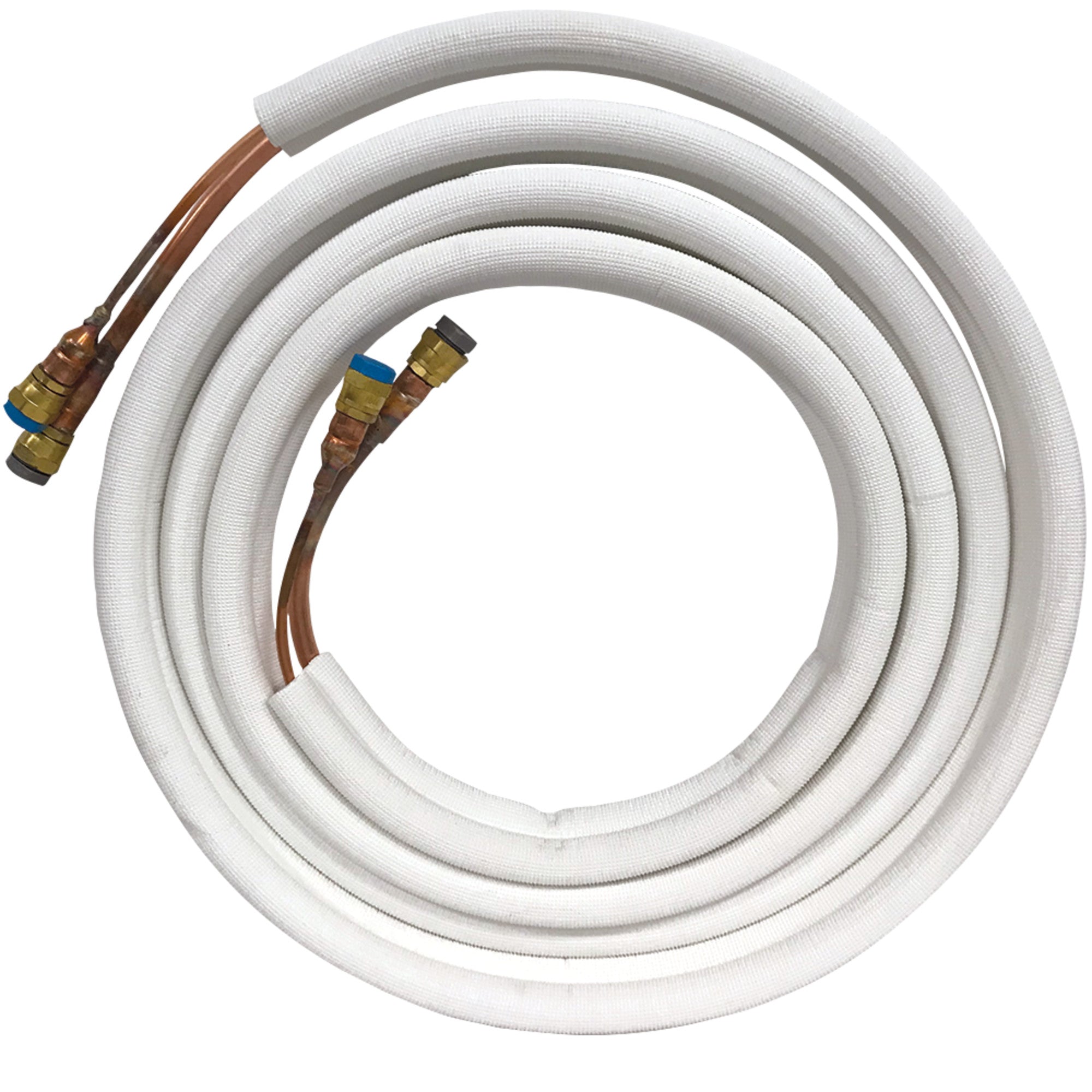
Instead of relying on ducts, mini-splits deliver air directly into each room using a small indoor unit mounted on the wall. That unit connects to an outdoor condenser through a narrow line set that passes through a small opening in the wall. This eliminates the need to open up walls or run ductwork throughout the house.
For most installations, the process involves:
- Mounting the indoor unit on a wall
- Drilling a small hole for the line set
- Connecting to the outdoor unit
- Powering the system
That’s it.
For homeowners, that means less disruption, faster installation, and fewer structural changes compared to adding central air.
Another major advantage is how much easier installation has become.
With DIY mini-split systems, many homeowners can handle the installation themselves. These systems use pre-charged refrigerant line sets and quick-connect fittings, which remove the need for vacuum pumps, gauges, or refrigerant handling. In other words, you don’t need to be an HVAC technician. You just need a plan and simple household tools.
Mini-splits also give you more control over individual spaces. Instead of cooling the entire house at once, you can cool specific rooms as needed, which can improve both comfort and energy efficiency.
Mini-Split vs Central Air: Key Differences
Both systems can effectively cool a home, but they work very differently. The right choice often comes down to how your home is built and how much installation you’re willing to take on.
| Feature | Mini-Split System | Central Air |
|---|---|---|
| Ductwork Required | No ductwork needed | Requires full duct system |
| Installation | Minimal wall opening, faster install | Major installation, often requires opening walls/ceilings |
| Best For | Older homes, additions, rooms without ducts | Homes with existing ductwork |
| Cost to Install | Typically lower in no-duct homes | Higher due to ductwork installation |
| Energy Efficiency | High efficiency, zoned cooling | Can lose efficiency through ductwork |
| Room Control | Individual room control (zoning) | Whole-home cooling |
| Installation Difficulty | DIY-friendly options available | Requires professional installation |
Mini-splits are often the more practical choice for older homes because they avoid the complexity of adding ductwork. They also give you more control over how and where you cool your space.
Central air can still make sense in homes that already have ducts in place or during major renovations where walls and ceilings are already being opened.
When Central Air Might Still Make Sense
Central air can still be a good option in certain situations, even for older homes.
If your home already has existing ductwork in good condition, installing or upgrading a central air system is often straightforward. In that case, you can take advantage of the existing infrastructure without major construction.
Central air may also make sense if you’re planning a full home renovation where walls and ceilings are already being opened. Adding ductwork during a larger remodel can be more practical than doing it as a standalone project.
Some homeowners also prefer the idea of whole-home cooling from a single system, especially in larger homes where consistent temperature across all rooms is a priority.
That said, these situations are less common in homes that were never designed for central air. For many older houses, installing ductwork still adds significant cost and complexity.
Upgrade Your Cooling Without the Renovation
If your home was built before central air became standard, adding cooling doesn’t have to mean opening walls or installing ductwork.
DIY Mini-split systems offer a way to upgrade comfort without turning your home into a construction project. For many homeowners, they provide the right balance of performance, efficiency, and simplicity, especially in spaces that were never designed for central air.
Central air still has its place, particularly in homes with existing ducts or during major renovations. But for older homes without ductwork, mini-splits are often the more practical path forward.
Planning ahead now can also make a big difference. Waiting until peak summer heat arrives often means limited availability and fewer options.
At The HVAC Spot, we carry DIY mini-split systems designed for homeowners, along with the accessories needed to get everything installed and running smoothly. Explore your options and find the right solution for your home before summer temperatures settle in.