Some summer days the problem isn't the heat. It's the air itself.
Wildfire smoke rolling in from hundreds of miles away. Stagnant ozone sitting over the city. A hazy afternoon where the sky has that particular shade of yellow that means you probably shouldn't be outside longer than you have to be.
On days like that, your home should feel like a refuge. The question is whether it actually does.
Keeping windows closed helps, but it doesn't guarantee the air inside is clean. Homes breathe more than most people realize, and whatever is outside has a way of finding its way in. The good news is there are practical steps you can take to make your indoor space noticeably more comfortable when the air quality outside isn't cooperating.

Quick Answer: What Should You Do on a Poor Air Quality Day Indoors?
Keep windows and doors closed to limit how much outside air enters your home. Run an air purifier with a HEPA filter in the rooms you use most. HEPA filters are designed to capture fine particles including smoke, dust, and other airborne particulates that standard filters miss. Supporting your comfort with a humidifier or dehumidifier can help the air feel better depending on your conditions, but neither replaces an air purifier for actually cleaning the air.
What Causes Poor Air Quality Days in Summer
Poor air quality in summer comes from a few different sources, and they don't all look the same.
- Wildfire smoke is the most visible. It can travel thousands of miles from active fire zones and settle over regions that have no fires nearby. The particles in wildfire smoke are extremely fine, which is what makes them particularly irritating and what makes standard filtration less effective against them.
- Ground-level ozone builds up on hot, sunny, stagnant days. It forms when vehicle exhaust and industrial emissions react with sunlight. You can't see it the way you can see smoke, but it contributes to that heavy, uncomfortable feeling that makes some summer afternoons unpleasant even without visible haze.
- Regional haze and particulate pollution can come from industrial activity, agricultural activity, or simply a combination of heat and still air that traps pollutants close to the ground. Cities and suburban areas both experience this, often without a dramatic visual cue that anything is wrong.
The common thread across all of these is fine particulate matter. Particles small enough to pass through standard filters, linger in the air for hours, and accumulate indoors even when windows stay closed.
Why Indoor Air Isn't Always as Clean as You Think
Closing the windows is the right first step on a poor air quality day. It's just not the whole solution.
Most homes aren't airtight. Air moves in through gaps around doors and windows, through HVAC systems, through attic spaces, and through the small openings that exist in any lived-in structure. On a day when outdoor air quality is poor, that infiltration adds up. Studies have found that indoor air can reflect outdoor air quality conditions more than most people expect, even in homes that feel well sealed.
There's also the question of what was already inside before the poor air quality day arrived. Dust, pet dander, mold spores, and household chemicals all contribute to indoor air quality independently of what's happening outside. A poor air quality day doesn't create these problems, but it can compound them.
Standard HVAC filters are designed to protect equipment from large particles, not to clean the air you breathe. They catch dust and debris well enough to keep a system running, but fine particulates like wildfire smoke pass through them largely unimpeded. Running your HVAC system on a poor air quality day circulates air through the home but doesn't meaningfully filter out the particles that matter most on days like these. Same with window or portable ACs: that mesh filter is great at trapping dust particles, but will allow smoke to pass right through.
An air purifier with a true HEPA filter works differently. It's designed specifically to capture fine particles from the air in a defined space, which is exactly what the situation calls for.

How Air Purifiers Help on Poor Air Quality Days
An air purifier with a true HEPA filter is the most direct tool available for improving indoor air quality when conditions outside are poor.
HEPA stands for High Efficiency Particulate Air. A true HEPA filter captures 99.97% of particles at 0.3 microns or larger. That includes the fine particulates found in wildfire smoke, pollen, dust, pet dander, and mold spores. It's a meaningfully different level of filtration than what a standard HVAC filter or a basic air purifier provides.
Where to run an air purifier on poor air quality days:
- Bedrooms, where you spend the most continuous time in one space
- Living areas where the household gathers during the day
- Any room where vulnerable family members, young children, or older adults spend significant time
What to look for in an air purifier for smoke and poor air quality:
- True HEPA filtration, not "HEPA-type" or "HEPA-style," which are marketing terms that don't meet the same standard
- A Clean Air Delivery Rate, or CADR, matched to the size of the room you're running it in. A unit sized for a 200 square foot room won't keep up in a 600 square foot open living area.
- An activated carbon filter in addition to HEPA. Carbon filters address odors and gaseous pollutants that HEPA alone doesn't capture. On heavy smoke days, this matters.
A note on what air purifiers don't do: An air purifier cleans the air in the room it's running in. It doesn't seal your home against infiltration, and it works best when windows and doors stay closed. Think of it as the last line of defense, not the only one.
Keeping Indoor Comfort Up When Windows Stay Closed
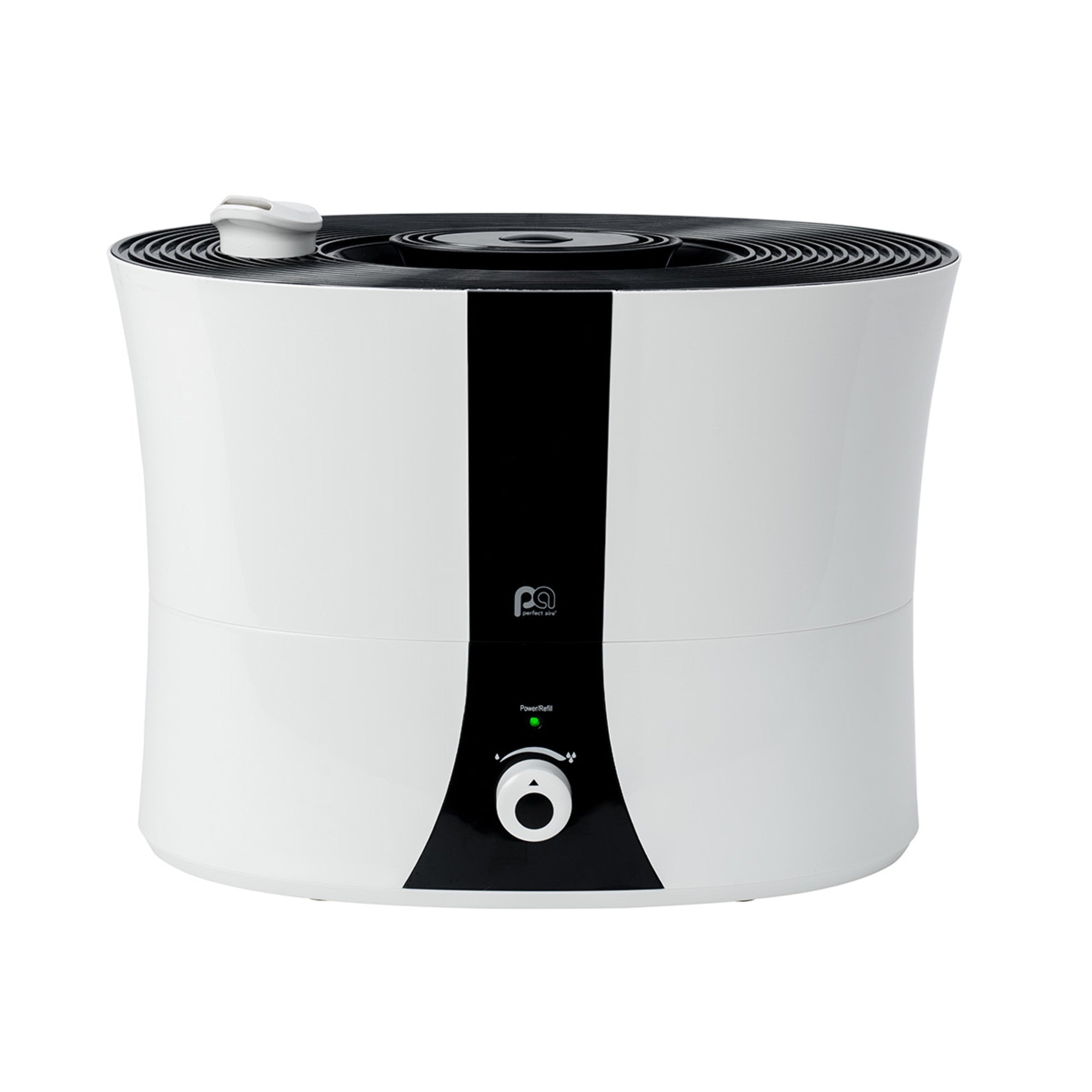
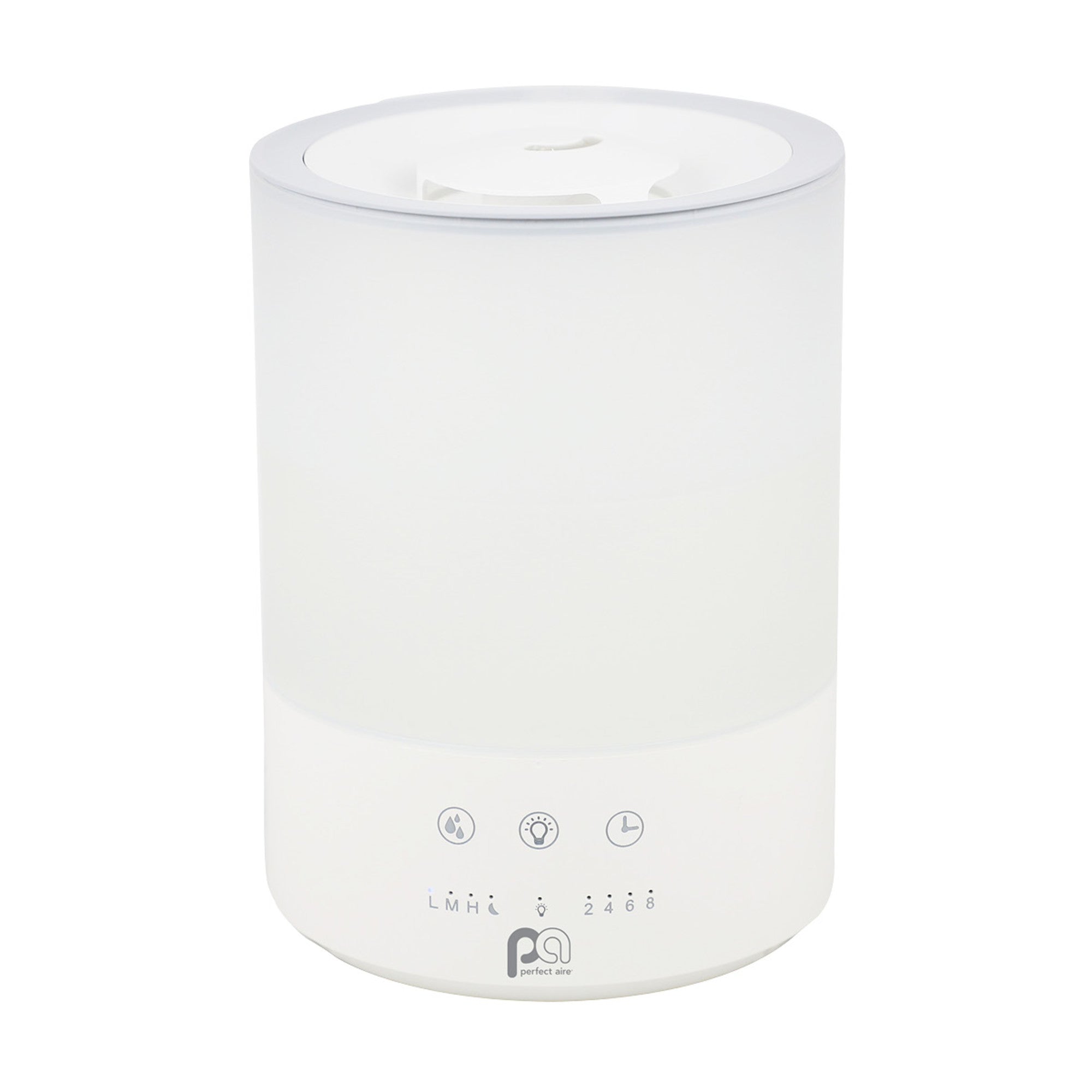
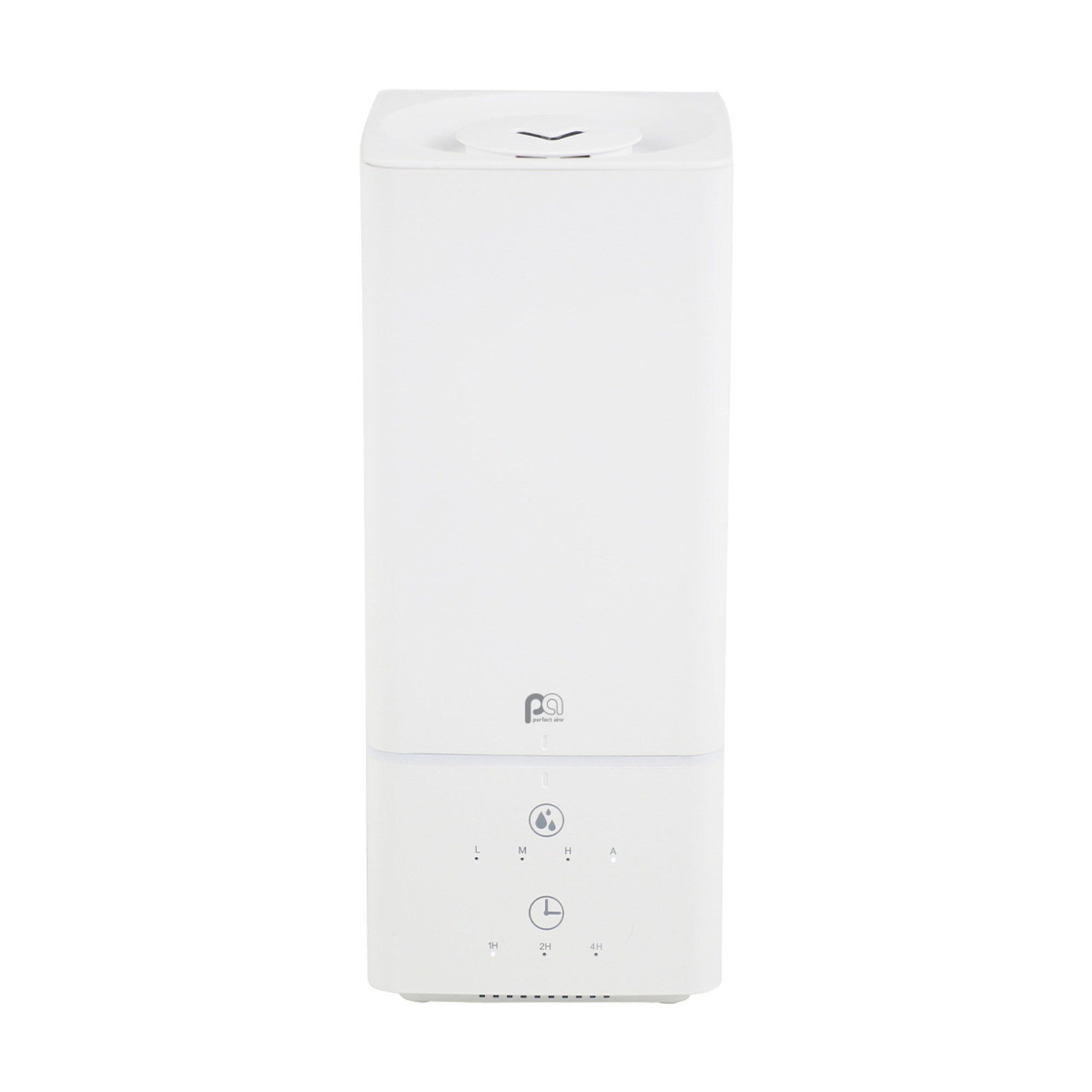
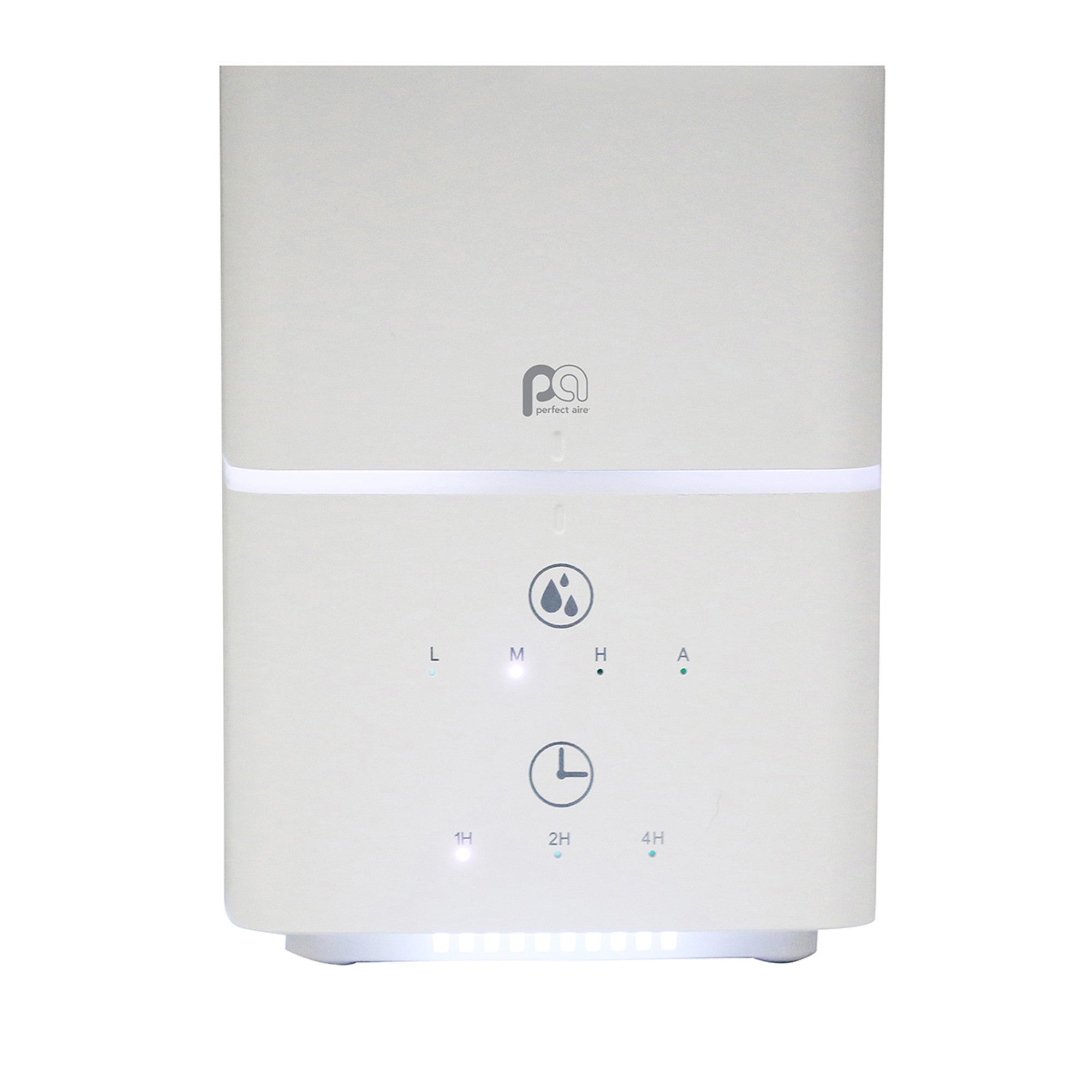
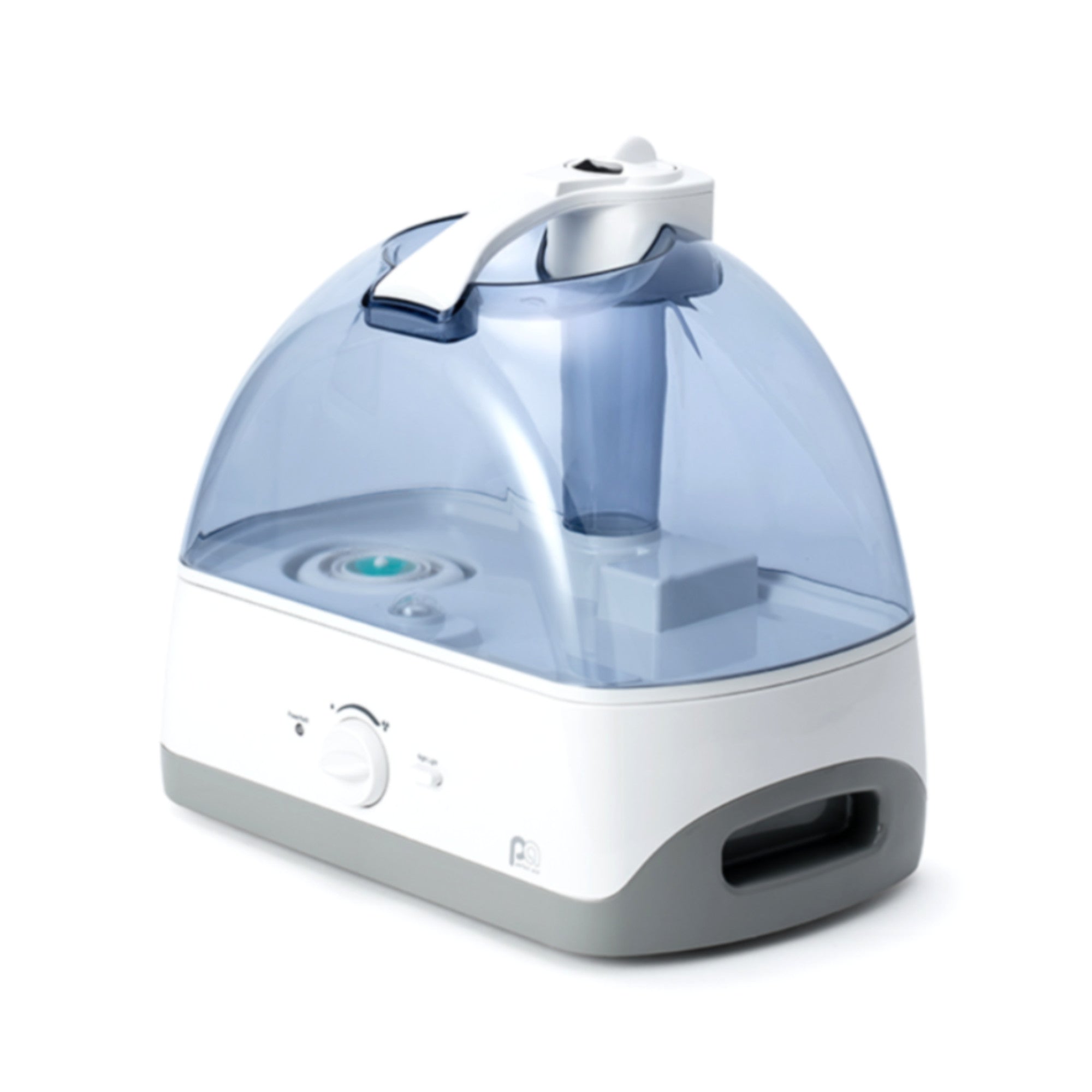
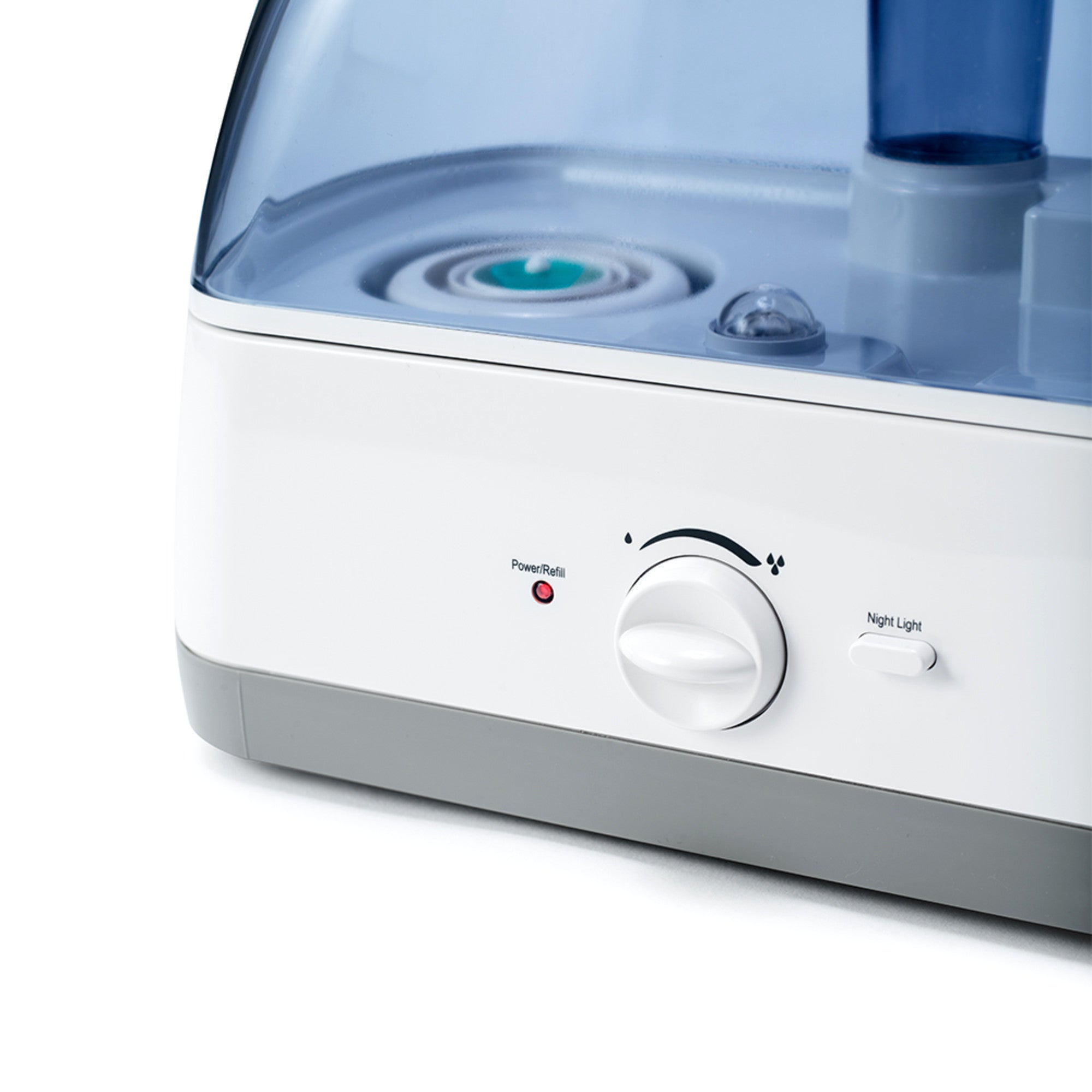
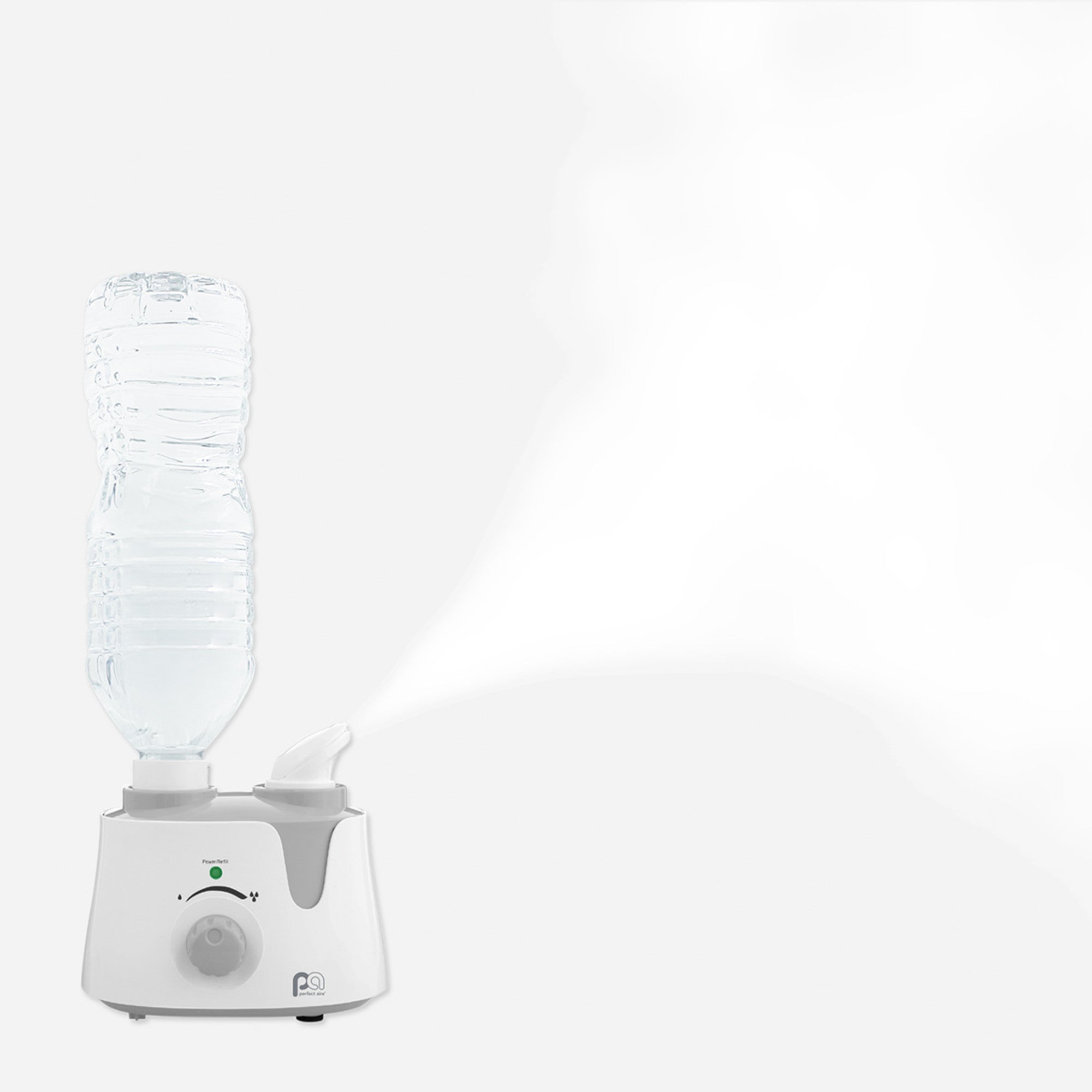
Closing everything up on a poor air quality day is the right call. It can also make your home feel stuffy, dry, or clammy depending on your climate and conditions. That's where a humidifier or dehumidifier can help, not by cleaning the air, but by making the indoor environment more comfortable while everything stays sealed up.
If the air feels dry:
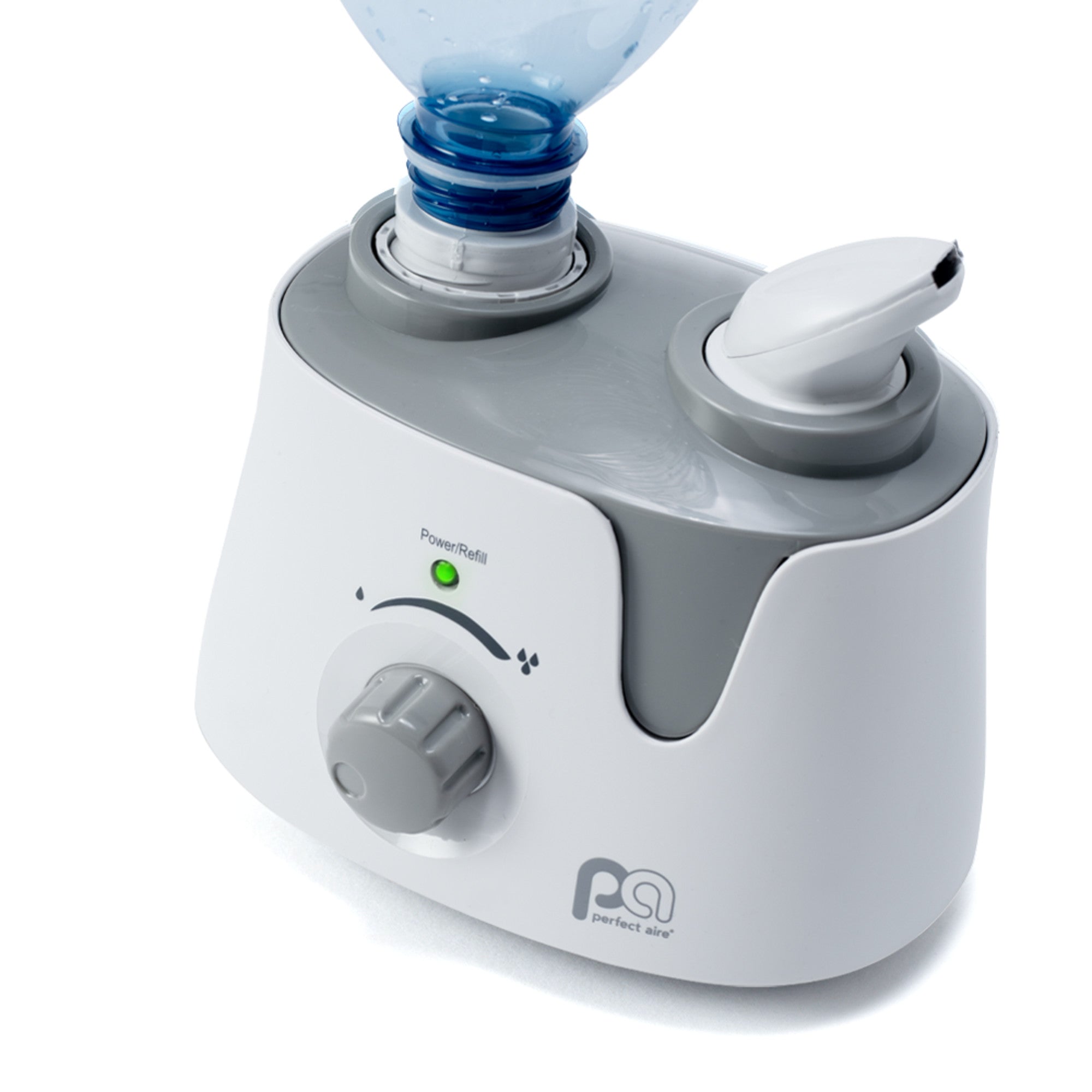
Wildfire smoke events often coincide with hot, dry conditions, especially in western and mountain states. Running the AC with windows closed can pull additional moisture out of already dry air. A humidifier adds moisture back, which can reduce the dry throat and irritated eyes that come with both low humidity and smoke exposure. Target the 30% to 50% indoor humidity range and adjust from there based on comfort.
If the air feels heavy or clammy:
In humid climates, sealing up the house on a poor air quality day can trap moisture indoors, making the air feel thick and uncomfortable. A dehumidifier pulls excess moisture out of the air, which makes the space feel more breathable even when nothing is coming in from outside.
Neither a humidifier nor a dehumidifier filters smoke or particulates from the air. They are comfort tools, not air quality tools. Used alongside an air purifier, they help make a sealed-up home feel like a place you actually want to be rather than a bunker you're waiting out the day in.

Quick Action Checklist: What to Do on a Poor Air Quality Day
A simple reference for days when the air outside isn't cooperating.
Close up the house
- Close all windows and exterior doors
- Seal obvious gaps around doors and windows if possible
- Avoid activities that bring in outside air unnecessarily
Run your air purifier
- Turn on air purifiers in bedrooms and main living areas
- Make sure filters are clean and not overdue for replacement
- Keep doors closed in rooms where purifiers are running to maximize effectiveness
Adjust for comfort
- If air feels dry, run a humidifier and target 30% to 50% humidity
- If air feels heavy or clammy, run a dehumidifier to reduce moisture
- Use your AC or existing cooling to maintain temperature without opening windows
Limit indoor pollution sources
- Avoid candles, incense, and smoking indoors, which add particulates to already compromised air
- Skip the high-heat cooking that generates indoor smoke if possible
- Hold off on vacuuming, which can stir up settled particles back into the air
Check conditions before going out
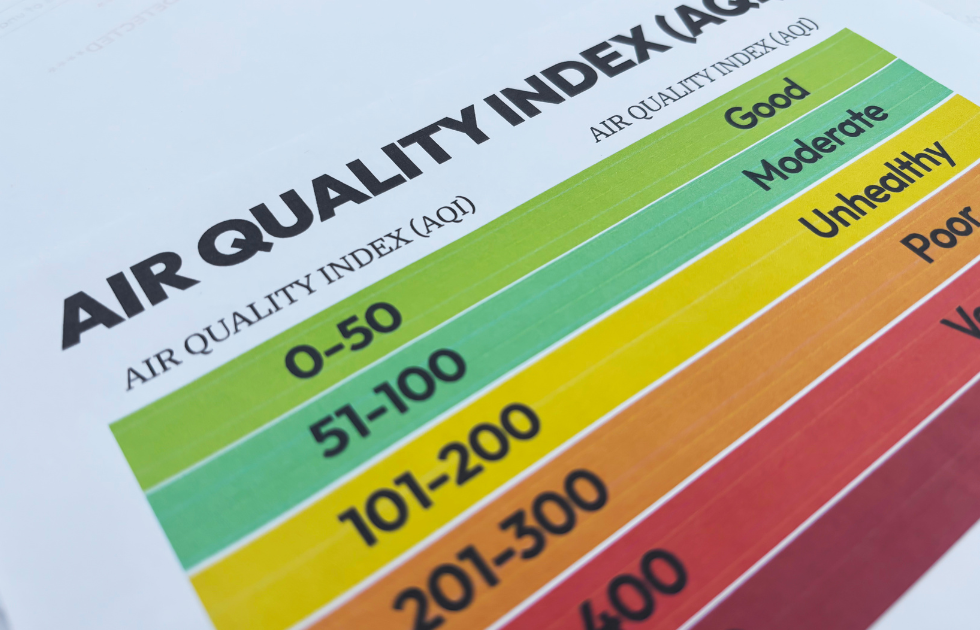
- Monitor your local Air Quality Index, or AQI, before spending time outside
- An AQI above 100 warrants caution for sensitive groups
- Above 150 warrants caution for everyone
Make Your Home a Refuge When the Air Outside Isn't
You can't control what's happening outside. You can control what the air feels like inside.
An air purifier with true HEPA filtration is the most direct step you can take on a poor air quality day. If comfort is the issue alongside air quality, a humidifier or dehumidifier helps dial in the indoor environment so sealed-up doesn't have to mean stuffy.
Ready to Breathe Easier?
Browse our full selection of air purifiers, humidifiers, and dehumidifiers to find the right fit for your space.