Not All “DIY” Mini-Splits Are Actually DIY: What to Watch For
Share
DIY mini-split systems have become more popular for homeowners looking to install their own cooling.
But not every system labeled“DIY” is actually designed for a true do-it-yourself install.
In many cases, buyers don’t realize the difference until they’re halfway through the process and run into a step that requires specialized tools or HVAC experience.
Understanding what to look for before you buy can save time, money, and frustration.
What“DIY” Should Actually Mean
A true DIY mini-split system should be installable using standard homeowner tools, without requiring specialized HVAC equipment.
That means:
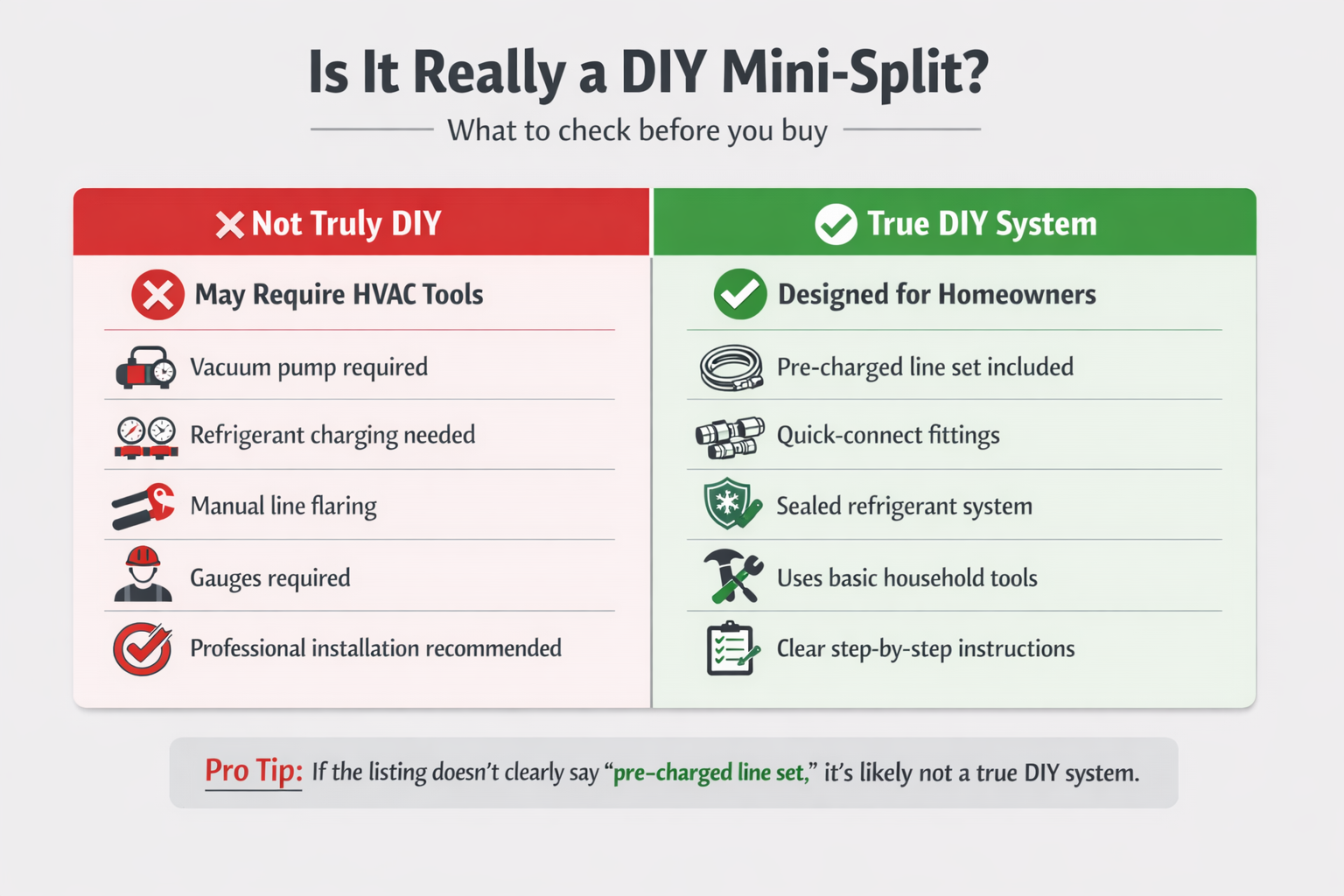
No vacuum pump
No refrigerant handling
No gauges or charging
No licensed technician required
If any of those are needed, the system isn’t truly DIY.
The Most Common Misleading Claims
Some mini-split listings use the term“DIY” loosely. Here are a few things to watch for:
“Pre-charged unit”(but not the line set)
The system may be charged at the factory, but if the line set isn’t pre-charged, you’ll still need to vacuum and charge the system during installation.
“Quick install” or“easy install” language
These phrases don’t always mean DIY. They often still require HVAC tools and technical steps.
No mention of installation tools
If the listing doesn’t clearly say what tools are required, that’s a red flag.
Fine print about professional installation
Some listings still recommend or require a licensed technician, even if the product is marketed as DIY.
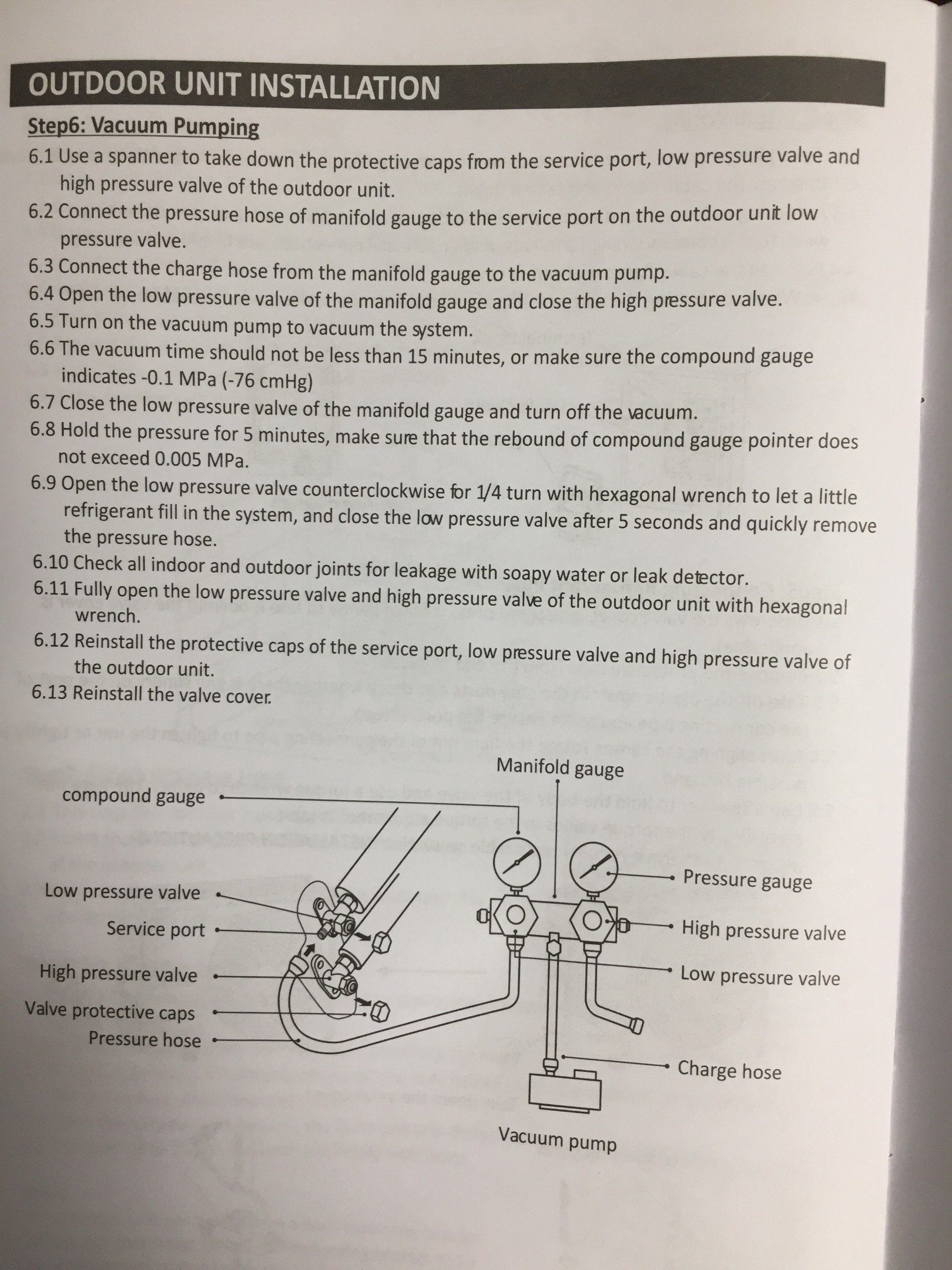
If the user manual mentions a vacuum pump or instructions for how to evacuate the line set, it’s not DIY.
What Makes a Mini-Split Truly DIY
A true DIY mini-split system is designed to simplify the entire installation process, not just parts of it. Here’s what to look for and why it matters.
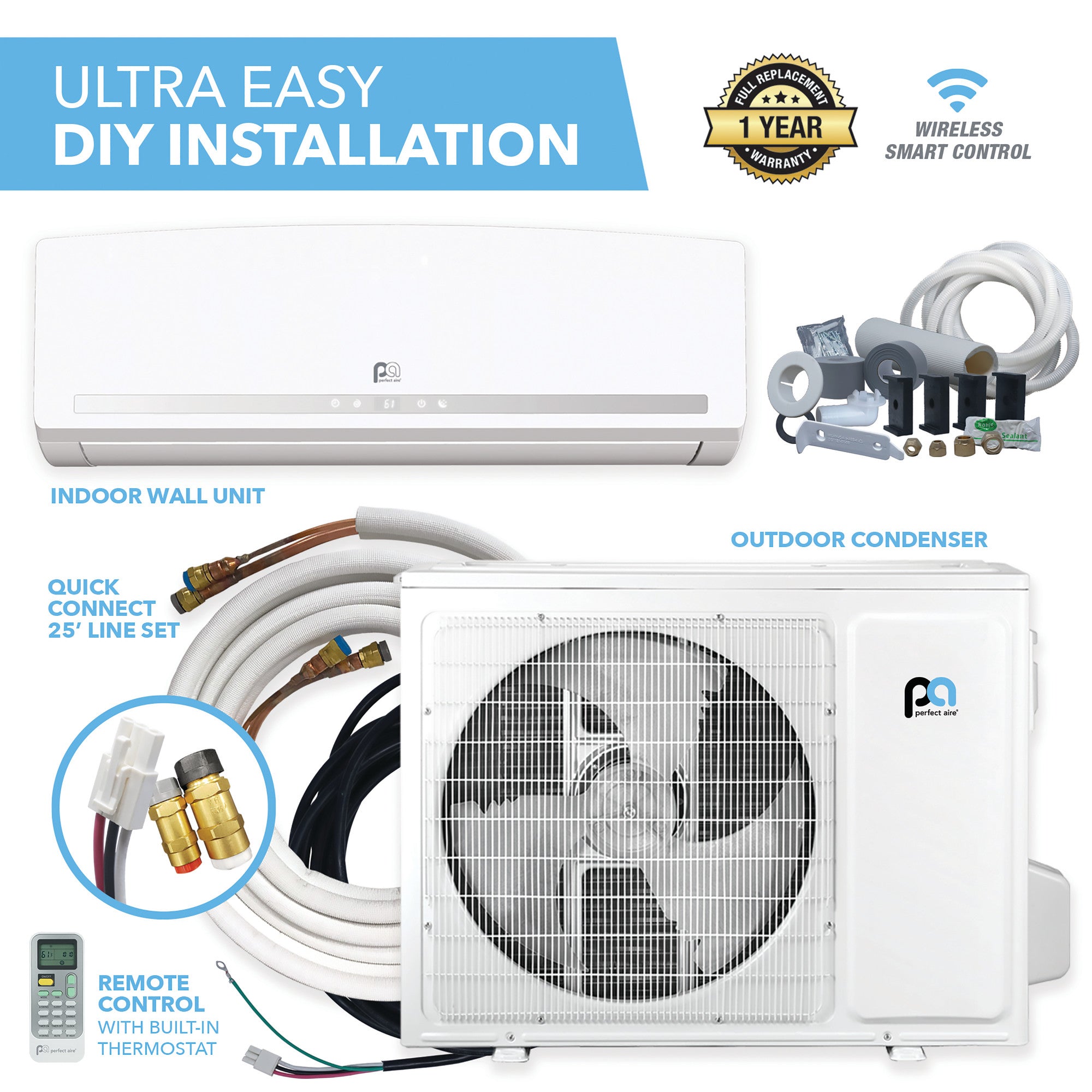
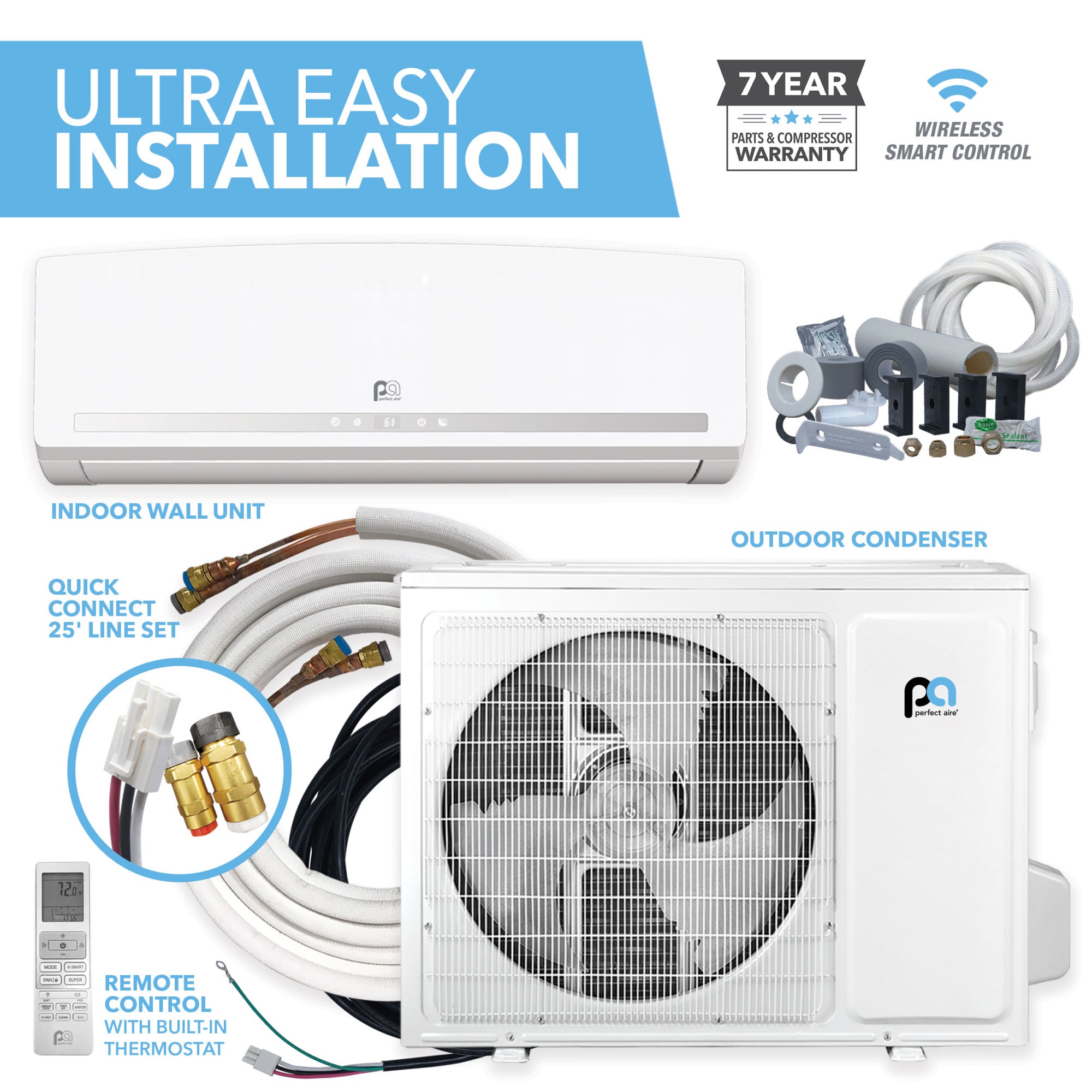
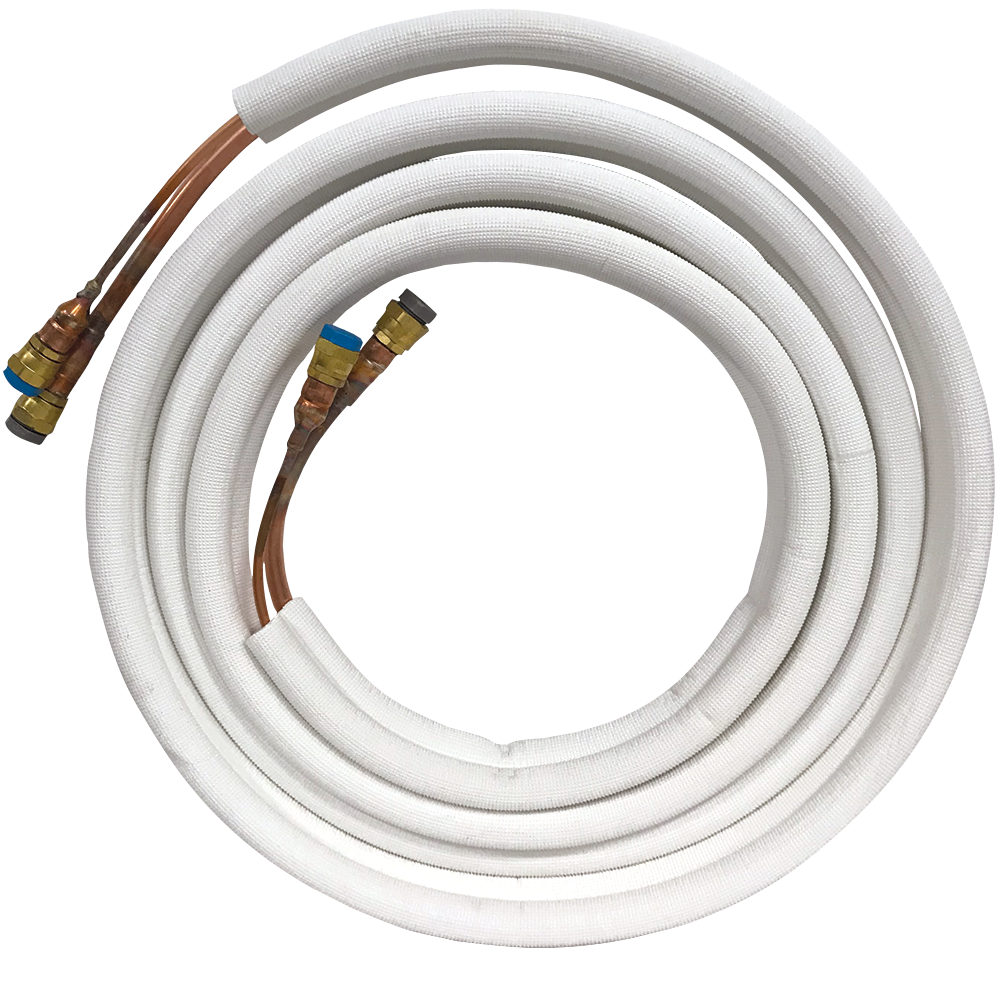
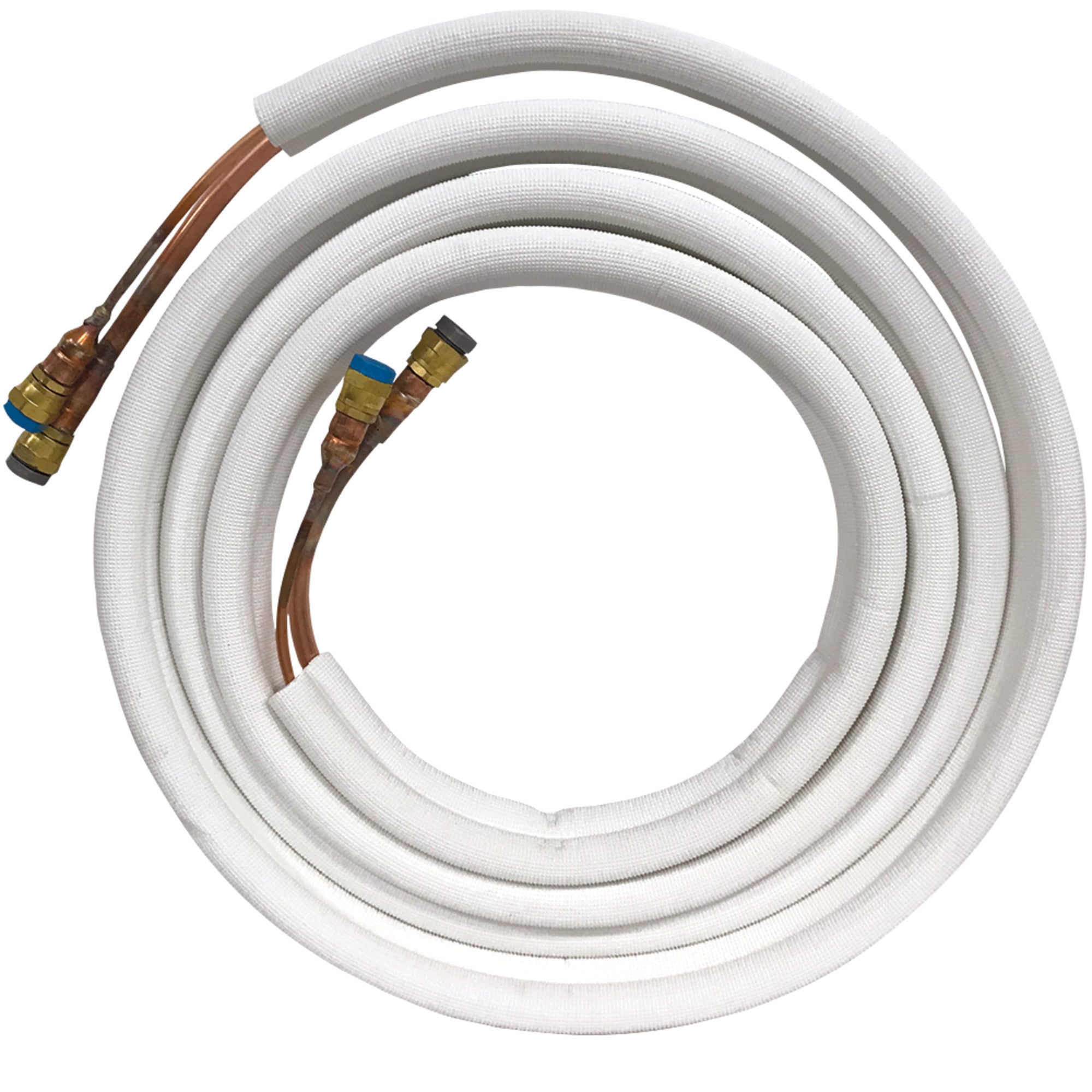
Pre-Charged Line Sets
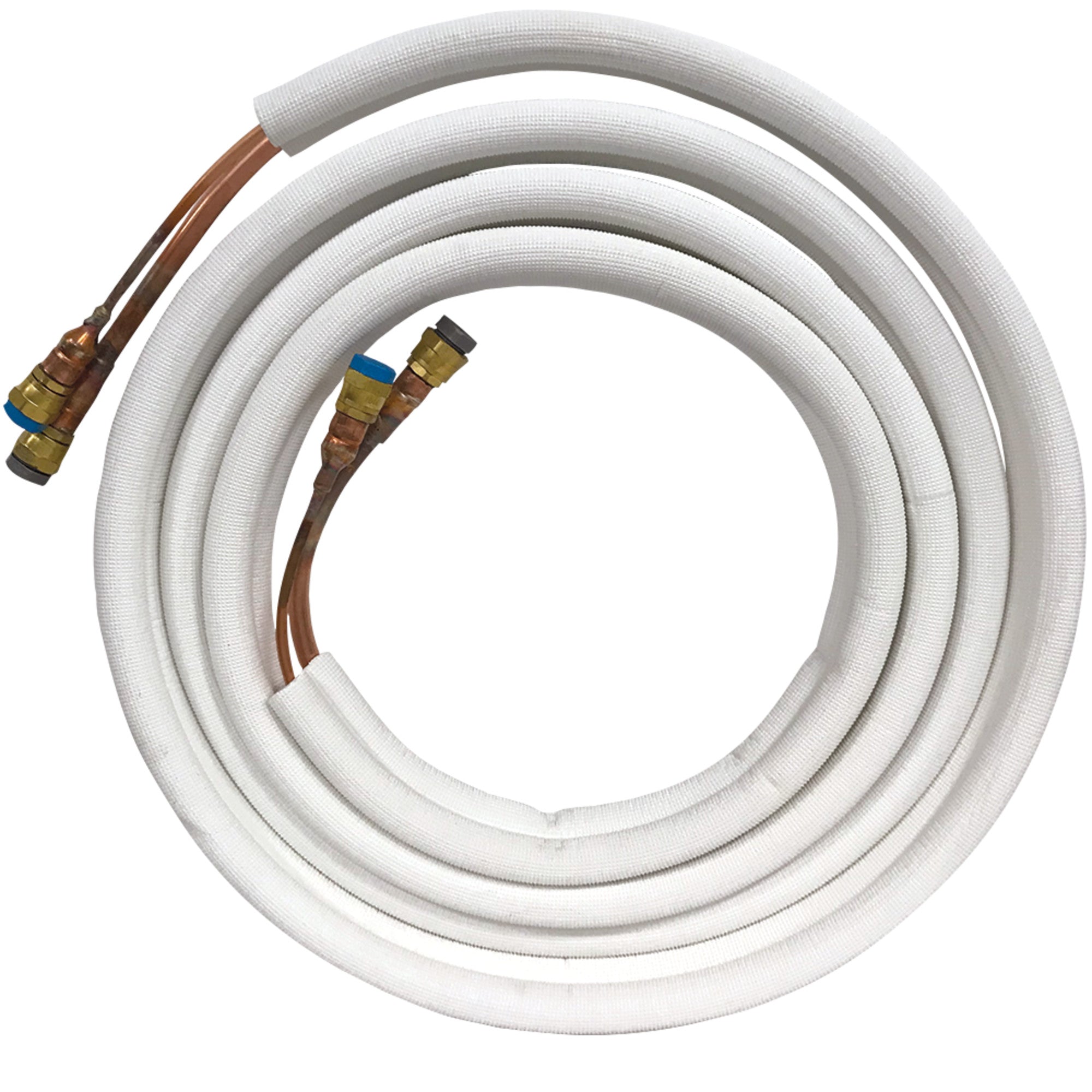
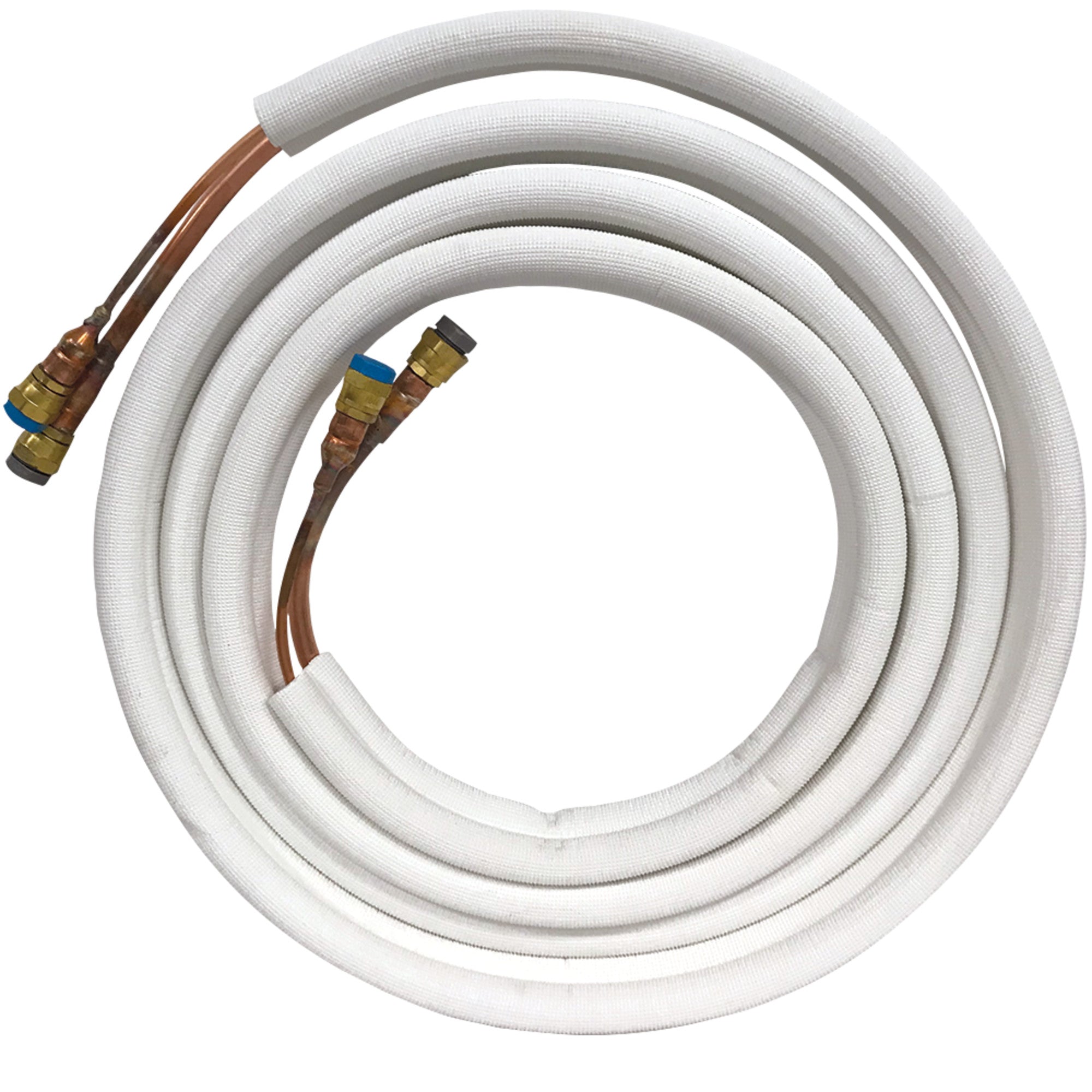
These line sets come filled with refrigerant and sealed from the factory.
Why it matters:
This eliminates the need to vacuum the system or handle refrigerant during installation. Without this, you’ll need specialized tools and training to properly prepare the system before use.
Quick-Connect Fittings
These fittings are designed to connect the indoor and outdoor units by simply tightening the threaded connections, without manual refrigerant handling.
Why it matters:
Traditional systems require flaring lines, braising connections, setting the refrigerant levels to exact specifications, and ensuring there are no leaks. Pre-charged line sets with quick-connect fittings simplify this step and reduce the risk of installation errors.
Sealed Refrigerant Connections
The system remains sealed throughout the installation process.
Why it matters:
Opening a refrigerant system introduces the risk of contamination, leaks, and improper charging. A sealed system avoids these issues and removes the need for gauges and vacuum pumps.
Uses Basic Household Tools
A true DIY system should be installable with tools most homeowners already have.
Why it matters:
If a system requires specialized HVAC tools, it adds cost, complexity, and often the need for professional help. Systems designed for basic tools keep the project accessible and manageable.
Clear, Homeowner-Focused Instructions
The installation process should be clearly outlined for someone without HVAC experience.
Why it matters:
Even a well-designed system can become difficult if the instructions assume technical knowledge. Good documentation helps ensure the install goes smoothly from start to finish.
Choosing the right system upfront can make the difference between:
a one-day install
a project that requires additional tools, time, or outside help
thousands of dollars in unplanned installation costs
For homeowners planning to install their own system, knowing what to look for helps avoid unexpected delays and extra costs.
Before you buy, take a closer look at what’s included and what’s required. A few details in the product listing or user manual can tell you a lot about how the installation process will actually go.
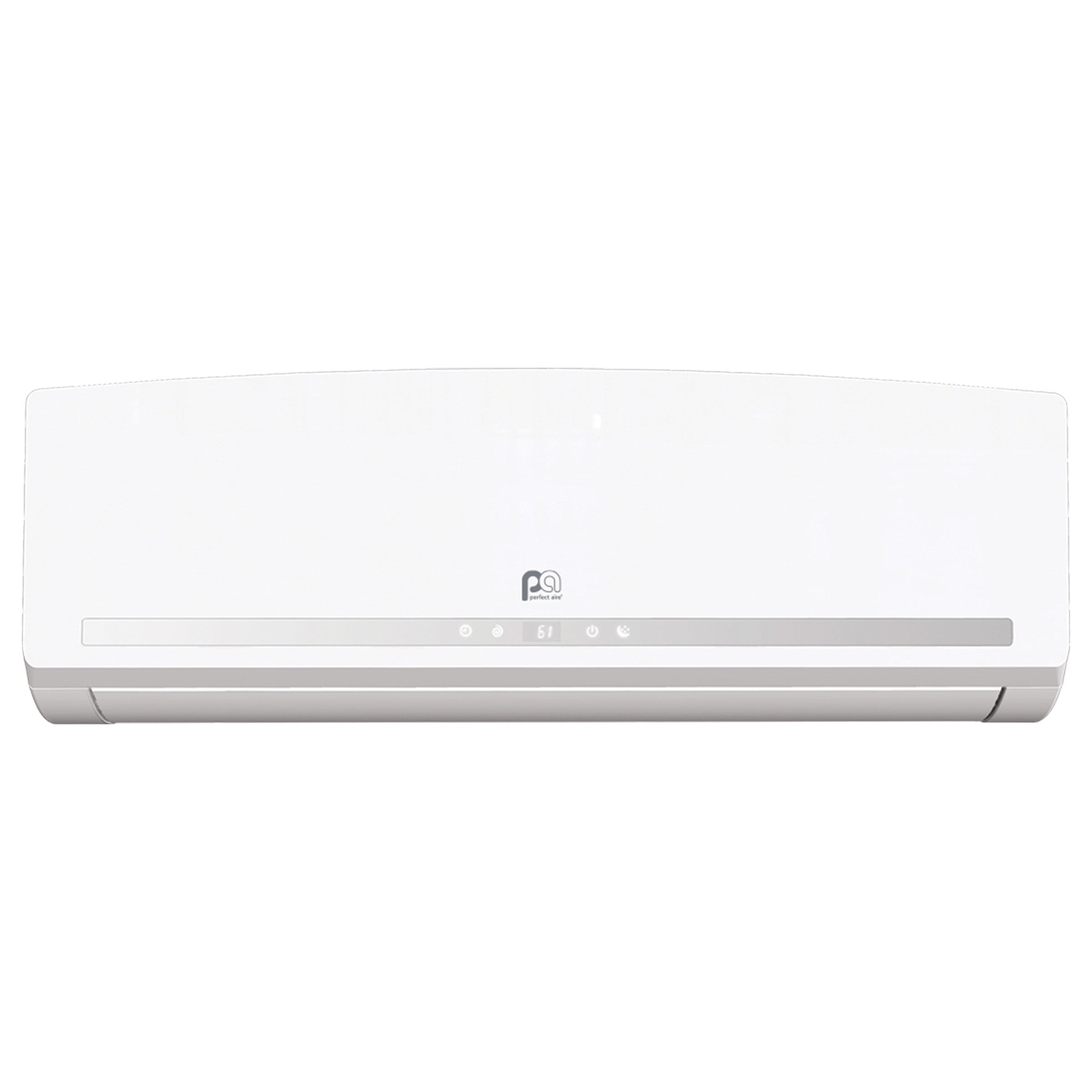
At The HVAC Spot, we sell Perfect Aire DIY mini-split systems built for homeowners, with pre-charged line sets and quick-connect fittings that eliminate the need for specialized HVAC tools. If you’re planning your own installation, make sure you’re choosing a system that’s designed to make it possible.