Spring Isn’t Automatically Humid
Once the calendar flips to spring, most homeowners assume humidifier season is over. Winter dryness fades, windows start opening, and it feels like moisture should naturally return to the air.
But early spring doesn’t always cooperate.
Cold nights still trigger heating systems. Warm afternoons create swings in indoor conditions. Allergy season ramps up. And depending on where you live, your home can still feel just as dry in March as it did in January.
So the real question isn’t “Is it spring?”
It’s: Is your indoor air still dry?
Let’s break down when it makes sense to keep your humidifier running — and when it’s time to turn it down or off.
What Happens to Indoor Humidity in Spring?
Spring weather is unpredictable. One day it’s warm and humid. The next night it drops into the 40s and your heat kicks back on. That fluctuation can throw your indoor humidity off balance.
Here’s why:
- Cool nights + heating use can dry indoor air quickly.
- Rainy days increase outdoor humidity, but your home may still feel dry inside.
- Shoulder-season HVAC use means systems cycle differently than they do in peak winter or summer.
Many homeowners assume humidity problems end when winter does. In reality, spring is a transition season. Your home may still dip below the ideal indoor humidity range of 30–50%, especially if you’re still running heat occasionally.
Low humidity in spring often shows up as:
- Dry skin
- Scratchy throat
- Static
- Worsened allergy irritation
Home comfort isn’t always about adding more heat or cooling. Sometimes it’s about restoring moisture balance.
Can a Humidifier Help with Spring Allergies?
It can — if you use it correctly.
Spring allergies are usually triggered by pollen, but dry indoor air can make symptoms feel worse. When your nasal passages are dry and irritated, they’re more sensitive to allergens.
Maintaining indoor humidity between 30–50% can:
- Keep nasal passages from drying out
- Help reduce throat irritation
- Support better sleep
- Make breathing feel more comfortable overnight
That said, more humidity is not better. If levels rise above 50%, you risk encouraging dust mites or mold growth, which can make allergy symptoms worse.
The goal is balance. A properly sized humidifier, used with a humidity monitor, helps you stay in that safe zone.
When Using a Humidifier in Spring Makes Sense
Spring isn’t automatically humid. In many regions, indoor air still runs dry, especially at night or during temperature swings. Here’s when using a humidifier still makes sense:
Your heat is still kicking on at night.
Even if daytime temps are mild, cool evenings often trigger the furnace. Heated air dries out quickly, which can leave bedrooms feeling uncomfortable by morning.
Allergy symptoms feel worse indoors.
Dry air can irritate nasal passages and sinuses, making seasonal allergies feel more intense. Maintaining indoor humidity between 40–50% can help keep airways more comfortable.
Your home feels dry even if it’s not cold.
Static shocks, dry skin, scratchy throat, or wood furniture pulling moisture are all signs your indoor humidity may still be low.
You’re using a mini-split or other ductless system.
Mini-splits manage temperature very efficiently, but they don’t add moisture to the air. If indoor humidity dips too low, adding controlled moisture can improve overall comfort.
The key is balance. Spring use isn’t about running a humidifier nonstop. It’s about maintaining healthy humidity levels when your home needs it.
When Should You Stop Using a Humidifier?
A humidifier is helpful when the air is dry. It’s not helpful when moisture is already high.
Here’s when you can likely skip it:
Indoor humidity is already between 30–50%.
If your home is in the healthy range, adding more moisture can lead to condensation on windows, damp smells, or mold risk.
You live in a consistently humid climate.
In many southern or coastal regions, spring air is naturally moist. In those cases, you may actually need dehumidification instead.
You notice condensation on windows or walls.
That’s a sign humidity is too high, not too low. Adding more moisture will only make it worse.
Your home feels sticky, not dry.
If the air feels heavy, clammy, or uncomfortable, a humidifier isn’t the solution.
The goal is comfort and balance. If humidity is already where it should be, let your HVAC system handle temperature and leave the moisture alone.
Should You Run a Humidifier With a Mini-Split in Spring?
Yes — in the right conditions.
Mini-splits do not inherently dry the air like a furnace does, but during cool spring nights or in homes that are still running heat occasionally, indoor humidity can dip lower than you think.
Mini-splits are designed to manage temperature efficiently. A humidifier supports comfort by managing moisture levels alongside it. When both are balanced, your home feels more stable and comfortable without constantly adjusting the thermostat.
This is especially helpful in:
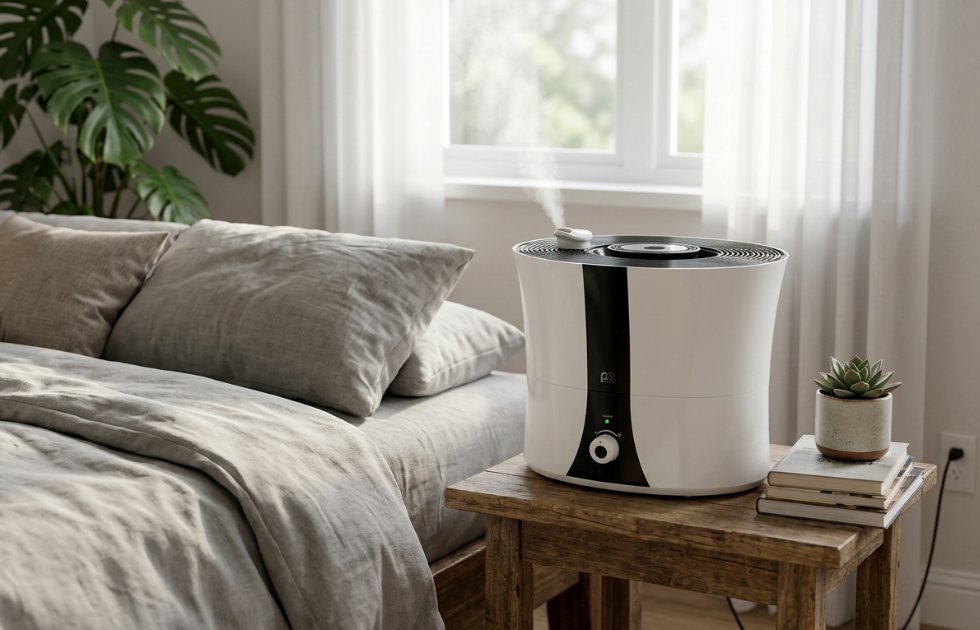
- Bedrooms
- Home offices
- Finished attics or bonus rooms
- Homes with tight insulation or newer construction
Used together, a mini-split controls the temperature, and a humidifier fine-tunes the feel of the air.
Spring comfort is about precision, not just heating or cooling.
Final Thoughts: It’s About Balance, Not the Calendar
A humidifier isn’t just a winter appliance. It’s a comfort tool.
If your home still feels dry in spring, running a humidifier can help ease irritation, improve sleep, and support overall comfort. If humidity is already balanced, you can give it a break. The key is paying attention to how your home feels, not just what the season says.
Spring is a transition month. Your HVAC system is adjusting. Your comfort strategy can adjust too.
Whether you’re fine-tuning humidity or upgrading your heating and cooling setup, the goal is the same: balanced, predictable comfort.
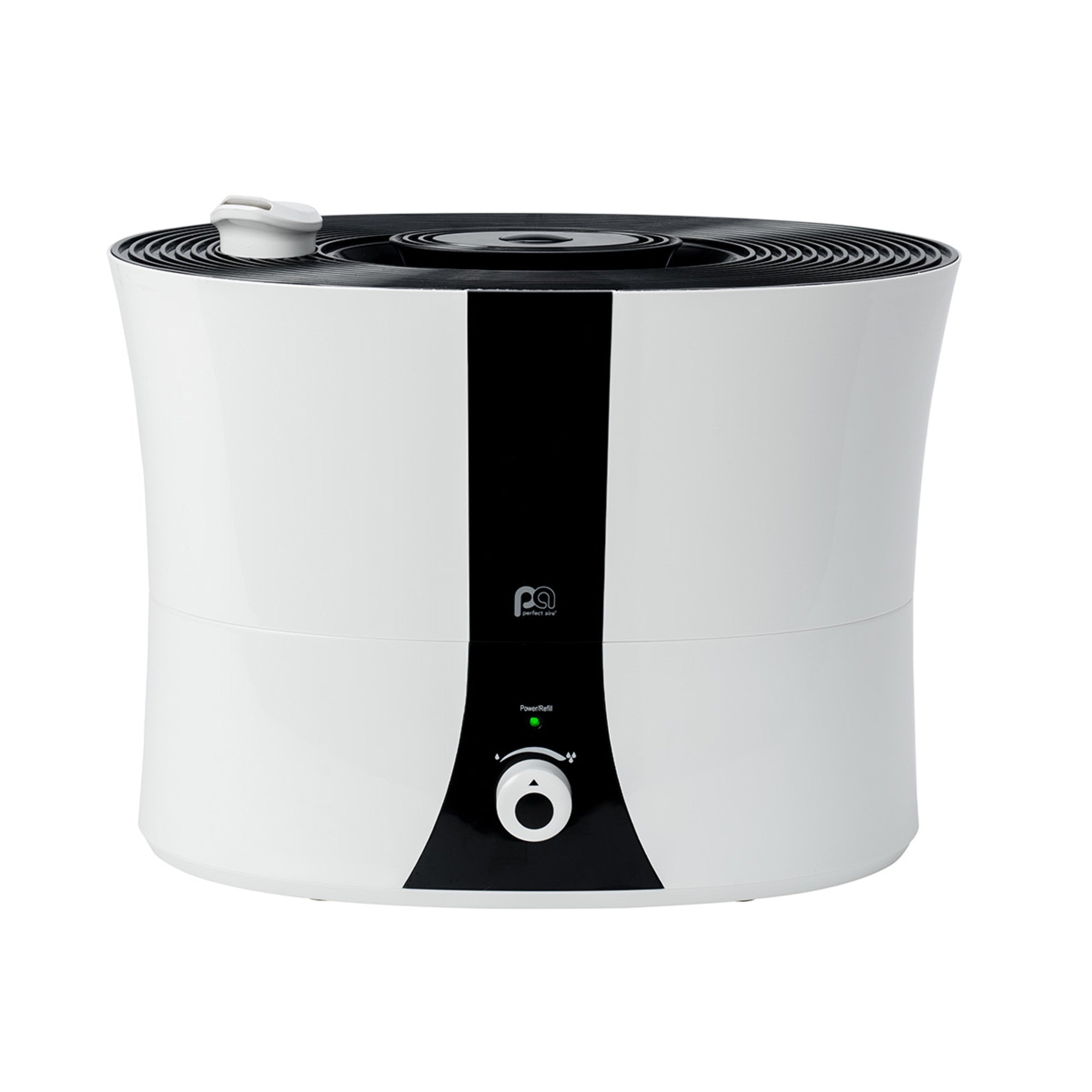
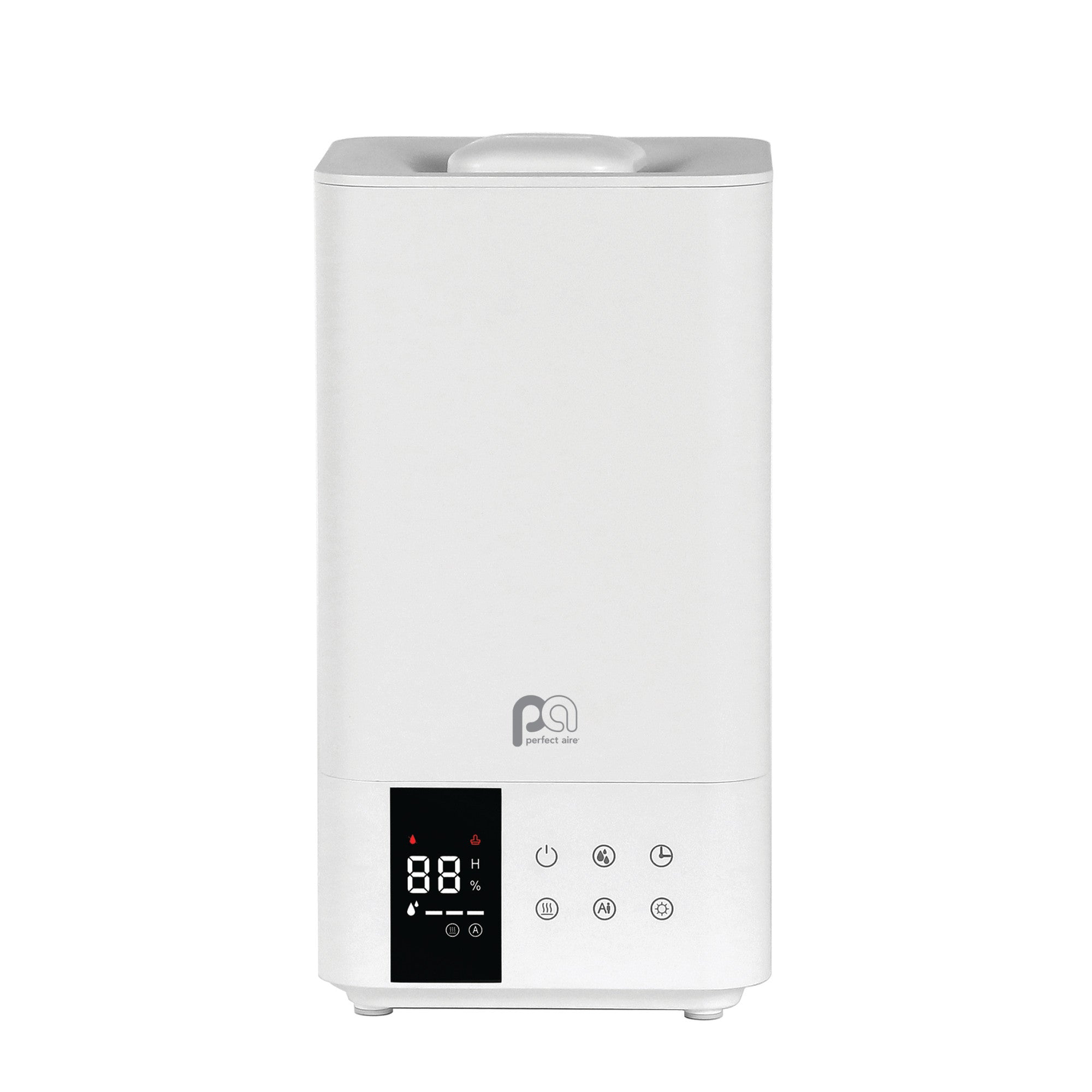
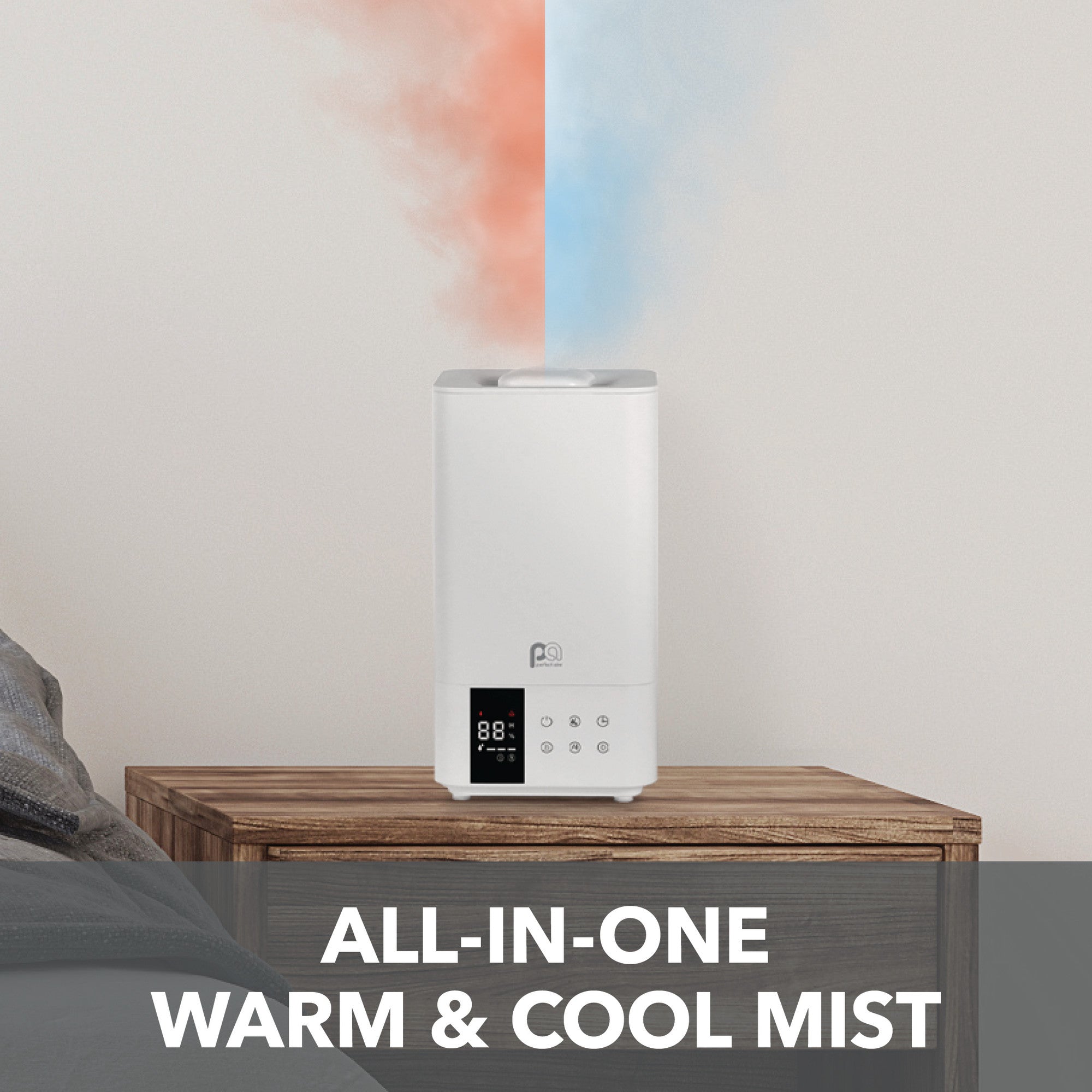
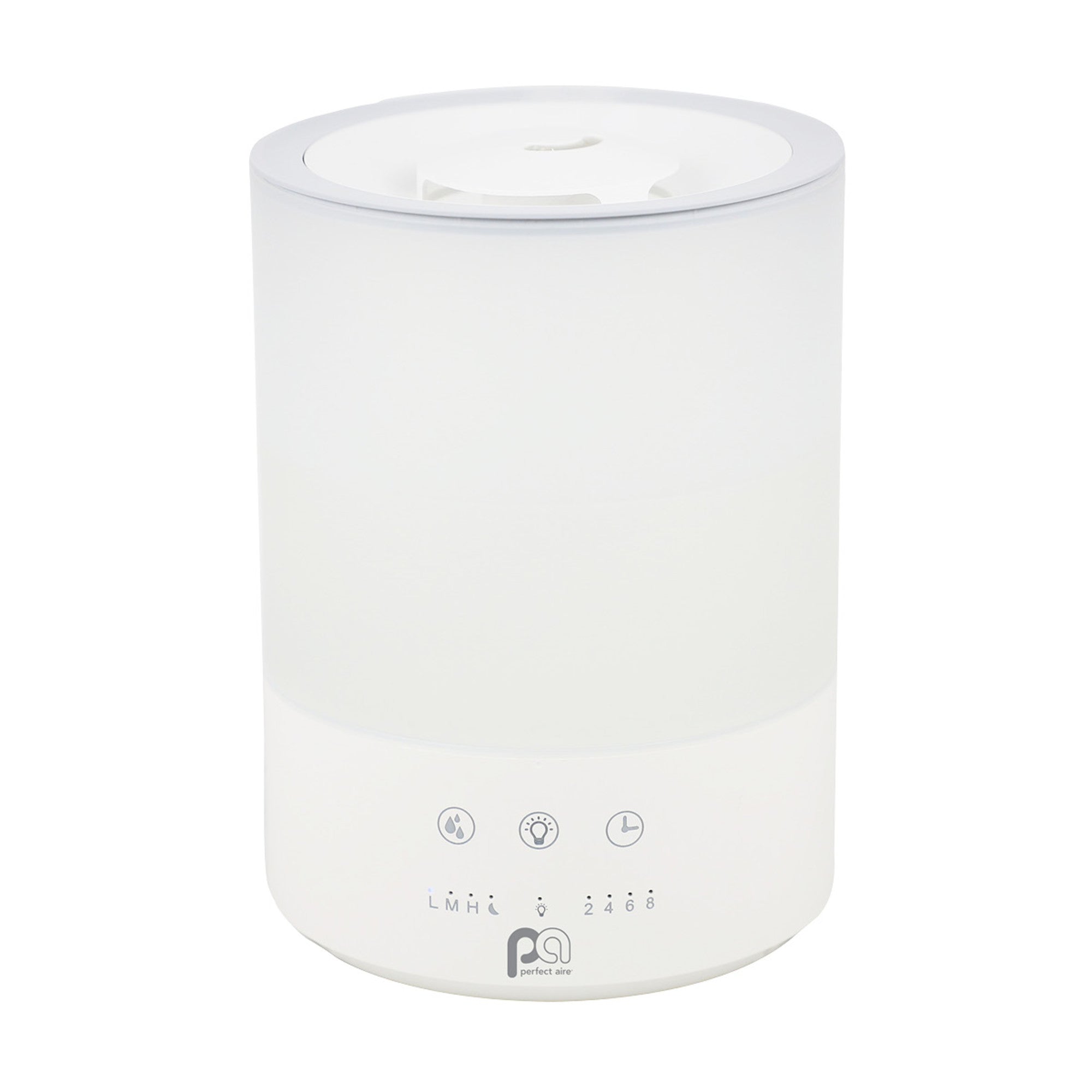
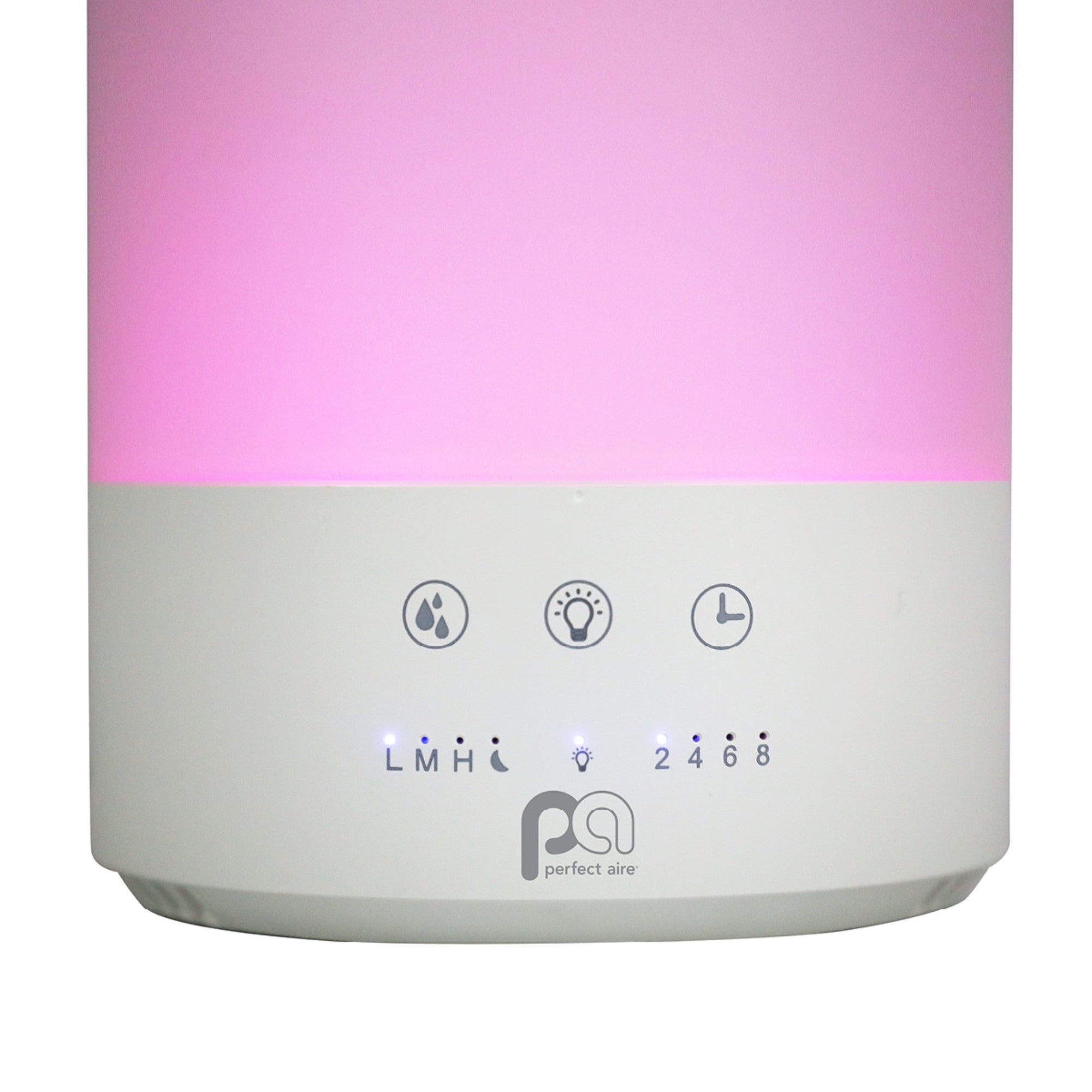
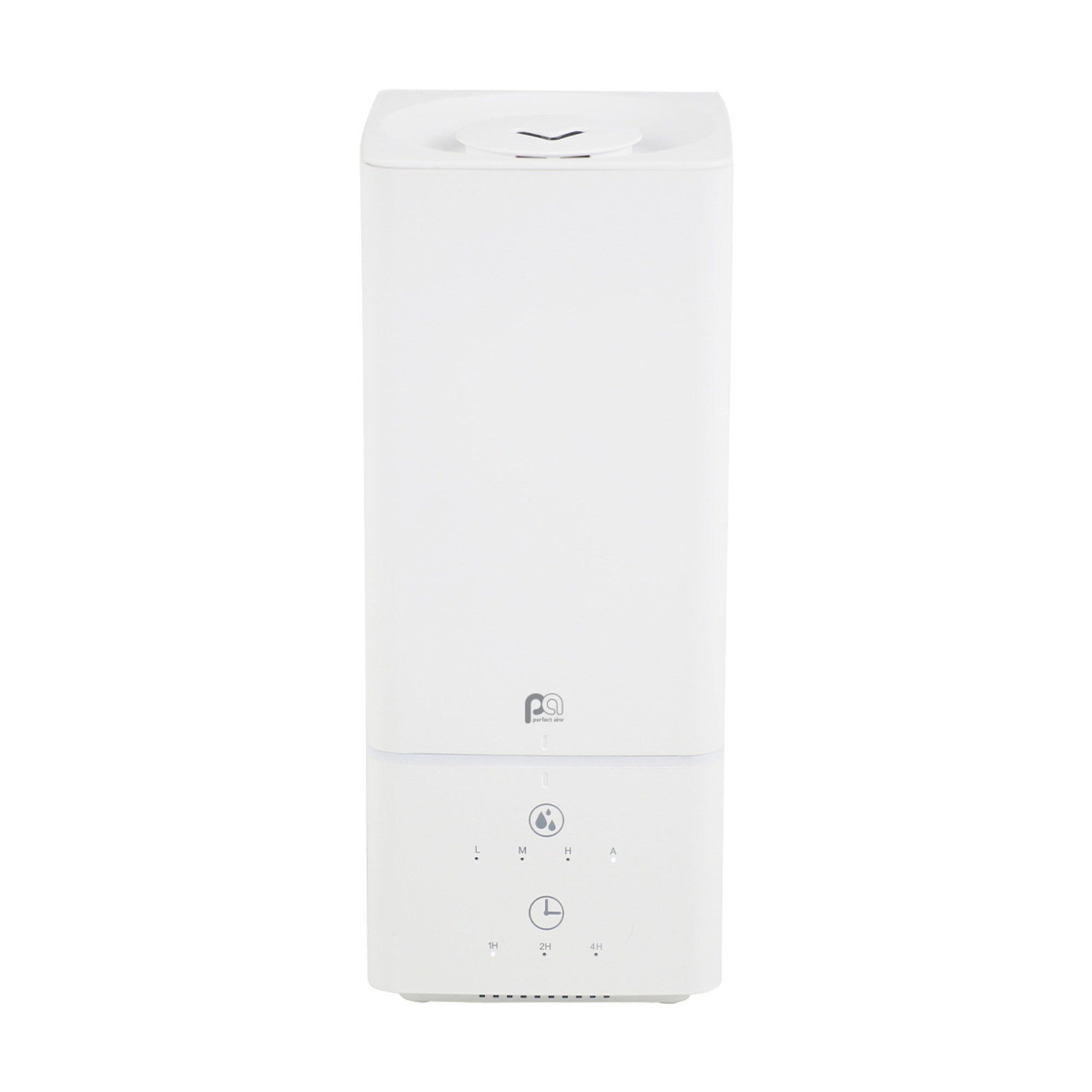
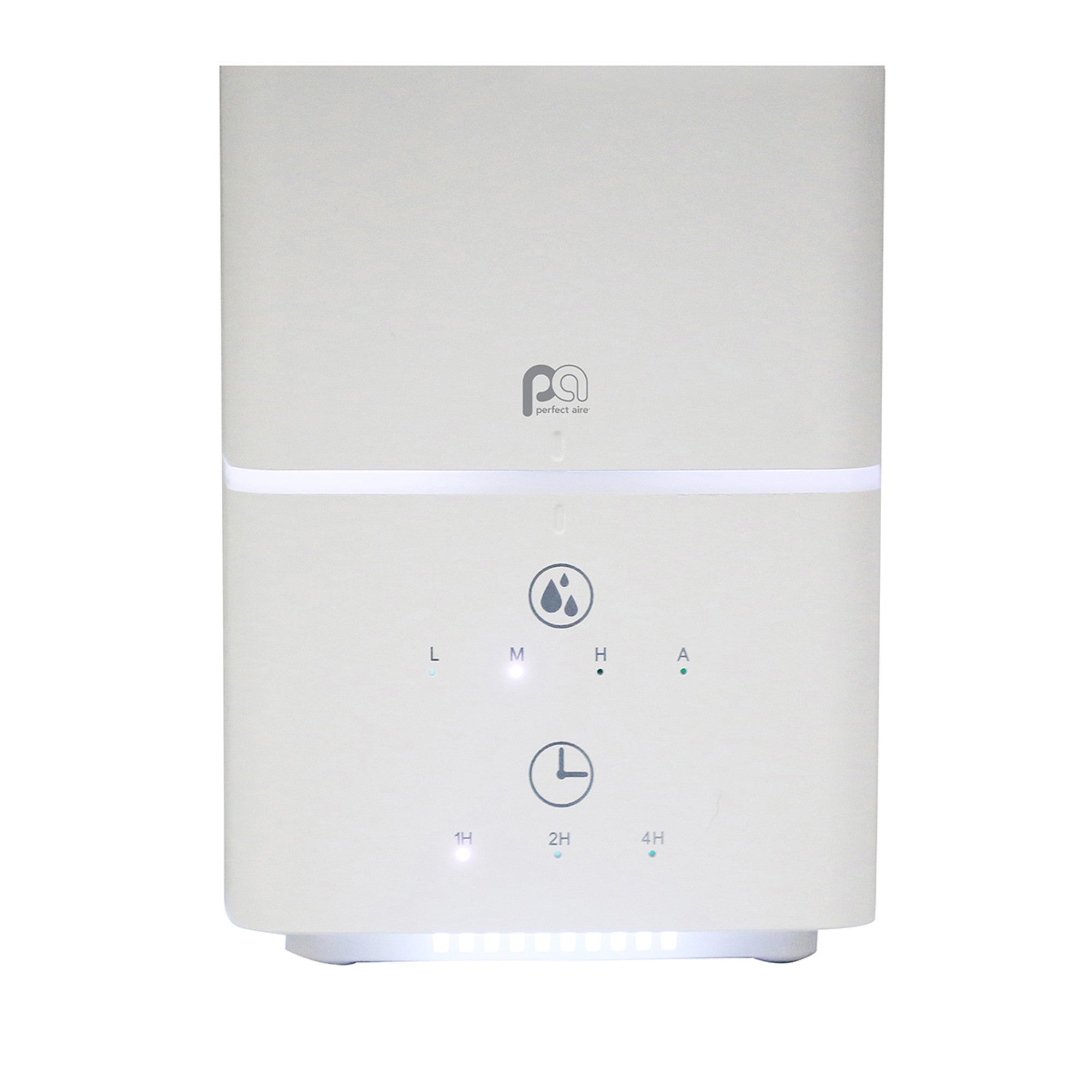
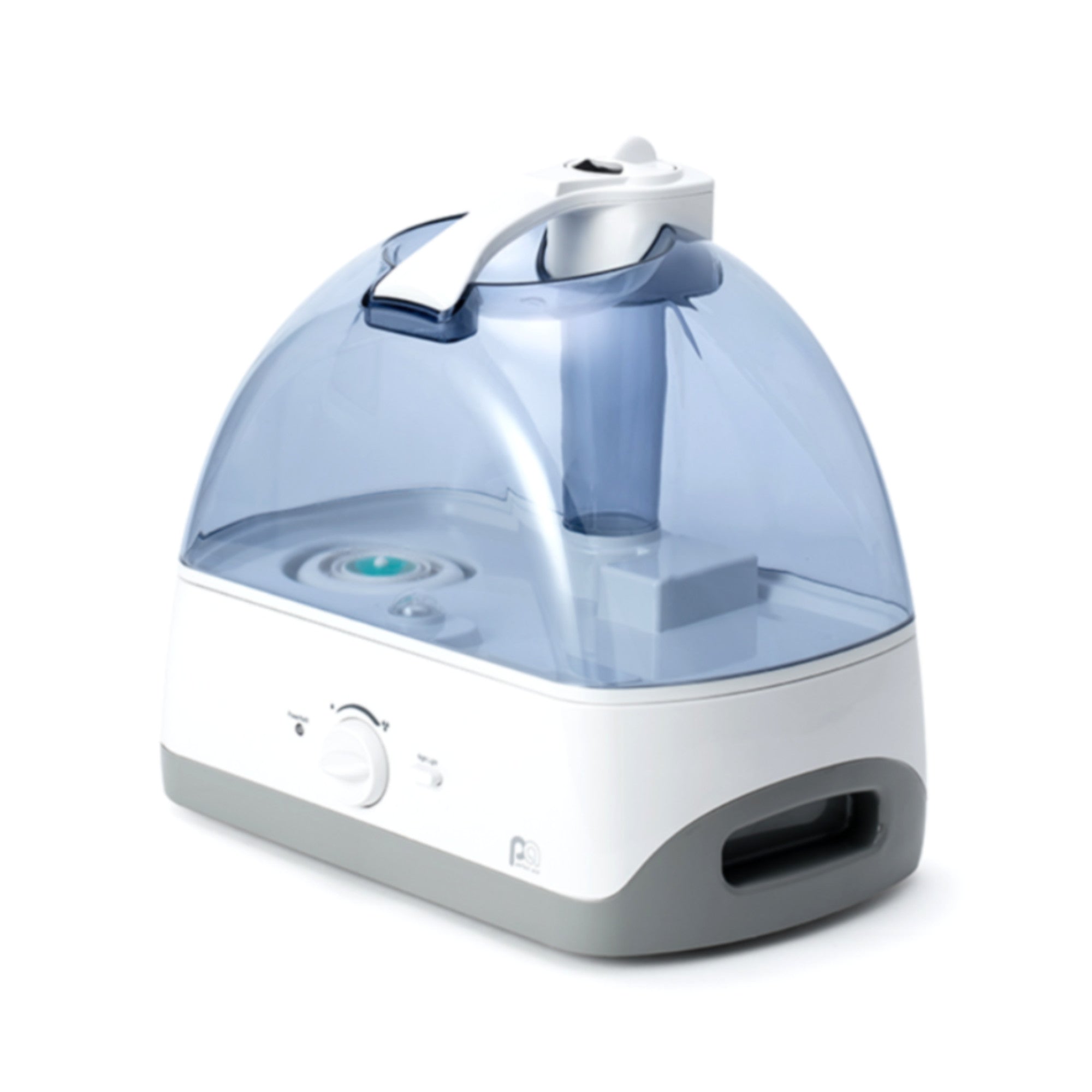
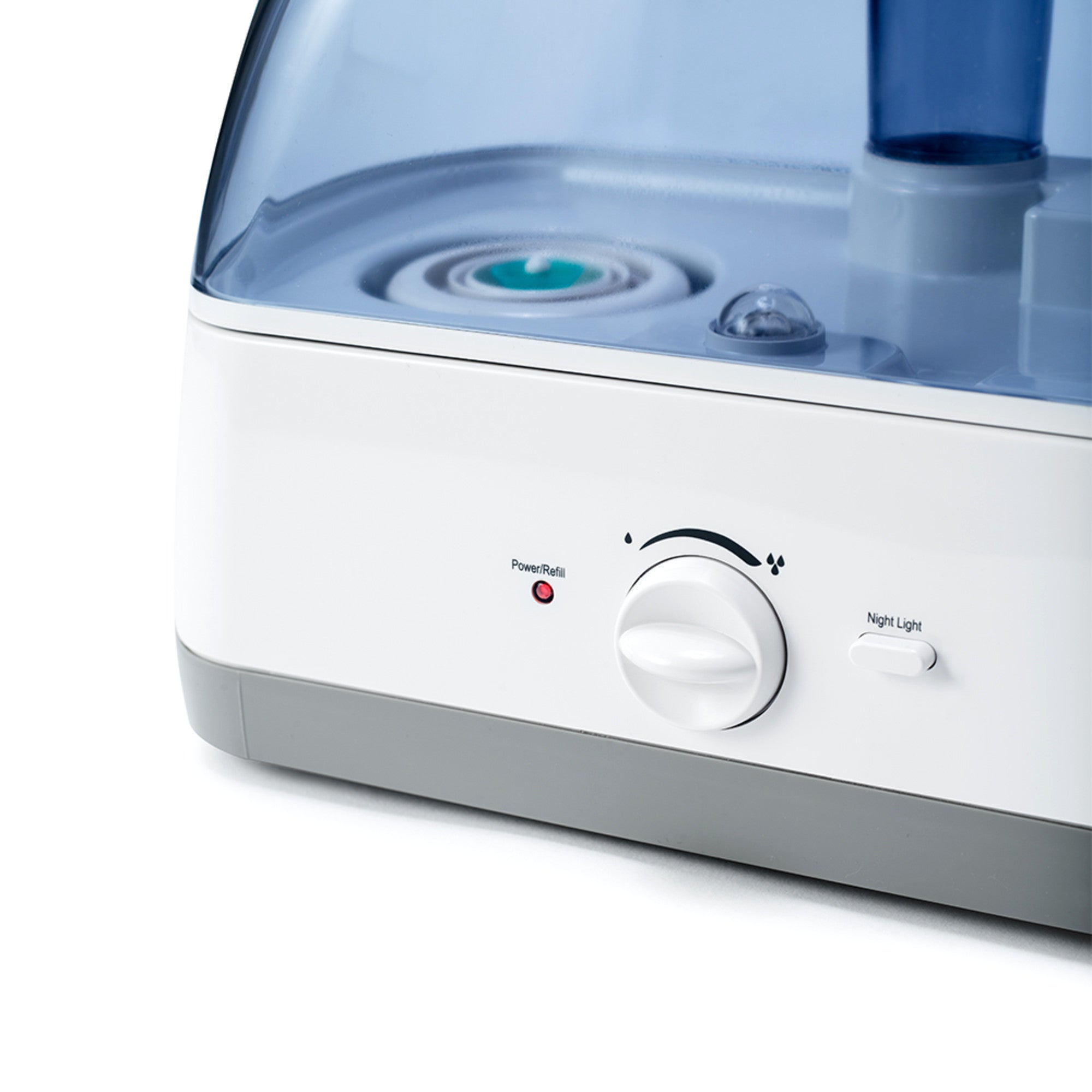
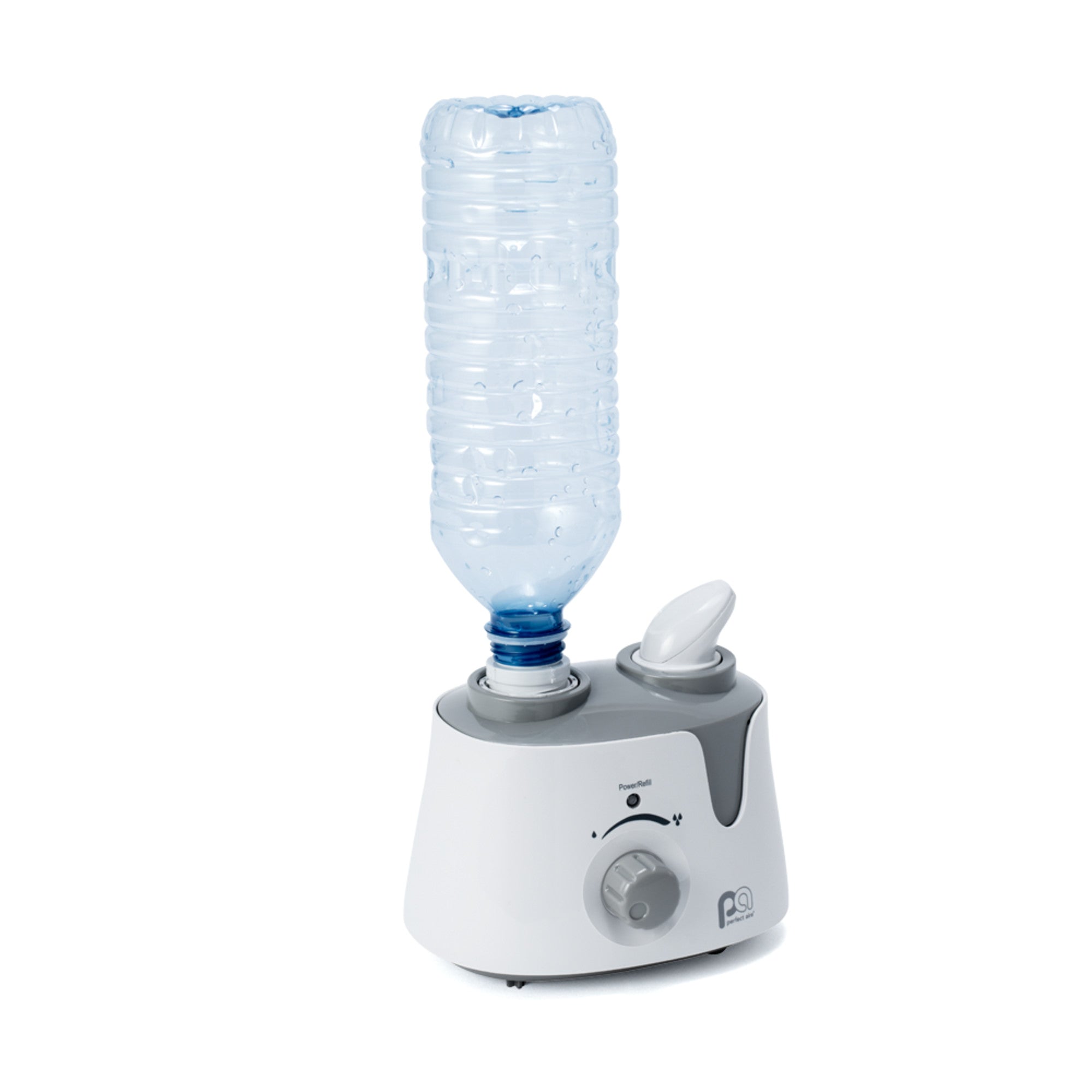
Explore our selection of cool mist and travel humidifiers for targeted moisture control, or browse our mini-split systems to take full control of your home’s temperature room by room.
At The HVAC Spot, we make it simple to upgrade your comfort — on your timeline, and on your terms.