
The first fall in a new home has a way of surfacing things you didn't know you didn't know.
The room above the garage that nobody warned you about. The basement that smells a little off after a rainy week. The guest room that the central system never quite reaches. The PTAC unit in the spare room that looks like it survived a previous administration.
None of these are emergencies. They're just the normal discoveries that come with owning a home and learning how it actually behaves. The good news is most of them have straightforward solutions, and fall is the right time to get ahead of them before cold weather makes everything feel more urgent than it needs to be.
Here's a practical checklist of comfort products worth having in place before winter arrives.

Quick Answer: What Comfort Products Should New Homeowners Have Before Winter?
At minimum, an air purifier for the rooms you use most, a humidifier for main living areas once heating season begins, and a dehumidifier if you have a basement. If any room in the house doesn't get reliable comfort from the central system, a DIY mini-split solves that permanently. If you have an exposed mini-split line set or a PTAC unit, a line set cover and a replacement grille are easy finishing touches that make a real difference in how the home looks and performs.
1. An Air Purifier for the Rooms You Use Most
When you move into a new home you inherit whatever was in the air before you arrived. Previous occupants, pets, renovation dust, paint fumes, adhesives, and years of accumulated particulates in carpets and ductwork all contribute to indoor air quality in ways that aren't always obvious at first.
Sealing the home up for fall traps all of that inside with you.
A true HEPA air purifier in the bedroom and main living area is one of the most practical first purchases for a new homeowner. It captures fine particulates including dust, pet dander, mold spores, and VOCs that accumulate in any home but are especially present in one you're just getting to know.
Look for a unit with a true HEPA filter, not HEPA-type or HEPA-style, and an activated carbon filter for odors. Match the unit's CADR rating to the square footage of the room you're running it in. A unit sized for 200 square feet won't keep up in an open-plan living area of 600 square feet.
While you're setting up, stock up on replacement filters too. A clogged filter reduces performance noticeably and it's the kind of maintenance task that's easy to forget until the unit stops working as well as it used to. Keeping a spare on hand means you're never caught running a unit past its effective life because you didn't get around to ordering one.
Browse our full selection of air purifiers and replacement filters to get started.

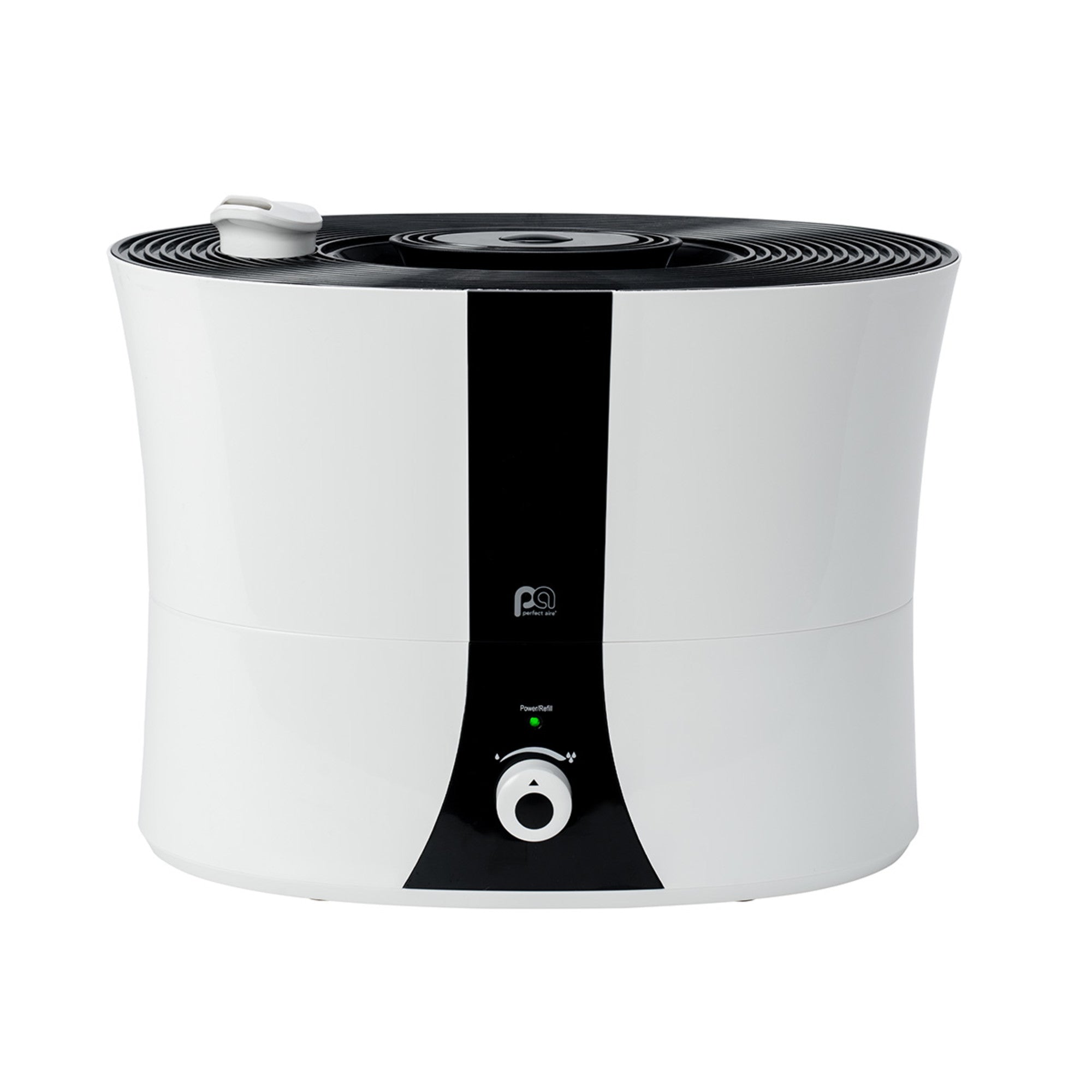
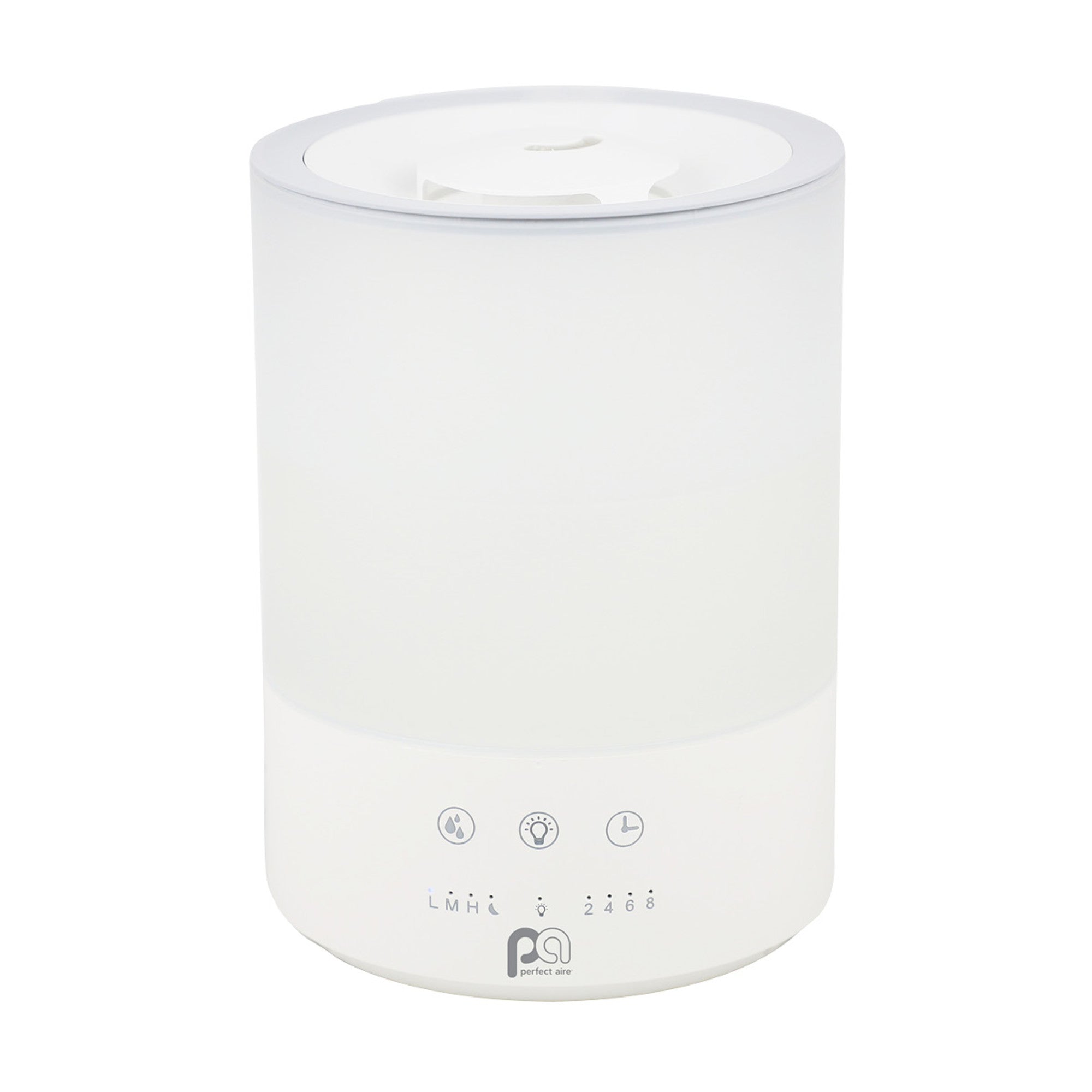
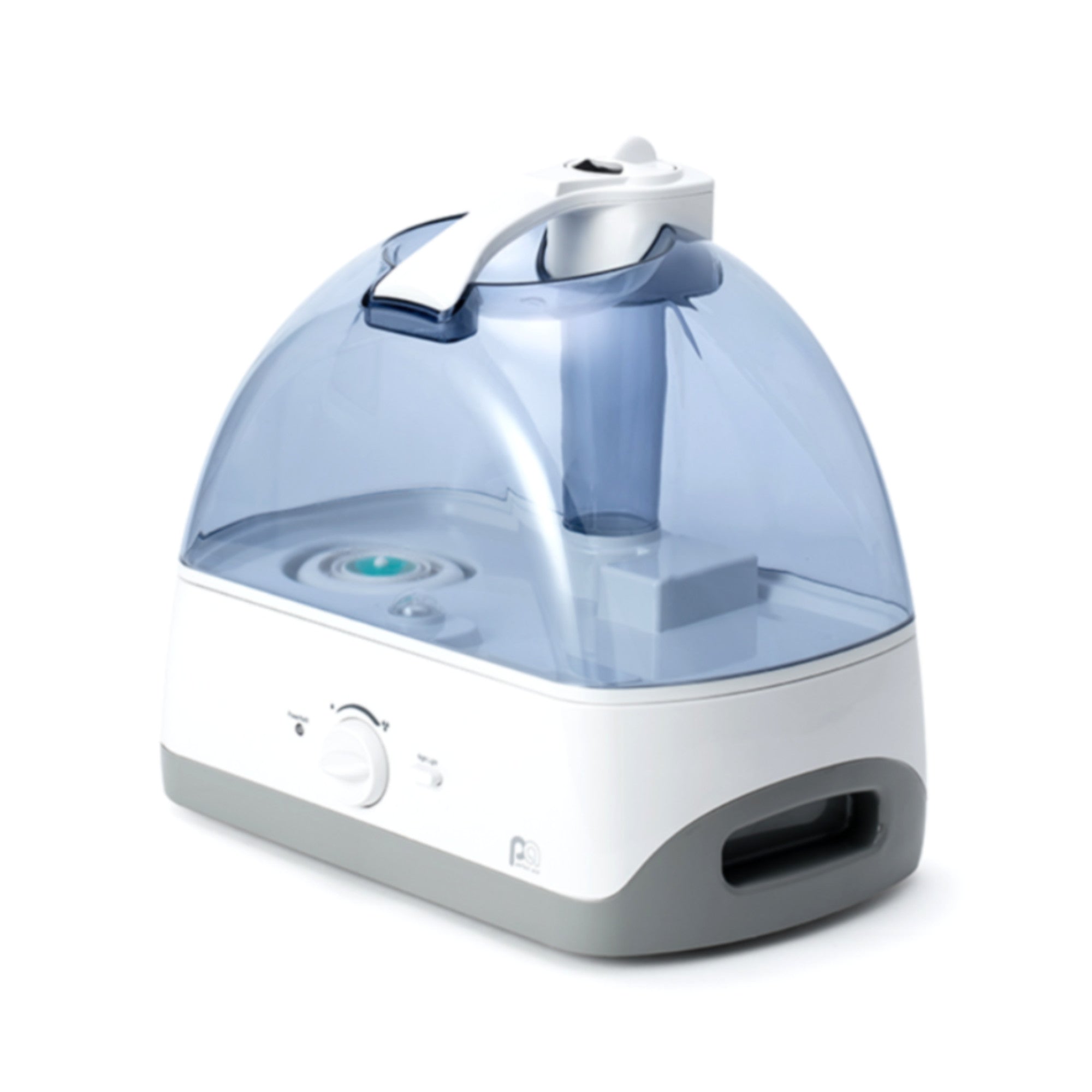
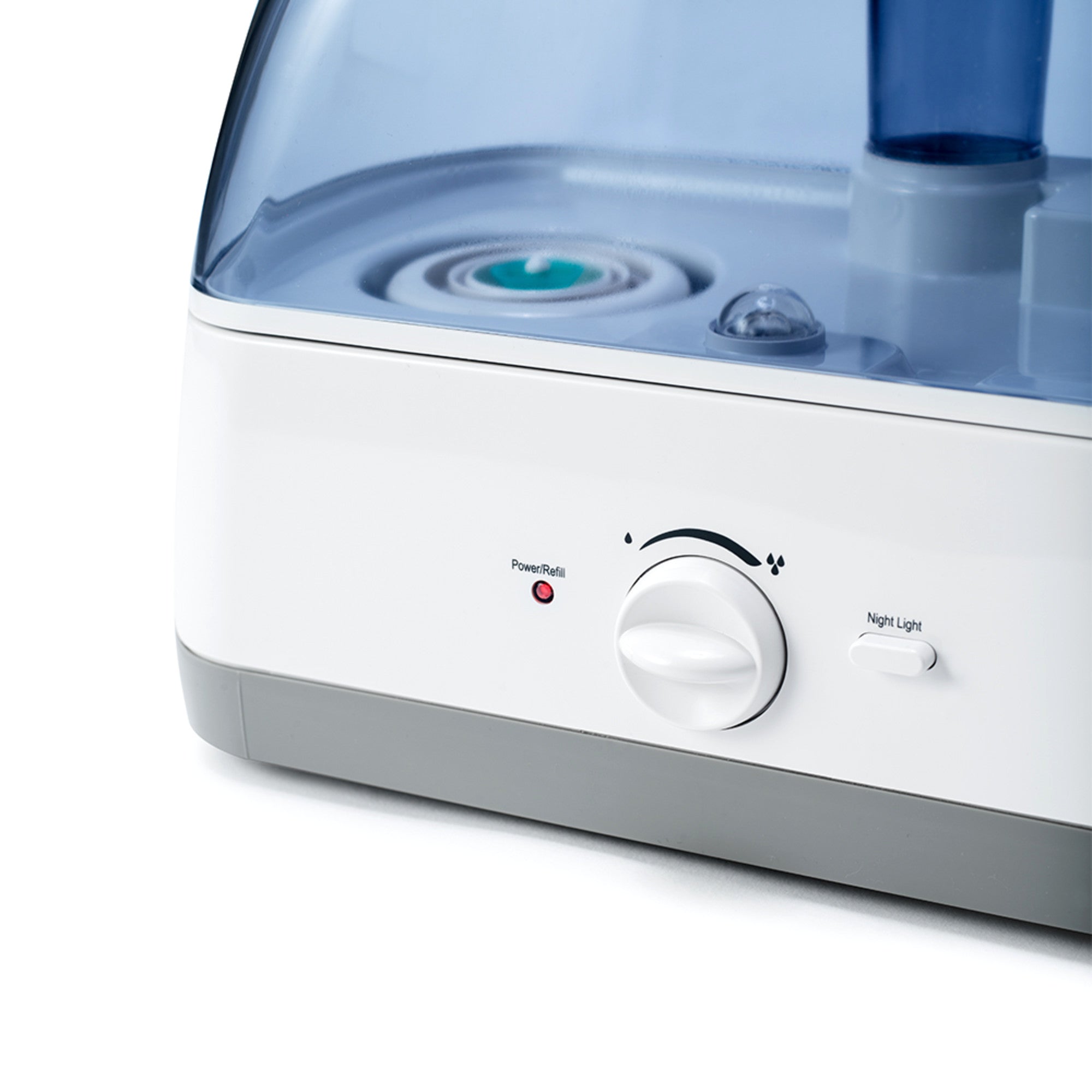
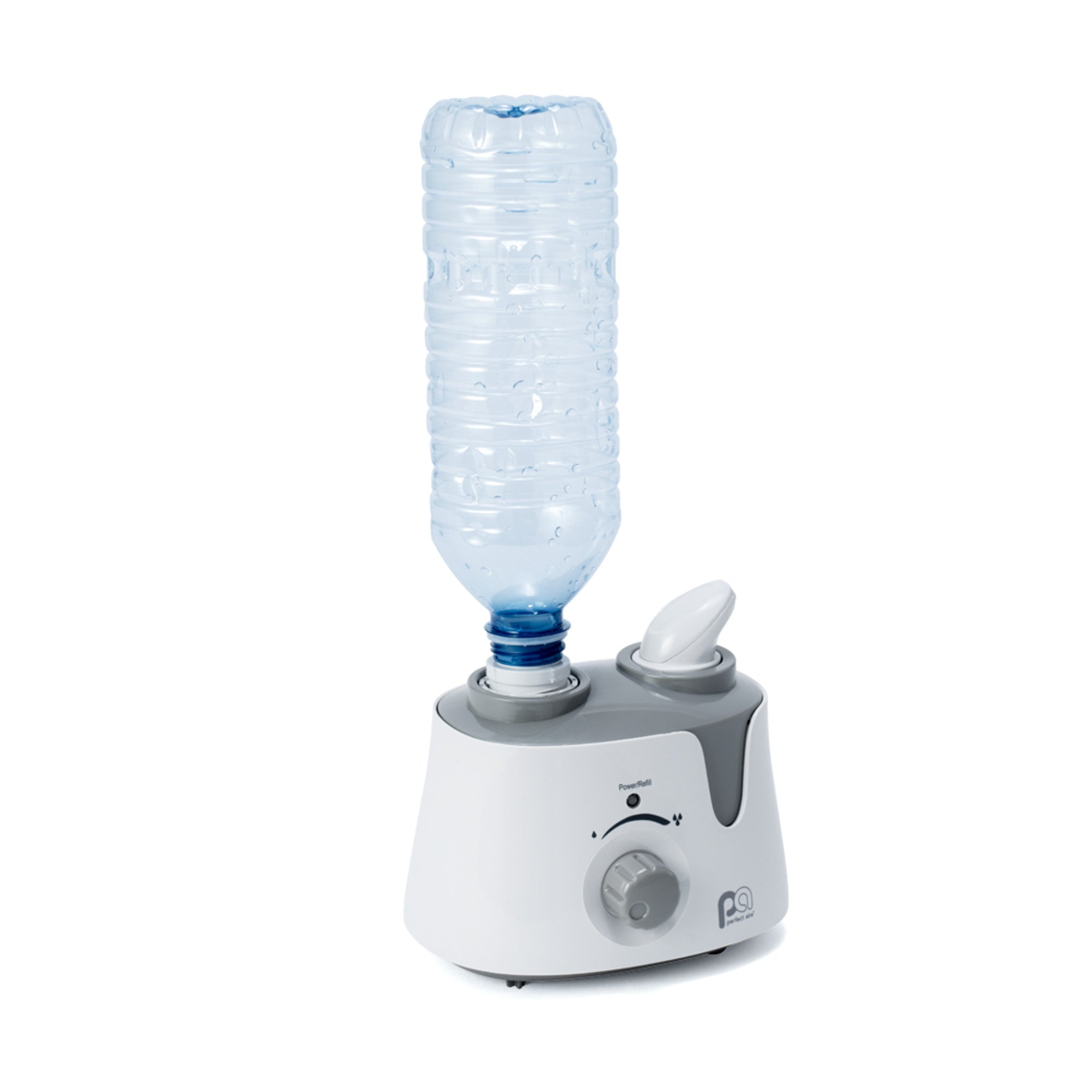
2. A Humidifier for Heating Season
Once the heating system is running consistently, indoor humidity drops. It happens in every home and it's one of the things first-time homeowners notice and can't quite place.
The heating system warms the air without adding moisture, which reduces relative humidity even when nothing else changes. The result is dry skin, static electricity, creaking floors, and a persistent scratchy throat that improves on weekends when you leave the house. It's not a health emergency. It's just uncomfortable, and it's easily fixed.
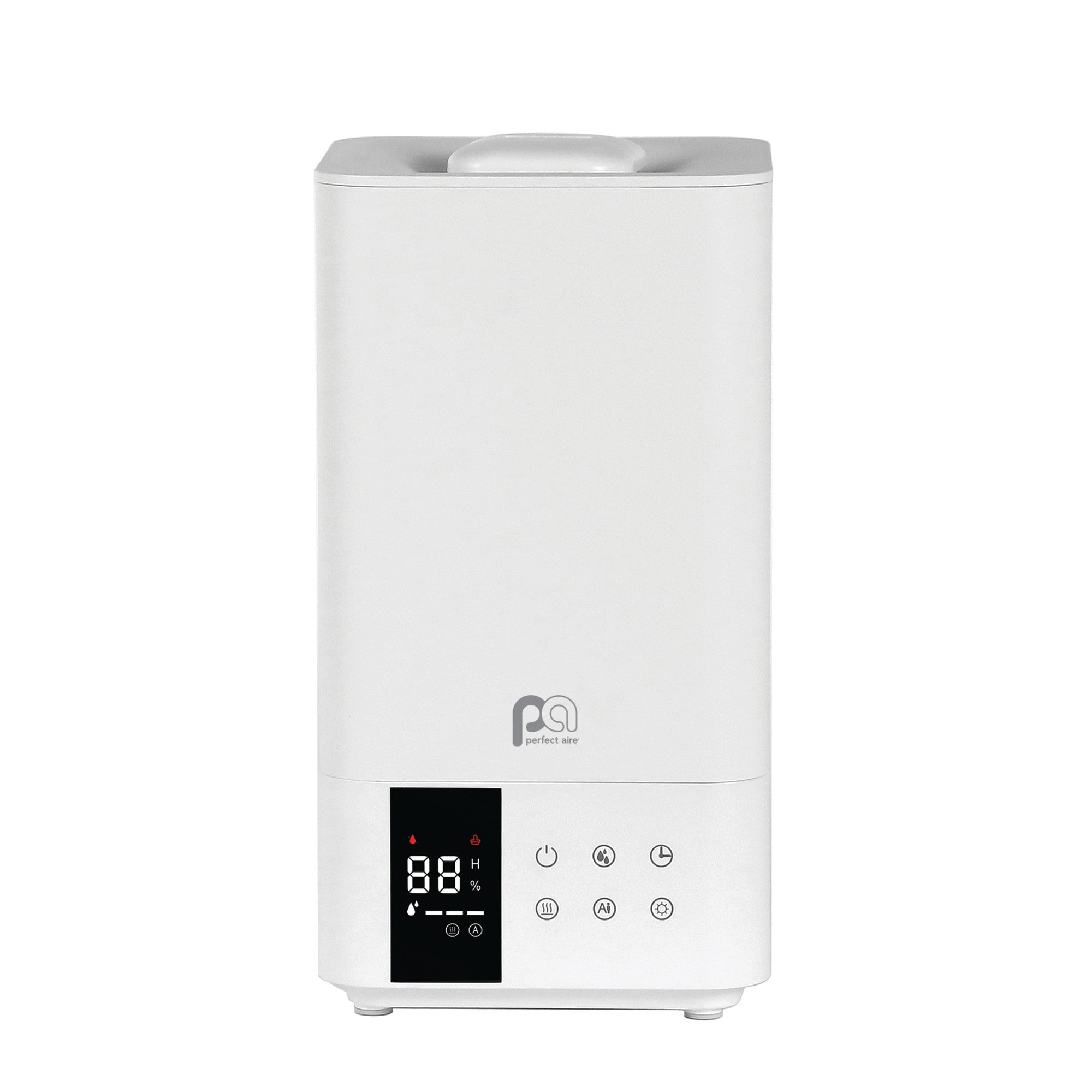
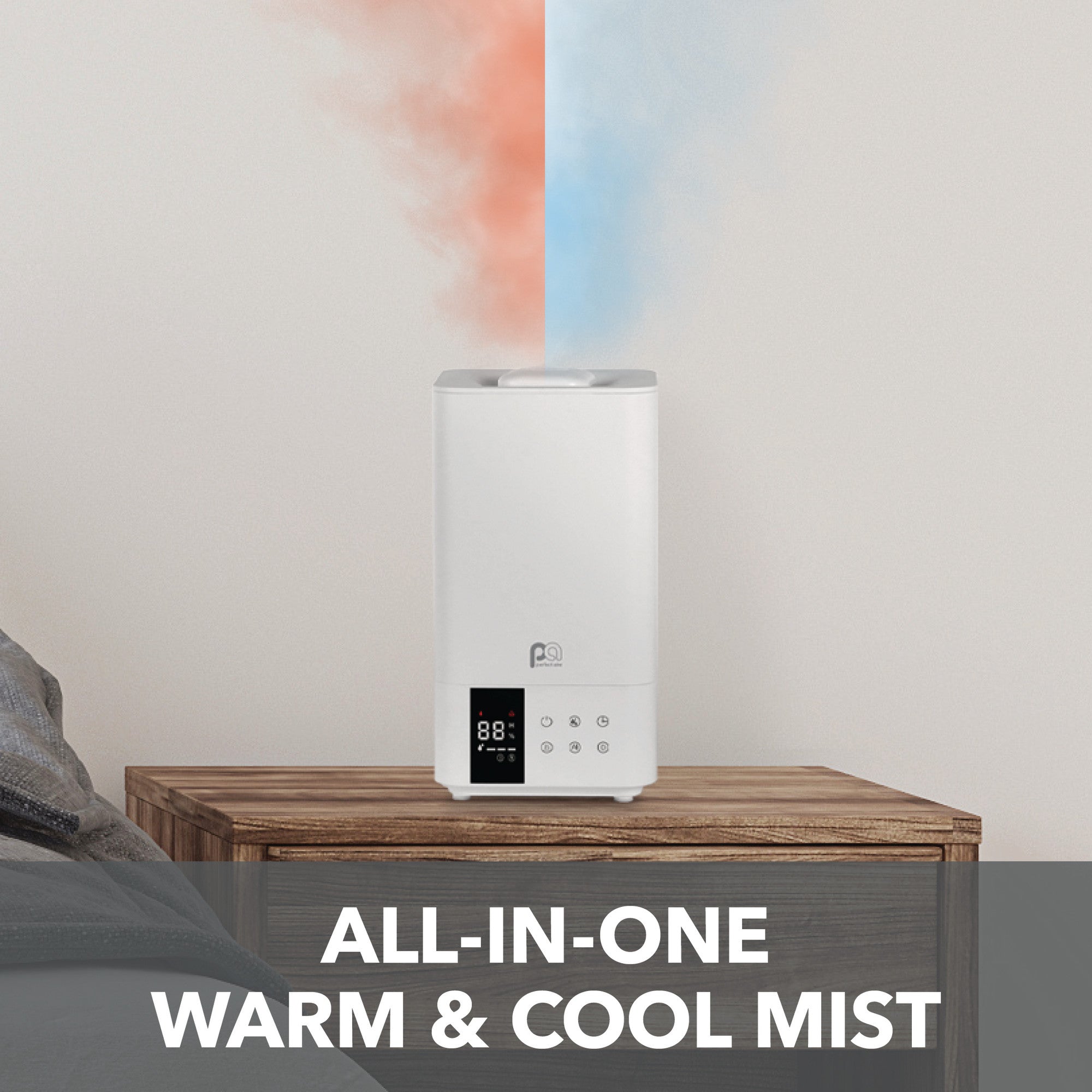
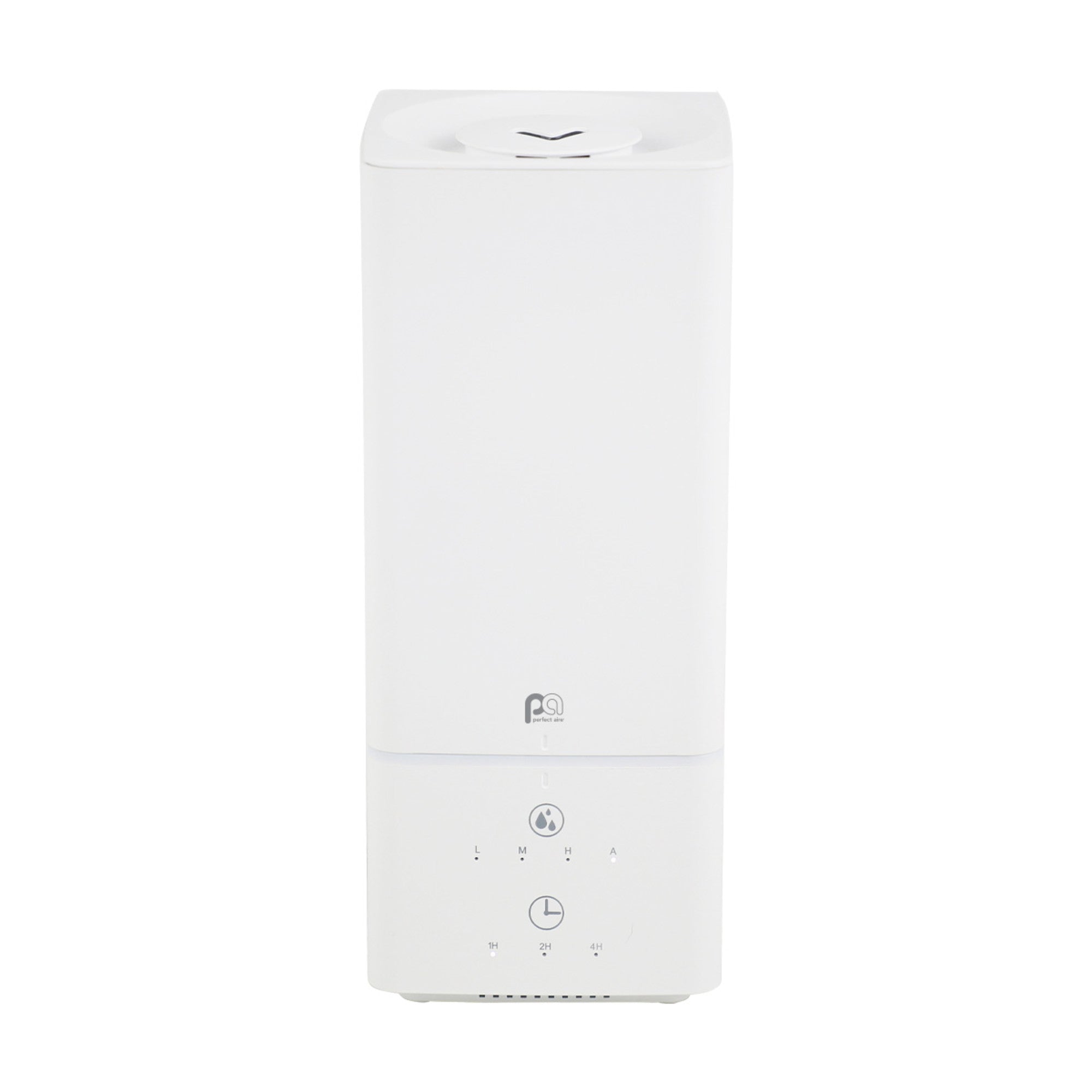
A humidifier running in the main living areas and bedroom keeps indoor humidity in the comfortable 30% to 50% range through heating season. Pick up an inexpensive hygrometer at the same time so you have an objective read on what the air is actually doing rather than guessing based on how your skin feels.
Browse our full selection of humidifiers to find the right fit for your space.

3. A Dehumidifier for the Basement
If the home has a basement, a dehumidifier belongs on the list regardless of whether it currently smells musty or feels damp. Basements hold moisture year-round, and fall is when that moisture is most likely to linger even as the rest of the house dries out from heating.
A dehumidifier running in the basement through fall keeps humidity in the comfortable range, prevents mold-friendly conditions from developing, and protects stored items from the gradual damage that sustained high humidity causes over time. Set it to maintain between 30% and 50% relative humidity and let it run.
Browse our full selection of dehumidifiers to find the right fit for your space.

4. A Mini-Split for Any Room the Central System Doesn't Reach
Every home has at least one room that the central system doesn't handle well. You usually find out which one it is in the first week of July or the first cold snap of November.
It might be the bonus room above the garage that runs ten degrees warmer than the rest of the house in summer and ten degrees colder in winter. It might be a sunroom that's comfortable in spring and uninhabitable by July. It might be a home addition that was tacked onto an existing duct system not designed to handle it.
A DIY mini-split solves this permanently. The indoor unit mounts on the wall, the outdoor unit sits outside, and the two connect through a small opening in the wall. No ductwork, no major construction, and most installations complete in a day using basic household tools. True DIY systems use pre-charged line sets and quick-connect fittings, which means no refrigerant handling and no specialized HVAC tools required.
It cools in summer, heats in winter, and gives that one problem room its own independent temperature control without affecting the rest of the house.
As always, confirm correct voltage and a dedicated breaker with a licensed electrician before startup.
Browse our full selection of DIY mini-split systems to find the right size for your space.

5. A Line Set Cover for Any Exposed Mini-Split Installation
If the home already has a mini-split installed, take a look at how the line set runs on the exterior.
The line set is the pair of refrigerant lines connecting the indoor and outdoor units. In a lot of installations, especially DIY or older ones, it runs exposed along the exterior wall without any protective covering.
It works fine that way. It just doesn't look great, and exposed line sets take more weather damage over time than covered ones.
A line set cover snaps over the existing lines, protects them from UV exposure and physical damage, and gives the exterior a clean finished look. It's a straightforward installation that takes an hour or less and makes a noticeable difference in how the home presents from the outside.
If you're moving into a home with an existing mini-split and the line set is running exposed, a line set cover is an easy early win.
Browse our mini-split line set cover kits to find the right fit for your installation.

6. A Replacement Exterior Grille If You Have a PTAC Unit
If the home has a PTAC unit, walk outside and take a look at the exterior grille. It's the vented cover on the outside of the building where the PTAC exhausts heat and draws in air. In older homes and rental conversions, these grilles can be rusted, bent, faded, or simply worn out from years of weather exposure.
A damaged or deteriorating grille restricts airflow to the unit, reduces heating and cooling efficiency, and can allow moisture and debris into the wall sleeve. It also just looks worn, which matters more when it's your home than when it was someone else's.
Replacing an exterior grille is one of the easier PTAC upgrades available. It snaps or screws into the existing wall sleeve opening and requires no special tools or HVAC knowledge. Available in steel and architectural aluminum finishes to match the exterior of most homes and buildings.
Browse our PTAC exterior grilles to find the right fit for your unit.

First-Fall Comfort Checklist at a Glance
| Item | What It Does | Who Needs It |
|---|---|---|
| Air purifier | Captures particulates, dust, pet dander, VOCs | Every new homeowner |
| Humidifier | Adds moisture back as heating system dries indoor air | Most homes once heating runs consistently |
| Dehumidifier | Controls basement moisture through fall transition | Homes with basements or moisture-prone spaces |
| Replacement filters | Keeps air purifier performing at full capacity | Anyone running an air purifier |
| DIY mini-split | Provides independent heating and cooling for problem rooms | Homes with rooms the central system doesn't reach |
| Line set cover | Protects and finishes exposed mini-split line sets | Homes with existing exposed mini-split installations |
| PTAC exterior grille | Improves airflow, appearance, and weather protection | Homes with aging or damaged PTAC units |
Get Comfortable Before the First Cold Night
The first fall in a new home doesn't have to be a series of unpleasant discoveries. A little preparation now means the house is ready for whatever the season brings, whether that's dry air from the heating system, a damp basement, a problem room that never quite gets comfortable, or just an exterior that could use a refresh.
Browse our full selection of home comfort products at TheHVACSpot.com and check everything off the list before winter arrives.