
The heat turns on and within a day or two something shifts.
Your skin feels tight. Your throat is scratchy in the morning. The dog’s fur generates static every time you pet her. The wood floor that was silent all summer suddenly has opinions about where you step.
Nothing changed except the heat came on. Which is exactly the point.
Heating systems are remarkably efficient at one thing most people don’t think about: removing moisture from indoor air. Not on purpose, and not through any flaw in the system. It’s just physics. Understanding why it happens makes the fix obvious, and the fix is simpler than most people expect.

Quick Answer: Why Does Indoor Air Feel Dry When the Heat Turns On?
Heating systems warm indoor air without adding moisture to it. As air temperature rises, its capacity to hold moisture increases, which causes relative humidity to drop even when the actual amount of water vapor in the air stays the same. The result is air that feels dry, even in a home that felt comfortable in October. A humidifier adds moisture back at the rate the heating system removes it, keeping indoor humidity in the comfortable 30% to 50% range through heating season.
Why Heating Systems Dry Out Indoor Air
The explanation comes down to one concept: relative humidity.
Relative humidity measures how much moisture the air is holding relative to how much it could hold at a given temperature. Warm air can hold significantly more moisture than cool air. When you heat the air inside your home without adding moisture to it, the air’s capacity for moisture goes up but the actual moisture content stays the same. The ratio drops. Relative humidity falls.
This happens with every type of heating system. Forced air furnaces, heat pumps, baseboard heaters, boilers, and mini-splits in heating mode all warm the air without adding moisture. Some systems circulate air more aggressively than others, which can accelerate the drying effect, but the fundamental mechanism is the same across all of them.
Outdoor air makes it worse. Cold outdoor air holds very little moisture to begin with. As it infiltrates the home through gaps and normal ventilation and gets warmed by the heating system, its relative humidity drops further. In very cold climates during the coldest months, indoor relative humidity in an unmanaged home can fall well below the comfortable range without any additional drying source needed.
The heating system isn’t doing anything wrong. It’s just warming air, and warm air is dry air until you add moisture back.
How Dry Is Too Dry? Understanding Indoor Humidity in Winter
The comfortable range for indoor relative humidity is between 30% and 50%. Within that range the air feels comfortable, building materials stay stable, and the heating system can do its job without creating a secondary comfort problem.
Below 30% is where things start to feel noticeably off. Skin gets dry. Static builds. Wood shrinks. The air starts to feel more like a climate-controlled storage unit than a home.
A few reference points worth knowing:
- 30% to 50% is the target range for most homes through heating season. Aim for the middle of that range as a baseline and adjust based on how the home feels and what the hygrometer reads.
- Below 30% is where most of the dry air symptoms show up consistently. If you’re experiencing cracked skin, persistent static, or waking up with a dry throat every morning, the humidity in your home has likely dropped below this threshold.
- Above 50% during heating season in above-grade living spaces is unusual and may indicate a moisture source worth investigating. In most heated homes, getting above 50% is not the problem.
What a hygrometer tells you
A hygrometer measures indoor relative humidity and takes the guesswork out of the equation entirely. An inexpensive one placed in the main living area and bedroom gives you an objective read on what the air is actually doing rather than diagnosing by symptoms alone. If you don’t have one, it’s worth picking up before deciding what size humidifier you need.

What Dry Indoor Air Actually Does to Your Home
Dry air affects more than how people feel. It works on the home itself in ways that are easy to notice once you know what to look for.
- Wood shrinks and shifts. Hardwood floors, door frames, window trim, furniture joints, and structural wood all respond to changes in indoor humidity. When humidity drops in winter, wood releases moisture and contracts. Floors develop gaps between boards. Doors that fit perfectly in October start sticking or leaving gaps in their frames by January. The creaking that arrives with heating season is largely this process in action.
- Paint and drywall can show stress. Sustained low humidity causes drywall to shrink slightly, which can open small cracks at seams and corners. Paint on walls and trim can develop hairline cracks in the same conditions. These aren’t structural issues, but they’re cosmetic problems that are easier to prevent than to fix after the fact.
- Static electricity builds up. Low humidity allows static charges to build on surfaces, fabrics, and people. The shocks from doorknobs, the cling of fabric, and the sparks from petting the dog are all symptoms of air that’s too dry. Static also attracts dust to surfaces and electronics, which creates its own maintenance issues over time.
- Musical instruments and wood furnishings are particularly vulnerable. Guitars, pianos, and other wood instruments are especially sensitive to humidity swings. Antique furniture and wood pieces with delicate joints can loosen or crack in sustained dry conditions. If the home has either, maintaining indoor humidity through winter is worth taking seriously.
How a Humidifier Fixes the Problem
A humidifier does exactly one thing: it adds moisture to the air. That’s the whole job, and it’s the right tool for this problem because it addresses the cause directly rather than managing symptoms.
Running a humidifier in the main living areas and bedroom during heating season replaces the moisture the heating system removes. The unit draws water from a tank or a continuous water source, converts it to water vapor or fine mist depending on the type, and releases it into the room air. The heating system keeps running. The humidifier keeps adding moisture back. Indoor humidity stays in the comfortable range.
The practical effects are noticeable quickly. Skin feels less tight. Morning throat dryness clears up. Static decreases. The wood in the home stabilizes. The air just feels more comfortable at the same thermostat setting, which is the point.
A few things worth knowing before you buy:
- Match the humidifier to the room size. A unit designed for a 300 square foot bedroom won’t maintain comfortable humidity in a 700 square foot open-plan living area. Check the coverage area on the product listing and size appropriately.
- Monitor with a hygrometer. Running a humidifier without knowing what the humidity is doing can overshoot the target range. Above 50% in a heated space encourages condensation on windows and cold surfaces. A hygrometer keeps you in the right range without guessing. Some models even have built-in hygrometers with digital readouts.
- Keep it clean. Humidifiers work with standing water, which means they need regular cleaning to prevent mineral buildup and bacterial growth. Follow the manufacturer’s cleaning schedule and use distilled water to avoid scale and white dust from minerals in tap and filtered water. A clean humidifier is a safe and effective one.

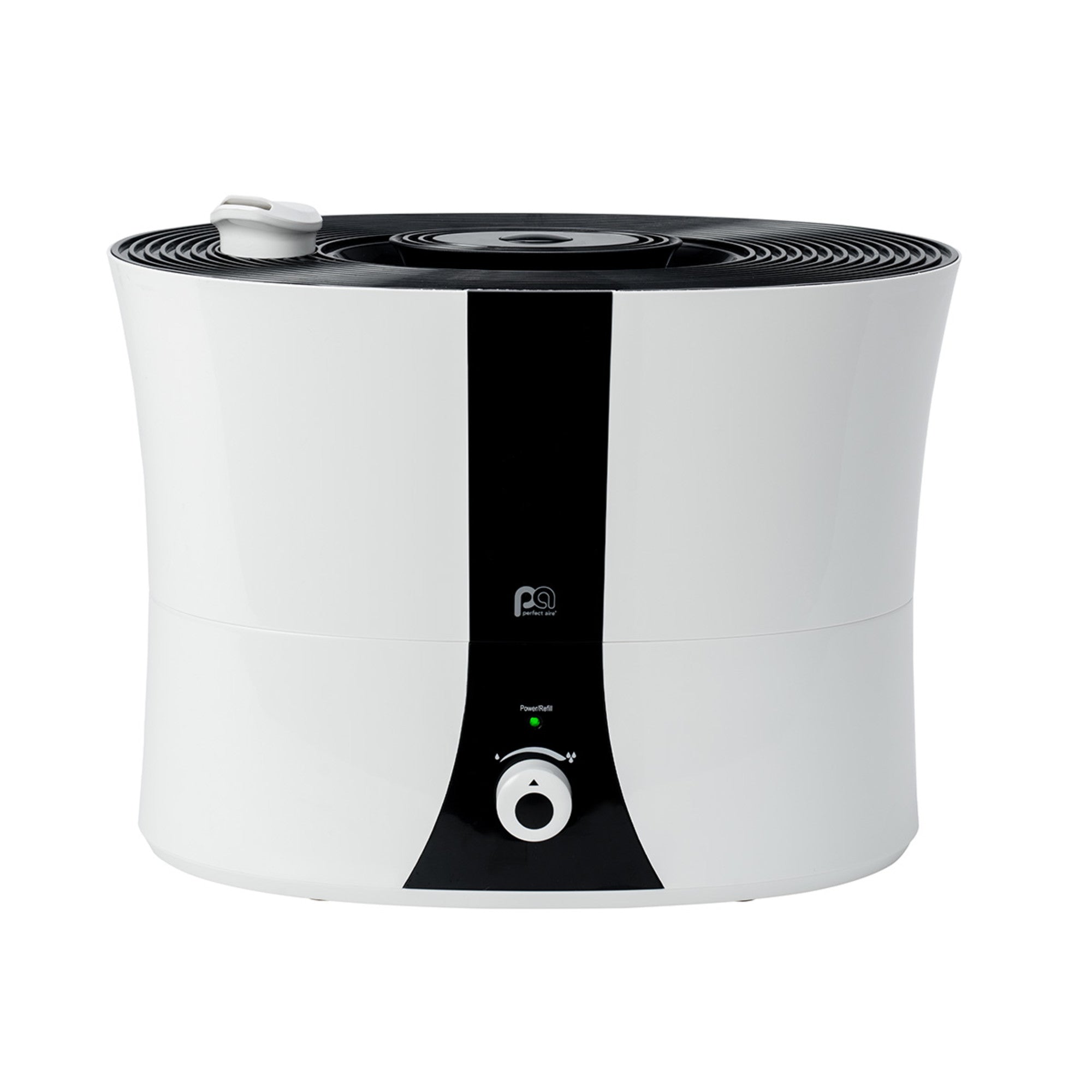
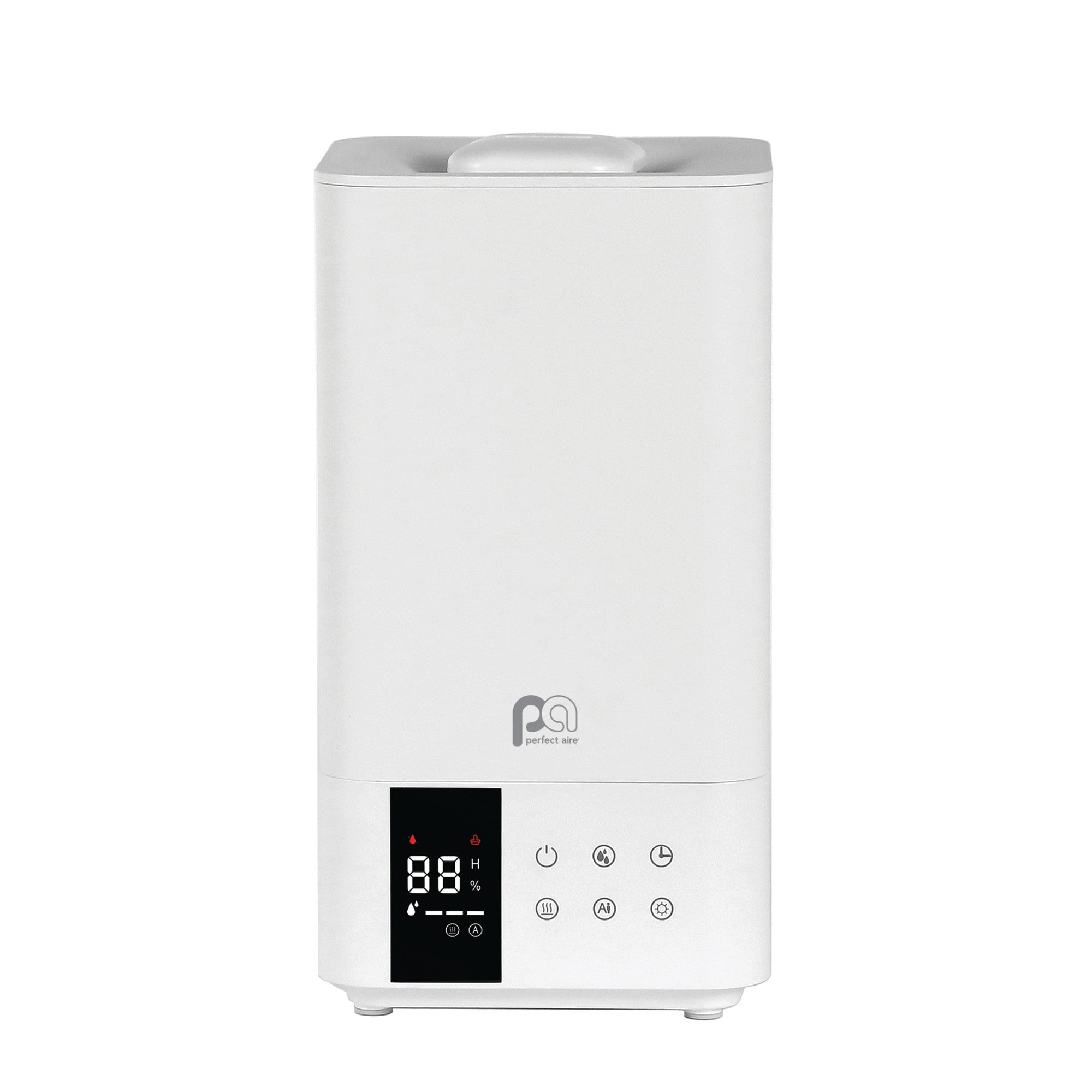
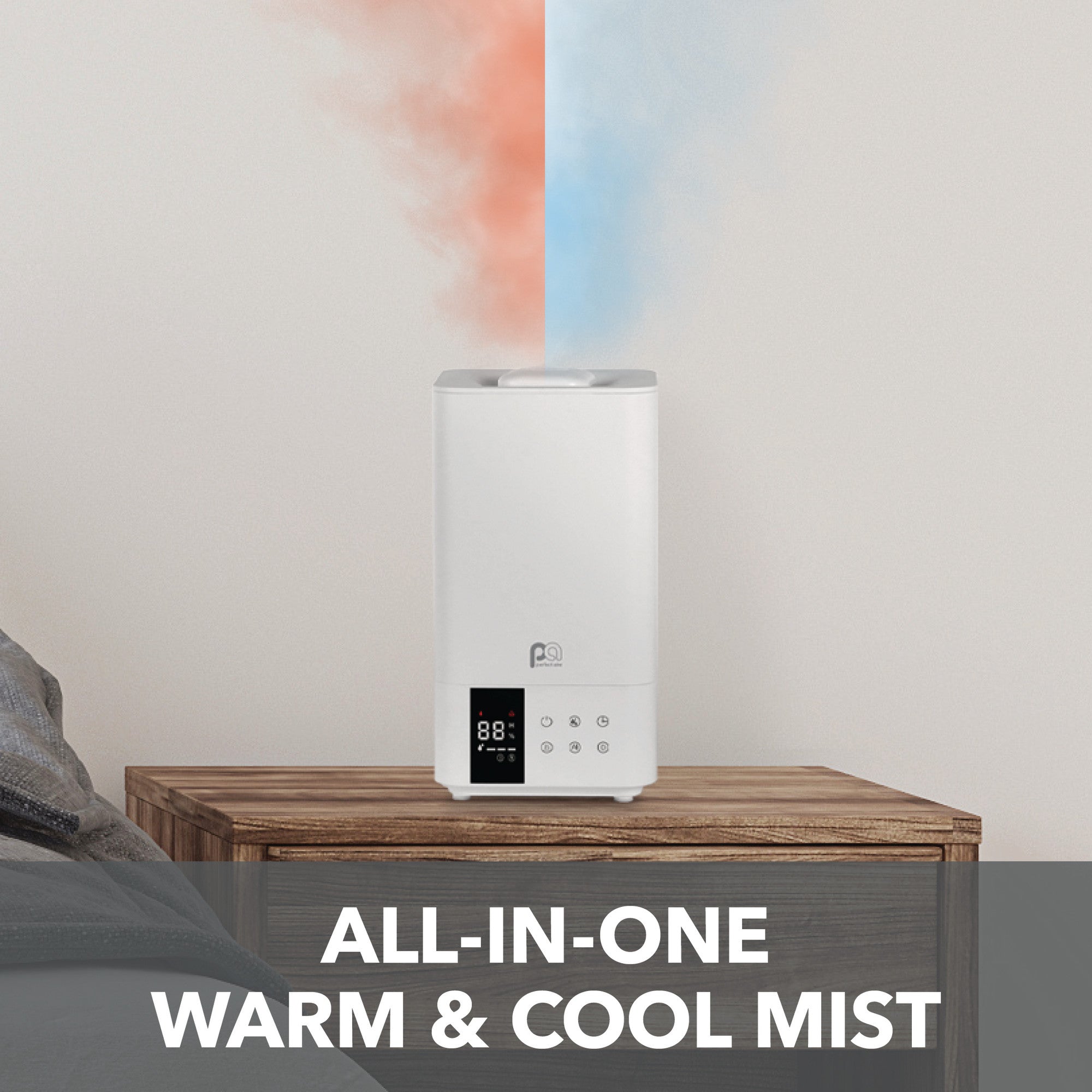
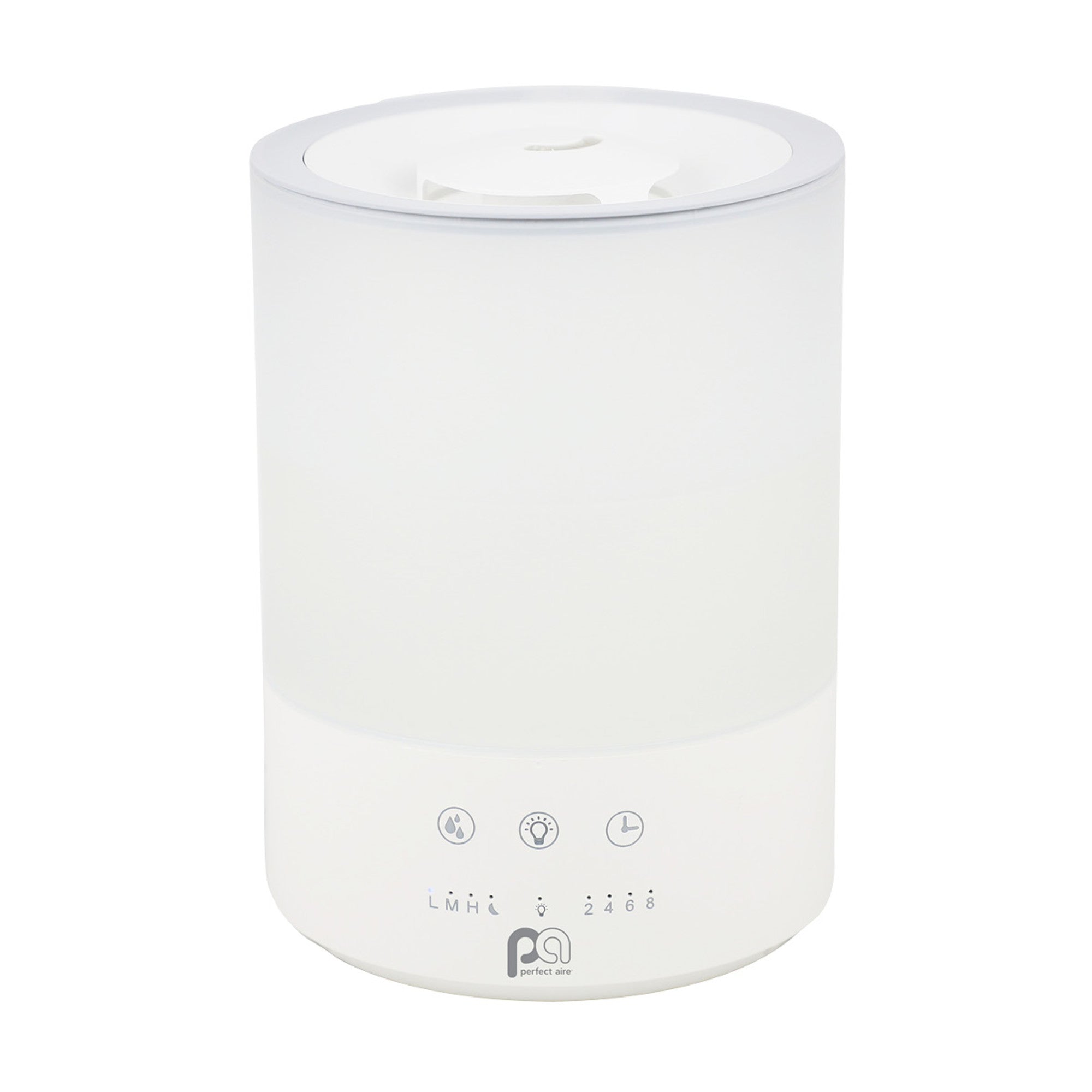
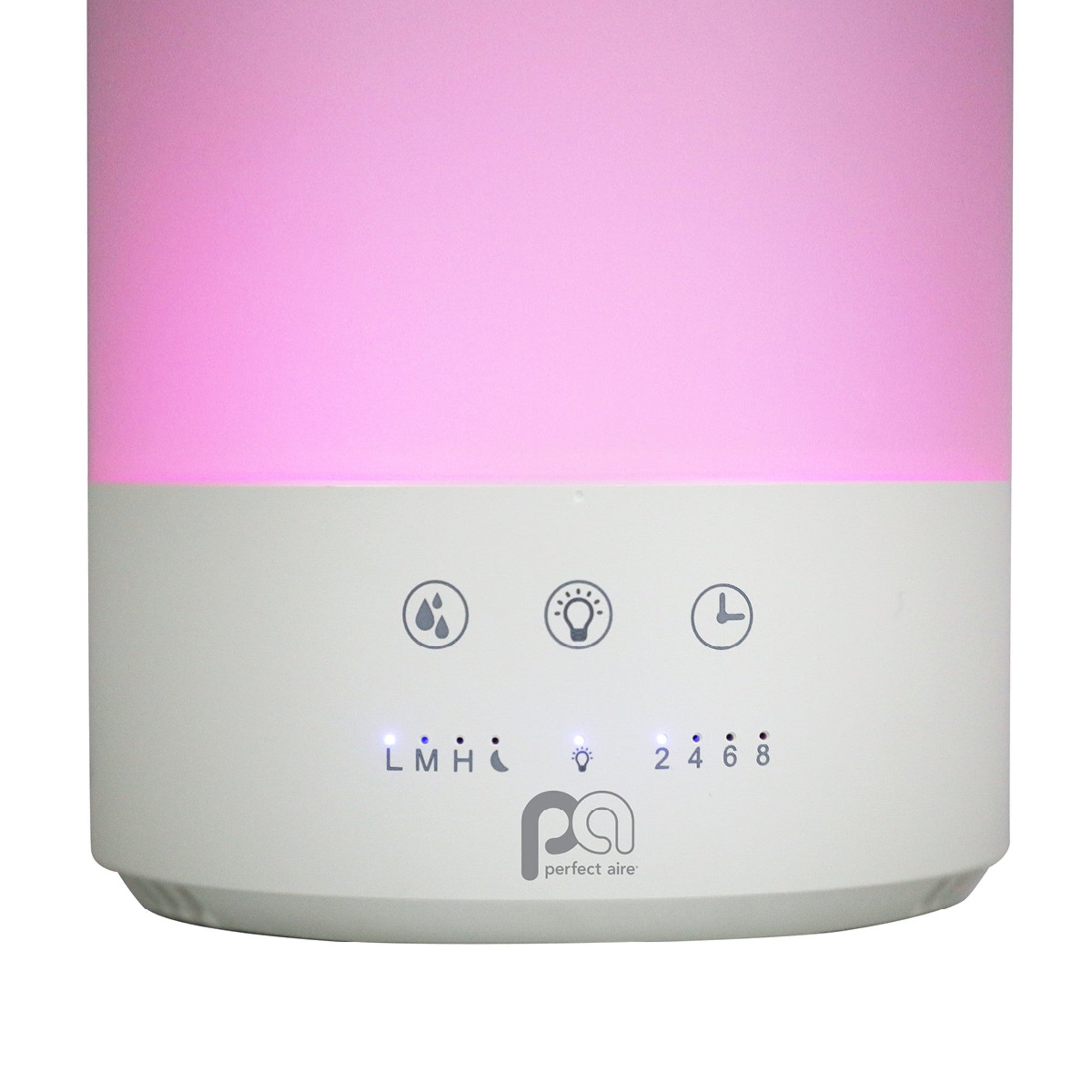
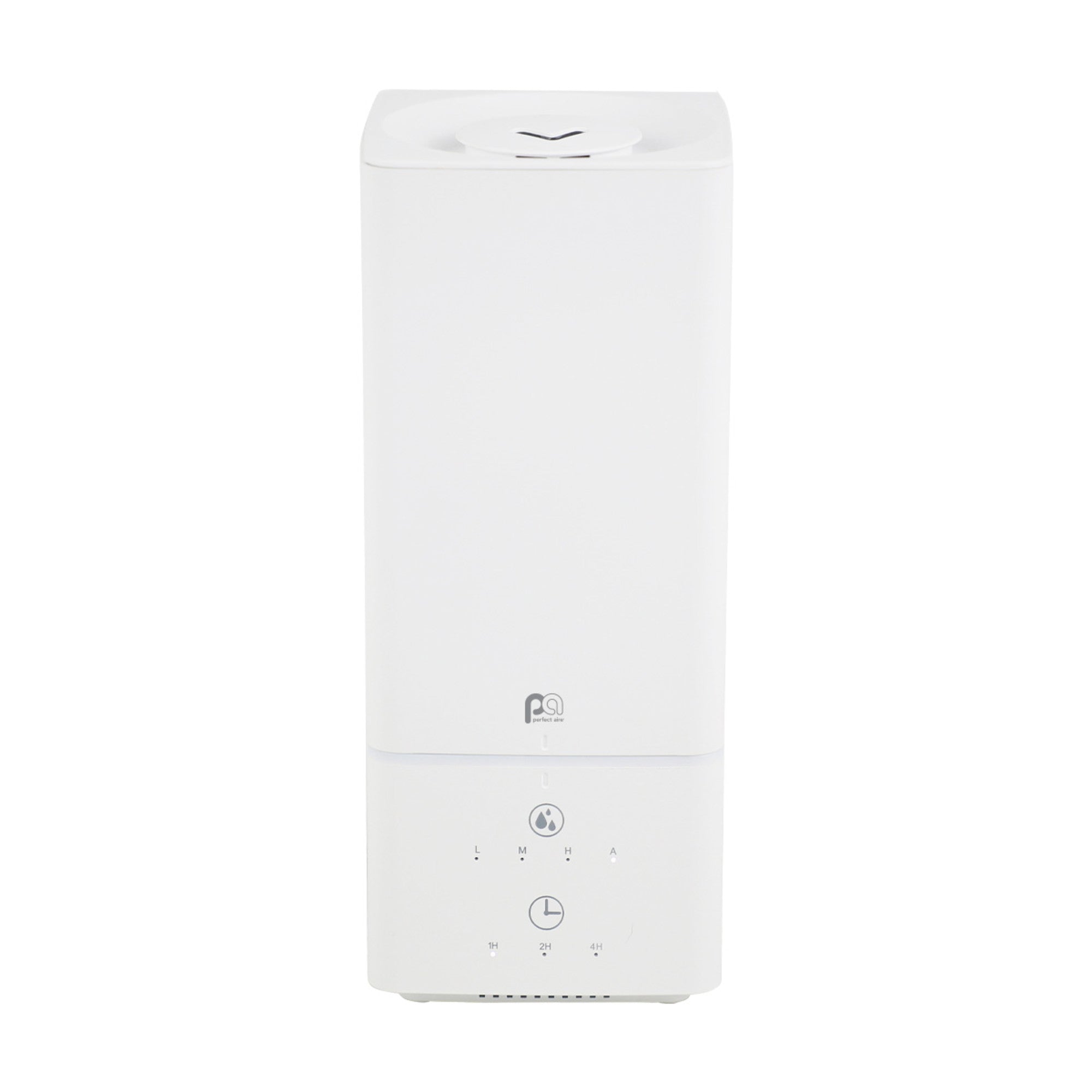
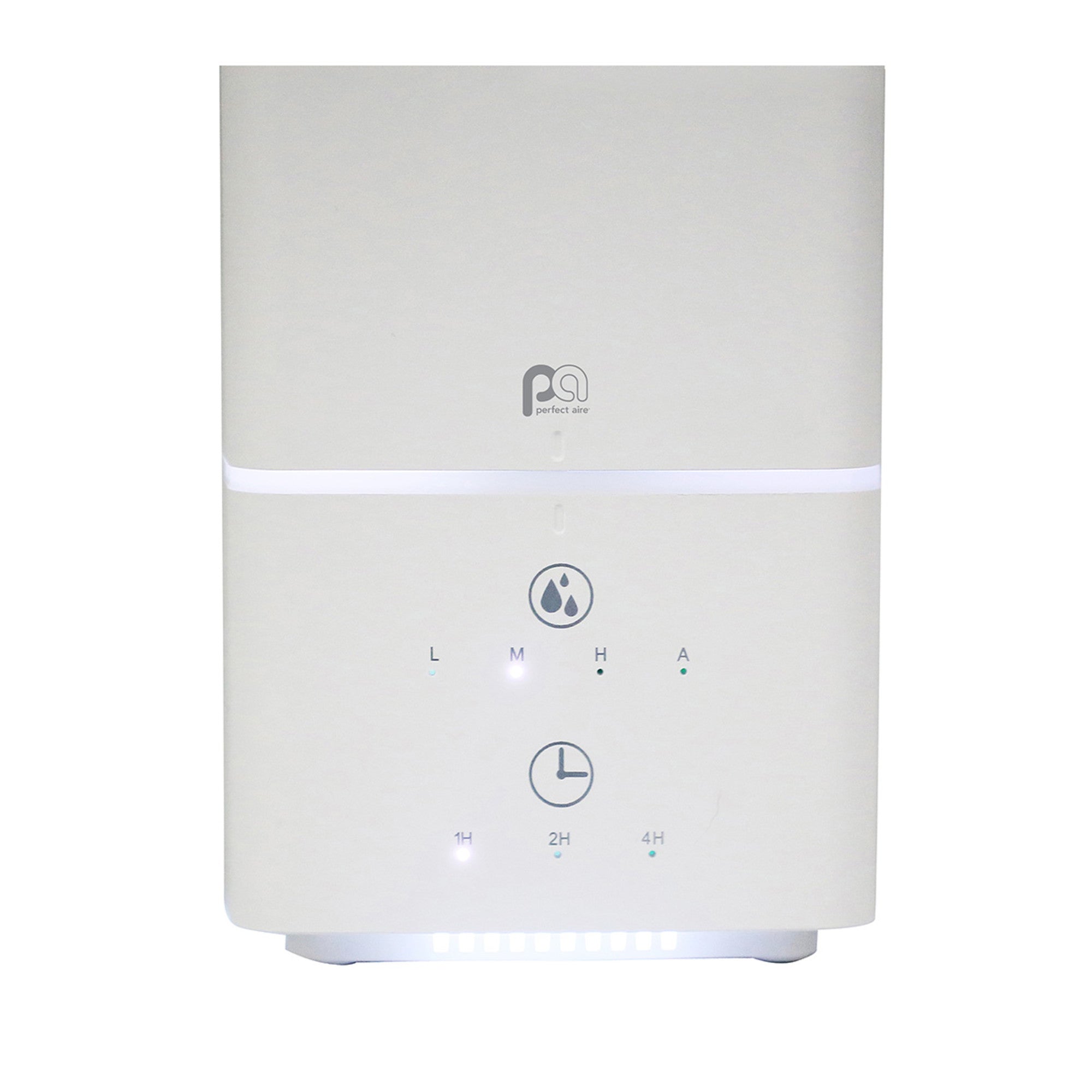
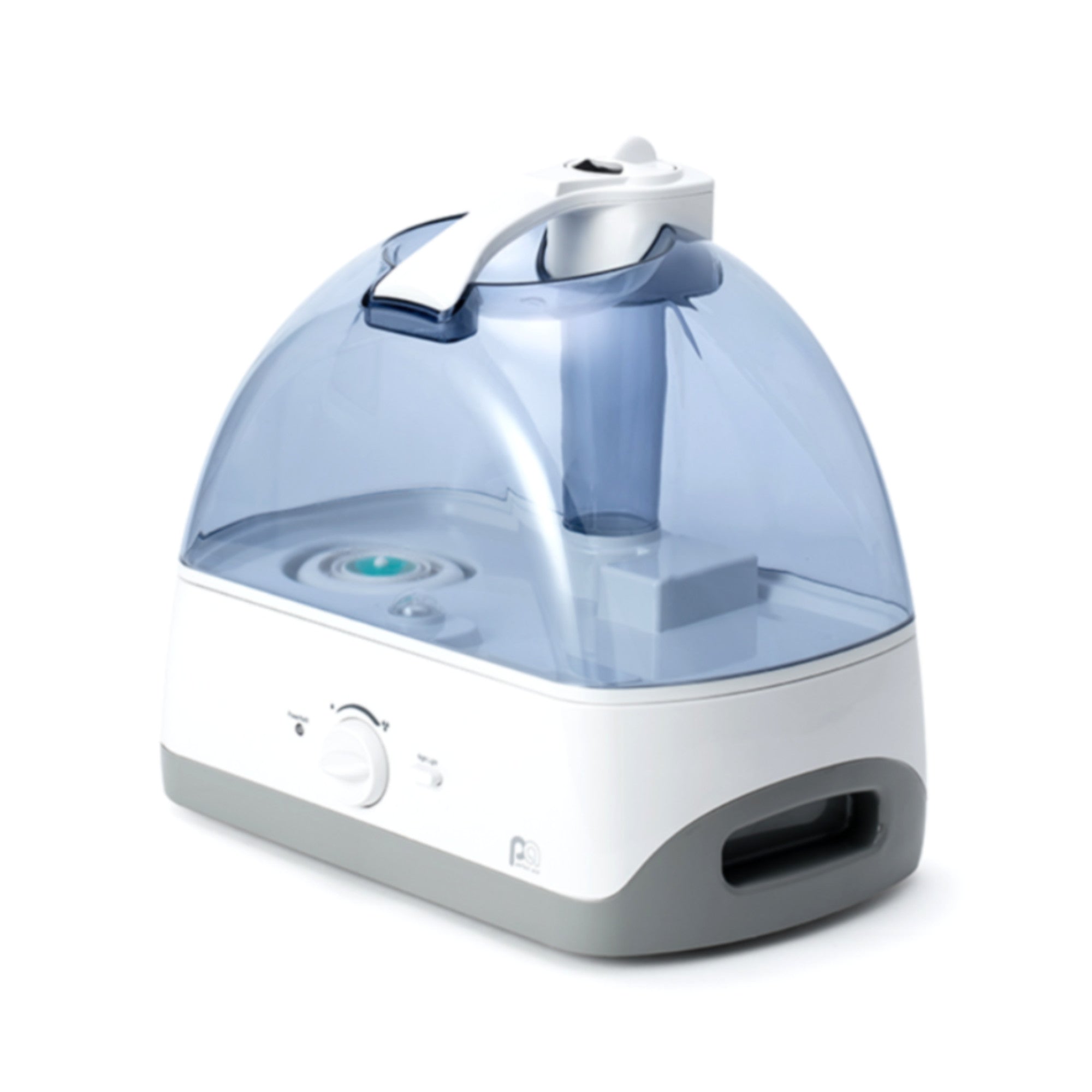
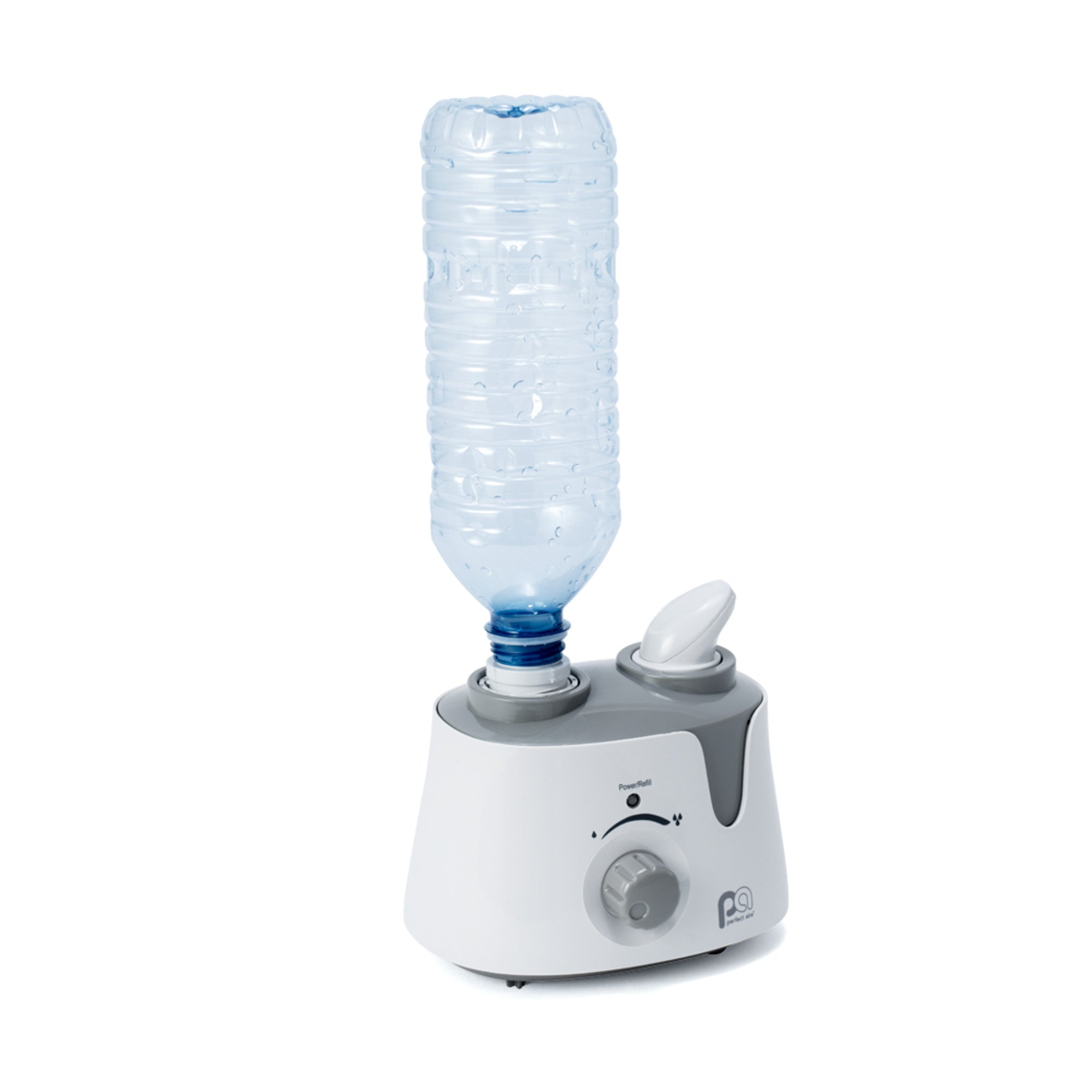
Humidifiers come in a few different varieties. Warm mist units heat water to produce steam, which some people prefer in winter. Ultrasonic cool mist units are the most common and popular type of humidifier. They’re quieter, use less energy, and work safely in any room including bedrooms and spaces with children.
Ultrasonic cool mist humidifiers use high-frequency vibration to convert water into a fine mist that disperses quietly into the room. They’re well suited for bedrooms and living spaces where noise matters. They work best with distilled water to avoid white mineral dust from hard tap water depositing on nearby surfaces. Regular cleaning keeps them running efficiently.
What to look for when sizing:
- Check the coverage area on the product listing and match it to the room you’re running it in.
- For open plan spaces or larger rooms, size up rather than running a smaller unit at maximum output continuously.
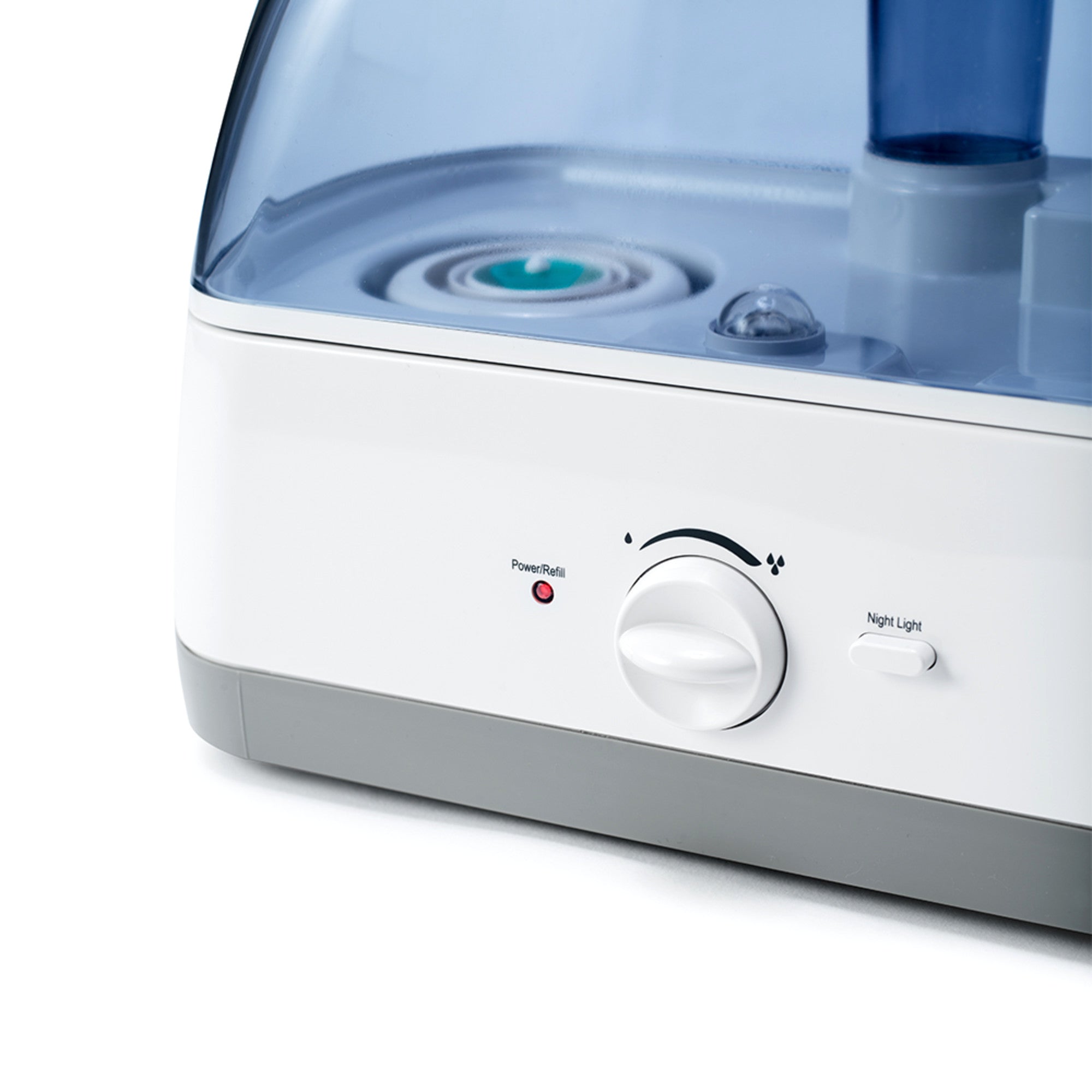
- A unit with a built-in humidity sensor or humidistat lets you set a target level and run automatically rather than manually adjusting output.
Stop Blaming the Thermostat. Add Some Moisture.
The heating system is doing its job. The dry air is just what happens when warm air doesn’t have enough moisture in it to feel comfortable. A humidifier puts that moisture back and the difference is noticeable within a day or two of running one.
Browse our full selection of cool mist humidifiers to find the right size for your space. Not sure what humidity level your home is actually at? Pick up a hygrometer before you buy so you know what you’re working with.