When temperatures start warming up in the spring, humidity often rises with them.
You may notice the air inside your home feels a little heavier. Basements can start to smell musty, and rooms that felt comfortable in winter suddenly feel damp or sticky, and even colder than before.
Humidity doesn’t just affect how your home feels. It can also make your air conditioner work harder to maintain the same temperature.
In many homes, controlling moisture is just as important as controlling heat.
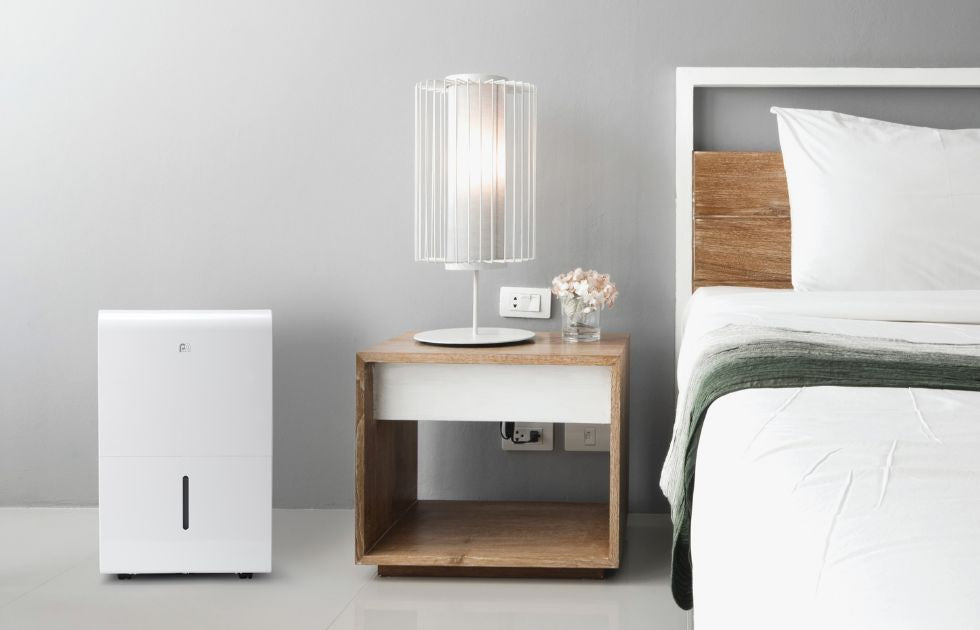
A dehumidifier can help remove excess moisture from the air, improving comfort and helping your cooling system run more efficiently as summer approaches.
Do You Need a Dehumidifier?
You may need a dehumidifier if your home feels damp, musty, or uncomfortable even when the temperature seems normal. High humidity can make indoor air feel warmer in summer and harder for your air conditioner to manage.
In many homes, keeping indoor humidity between 30% and 50% provides the best balance for comfort and air quality. When humidity levels consistently rise above that range, a dehumidifier can help remove excess moisture and restore a more comfortable environment.
Spaces like basements, laundry rooms, and homes in humid climates often benefit the most from additional moisture control.
What Is the Ideal Indoor Humidity Level?
Most homes feel the most comfortable when indoor humidity stays between 30% and 50%.
Within that range, the air typically feels comfortable, condensation is less likely to form on windows, and mold growth becomes less likely. Many HVAC professionals recommend aiming for about 40–45% humidity as a balanced target for most living spaces.
When humidity climbs above 50–60%, the air can start to feel damp or sticky. At higher levels, you may notice condensation, musty odors, or areas that feel harder to keep comfortable.
If humidity drops too low, on the other hand, the air can feel dry and may lead to irritated skin, dry sinuses, or static electricity.
Keeping humidity within the 30–50% range helps create a healthier and more comfortable indoor environment throughout the year.
How Humidity Affects Comfort
Humidity plays a major role in how comfortable a room feels, sometimes even more than the temperature shown on the thermostat.
In warm weather, high humidity makes it harder for the body to cool itself. Normally, sweat evaporates from the skin and helps regulate body temperature. When the air is already full of moisture, that evaporation slows down, which makes the air feel warmer and heavier than it actually is.
That’s why a 75°F day with high humidity can feel much hotter than the same temperature in dry air.
Humidity can also affect comfort when temperatures are cooler.
When excess moisture is present in the air, rooms can start to feel clammy or damp, even if the thermostat is set to a comfortable temperature. Moist air transfers heat away from the body more efficiently, which can make the room feel cooler than the actual temperature reading.
This is why some homes feel chilly and uncomfortable during cool, damp weather even when the heating system is running normally - especially in basements.
Managing humidity helps stabilize how temperatures feel inside the home. By keeping moisture levels balanced, your heating and cooling systems can maintain a more consistent and comfortable environment throughout the year.
How Humidity Affects Air Conditioner Efficiency
Air conditioners don’t just cool the air. They also remove moisture as part of the cooling process.
As warm air passes over the evaporator coil inside an AC unit, moisture condenses and drains away. This helps lower humidity while the system cools the room.
However, when indoor humidity levels are very high, your air conditioner has to work harder to remove both heat and moisture at the same time.
That extra workload can lead to several problems:
- The system may run longer to reach the thermostat setting
- Rooms can still feel sticky or uncomfortable even when the temperature drops
- Energy use may increase as the system works harder to control both temperature and humidity
In some cases, adding a dehumidifier can reduce the moisture load in the air. This allows the air conditioner to focus more on cooling, which can help improve overall comfort and efficiency.
Managing humidity early in the season can make a noticeable difference once summer heat arrives.
Signs Your Home May Need a Dehumidifier
Excess humidity often shows up in small ways before it becomes a bigger comfort or air quality problem. If you notice any of the signs below, your home may benefit from additional moisture control.
- Damp or Sticky Air If rooms feel humid even when the temperature seems comfortable, excess moisture may be lingering in the air.
- Musty Odors A persistent musty smell, especially in basements or laundry rooms, often signals high humidity.
- Condensation on Windows Moisture forming on the inside of windows usually means indoor humidity levels are too high.
- Damp Basements or Crawl Spaces Below-grade areas tend to collect moisture and may feel damp or clammy without proper humidity control.
- Mold or Mildew Spots Small patches of mold or mildew often appear when humidity stays elevated for long periods.
- Your AC Runs but the House Still Feels Humid
If the air conditioner runs frequently but rooms still feel sticky, excess moisture may be overwhelming the system.
Where Dehumidifiers Help Most
Some areas of the home are naturally more prone to excess moisture. A dehumidifier can help maintain balanced humidity levels in spaces where damp air tends to collect.
- Basements Basements often trap moisture because they sit below ground level and stay cooler than the rest of the home.
- Laundry Rooms Washing machines and dryers can release moisture into the air, especially in smaller or poorly ventilated spaces.
- Bathrooms Without Strong Ventilation Bathrooms generate humidity from showers and baths. Without good ventilation, moisture can linger in the room.
- Crawl Spaces Crawl spaces can collect moisture from the ground and surrounding soil, which can affect the air quality inside the home.
- Homes in Humid Climates Homes located in naturally humid regions may experience elevated indoor humidity throughout much of the year.
Controlling humidity in these areas can help protect your home from moisture damage while improving overall indoor comfort.
Control Humidity Before Summer Arrives
Temperature is only part of the comfort equation. Humidity plays a major role in how your home feels throughout the year.
When moisture levels climb too high, rooms can feel sticky in warm weather and damp or chilly when temperatures are cooler. Excess humidity can also make your air conditioner work harder to maintain the same level of comfort.
Keeping indoor humidity between 30% and 50% helps create a more balanced environment and can improve the efficiency of your cooling system as warmer weather approaches.
If your home struggles with damp air, musty odors, or humidity in areas like basements or laundry rooms, a dehumidifier can help restore comfortable conditions.
At The HVAC Spot, we carry dehumidifiers along with window air conditioners, portable AC units, and DIY mini-split systems to help homeowners manage indoor comfort throughout the year.
Explore our selection of humidity control and cooling solutions to keep your home comfortable as the seasons change.