When heating bills rise, it’s natural to start questioning how efficiently your system is really working. Many homeowners rely on traditional heating systems that warm the entire house, even when only a few rooms are in use, and that can lead to wasted energy and uneven comfort.
Mini-splits take a different approach. Instead of heating everything at once, they focus on delivering precise, controlled warmth where it’s needed most. For homeowners looking for better efficiency, more flexibility, and a modern way to stay comfortable, it’s worth understanding how mini-splits compare to traditional heating and where they can make the biggest difference.
How Traditional Heating Systems Use Energy
Most traditional heating systems are designed to heat the entire home at once. Furnaces and baseboard heaters operate at fixed output levels, turning on at full power and shutting off once the thermostat is satisfied. That on-and-off cycling can use more energy than homeowners realize, especially during colder stretches.
Central heating systems also rely on ductwork to move warm air throughout the house. In many homes, especially older ones, heat is lost along the way through leaks, poor insulation, or long duct runs. The result is higher energy use, uneven temperatures, and rooms that still feel cold even though the system is working hard.
The takeaway: Traditional systems often consume energy heating spaces you are not using, while still struggling to deliver consistent comfort where you want it most.
How Mini-Splits Heat Differently
Mini-splits are designed to adjust how much energy they use based on actual demand. Instead of running at full output and shutting off repeatedly, they use inverter technology to maintain a steady temperature with smaller, more precise adjustments.
This approach reduces wasted energy and helps avoid the temperature swings common with traditional systems. Because mini-splits do not rely on ductwork, they also avoid the heat loss that can occur as warm air travels through a home.
Why this matters: Mini-splits use only the energy they need to maintain the set temperature, which leads to more consistent warmth and less unnecessary energy use over time.
Efficiency Where It Matters Most: Zoned Heating
One of the main reasons mini-splits are often more efficient than traditional heating is zoning. Instead of heating the entire house, mini-splits allow you to warm specific rooms or areas independently.
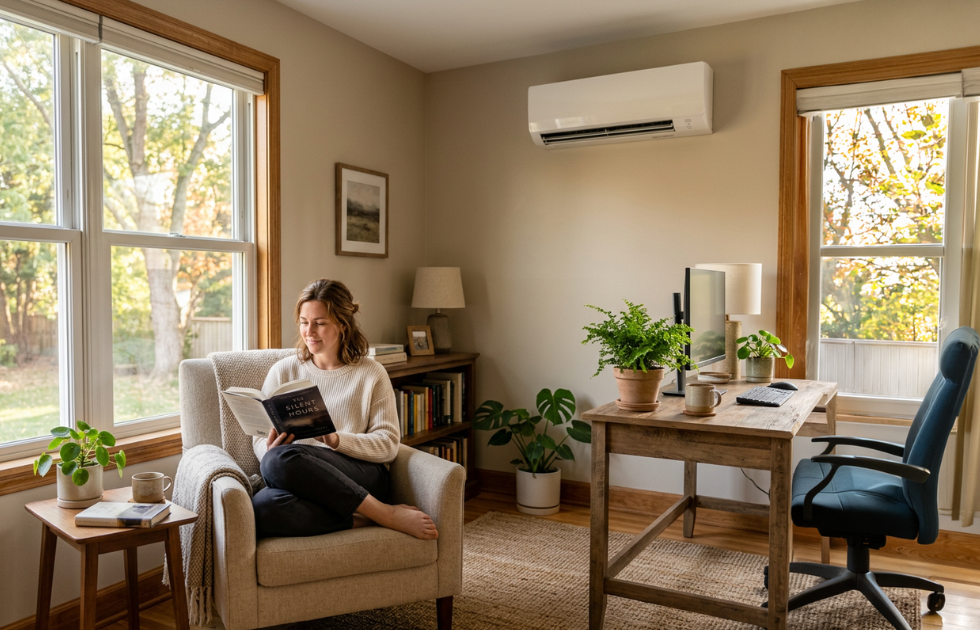
This is especially useful for spaces that never seem to stay comfortable, like bedrooms, home offices, finished attics, or converted areas. Rather than overworking a central system to fix one cold room, a mini-split delivers targeted heat exactly where it’s needed.
The result: You’re not paying to heat unused rooms, and the spaces you care about most stay consistently comfortable without extra strain on your system.
What Efficiency Looks Like in Real Life
Efficiency is not just about technical ratings. It shows up in how predictable your energy use feels month to month and how well your home stays comfortable without constant adjustments.
Mini-splits often help smooth out energy use by avoiding the big spikes that come from systems cycling on at full power. Because they heat only the rooms in use and adjust output as needed, homeowners typically see more consistent performance during colder periods.
That efficiency becomes even more noticeable when mini-splits replace less efficient solutions like electric baseboard heat, space heaters, or aging central systems that struggle to distribute heat evenly.
Worth noting: Actual savings depend on factors like climate, home layout, and how the system is used, but the efficiency advantage comes from reducing waste, not pushing the system harder.
Are Mini-Splits the Right Choice for Every Home?
No heating system is a one-size-fits-all solution, and mini-splits are no exception. The right setup depends on your home’s layout, climate, and how you actually use your space.
Mini-splits work especially well as a primary heating solution in many regions, particularly where winters are moderate and homes are well insulated. Some systems can even maintain consistent heating when outdoor temperatures are as low as -13°F!
They are also an excellent supplemental option for rooms that never seem to stay warm, such as bedrooms, home offices, finished attics, or additions. In those cases, a mini-split can take the pressure off a central system and reduce overall energy use.
This flexibility is part of what makes mini-splits appealing. You can use them where they make the most sense, rather than overhauling your entire home all at once.
A More Efficient Way to Heat Your Home
At their core, mini-splits are about reducing waste. Instead of heating every room through ductwork, they deliver heat directly where it is needed. Inverter technology helps regulate output so the system uses only the energy required to maintain comfort, not more.
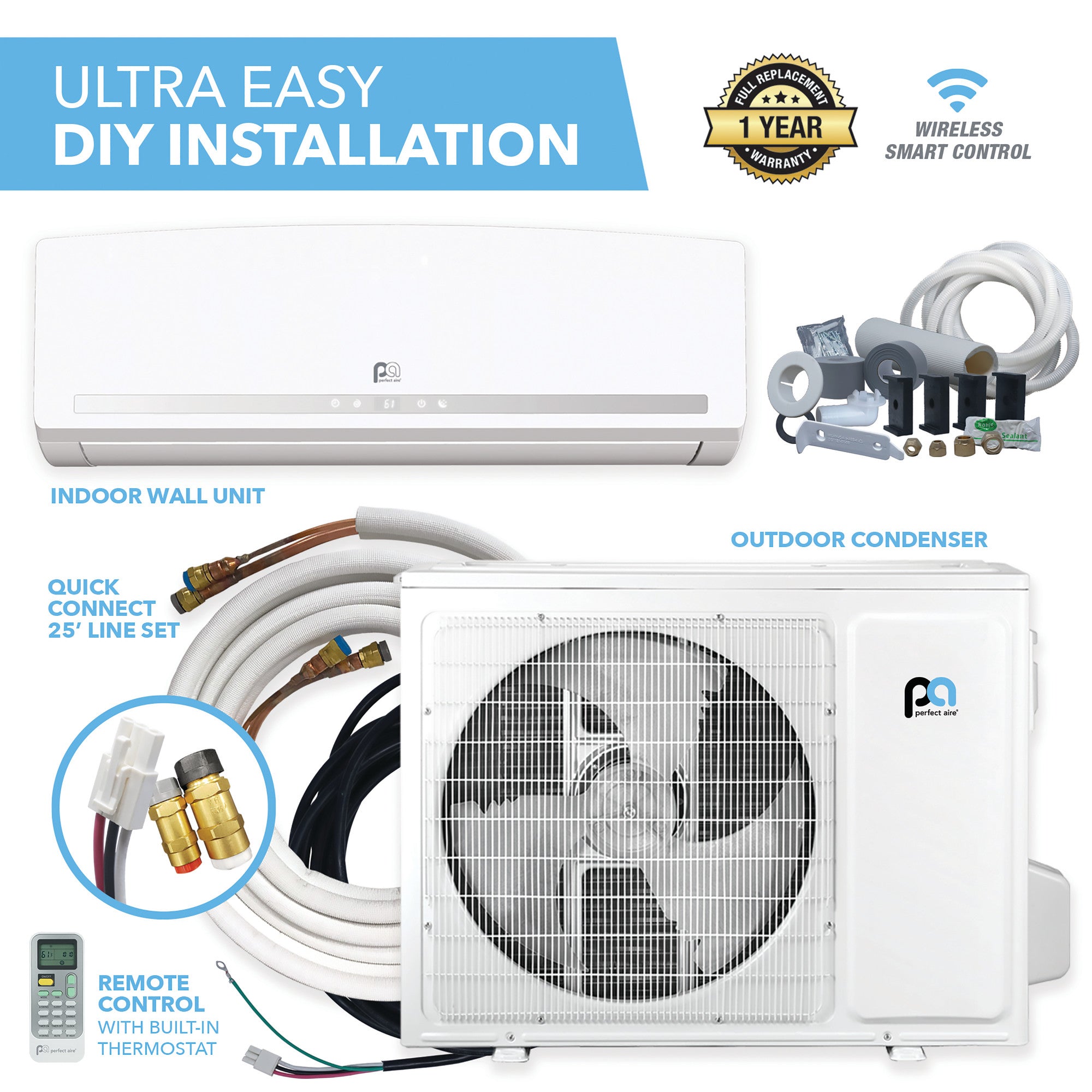
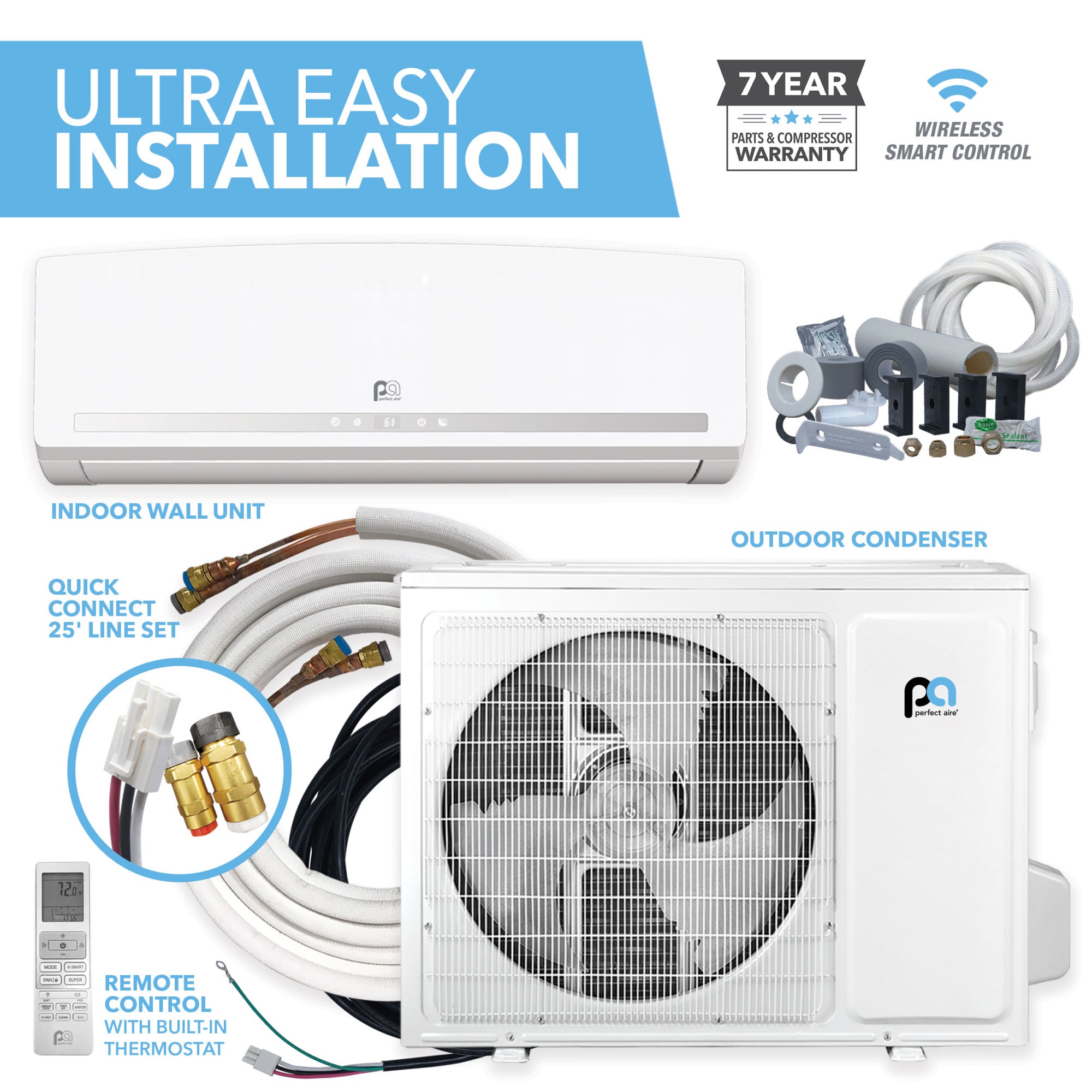
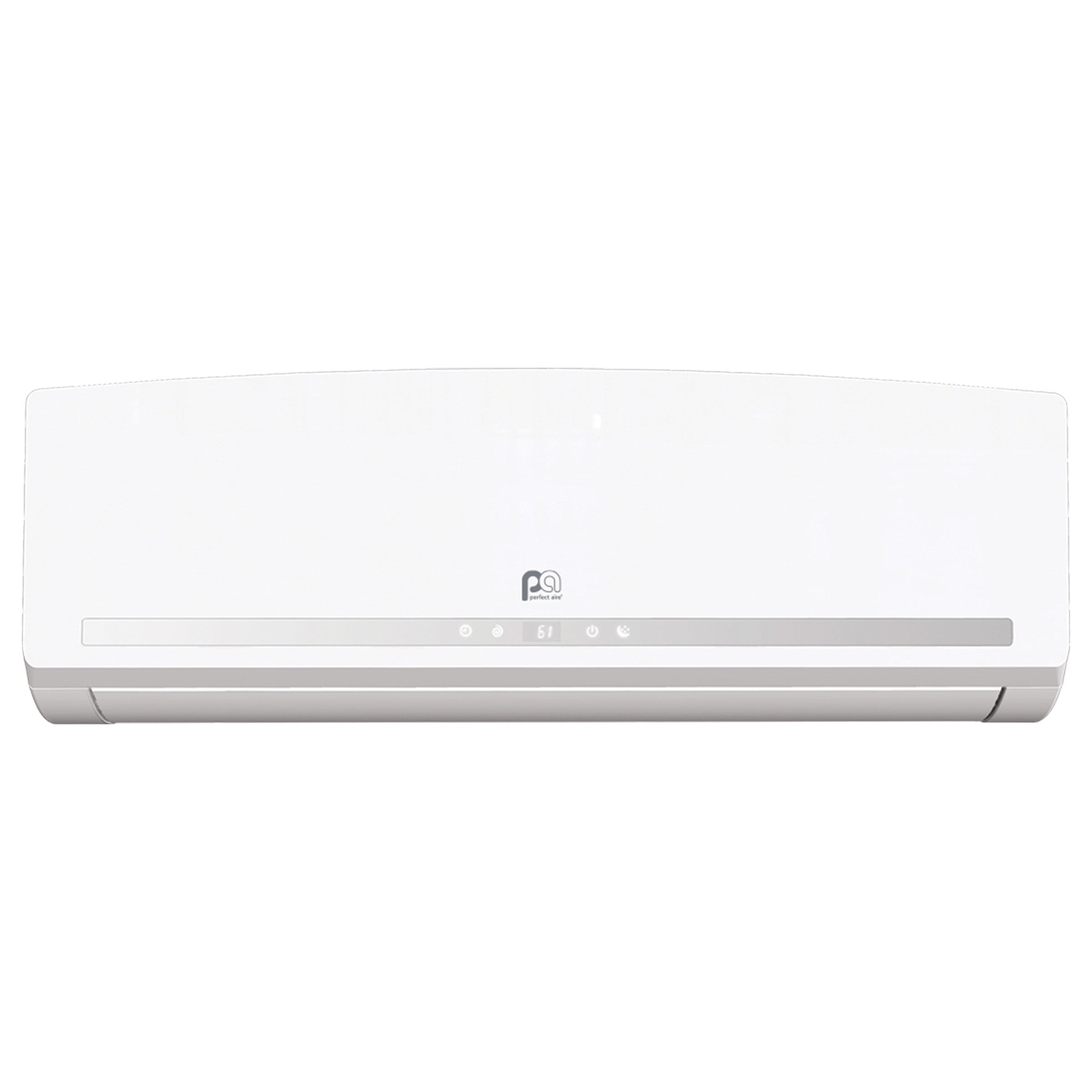
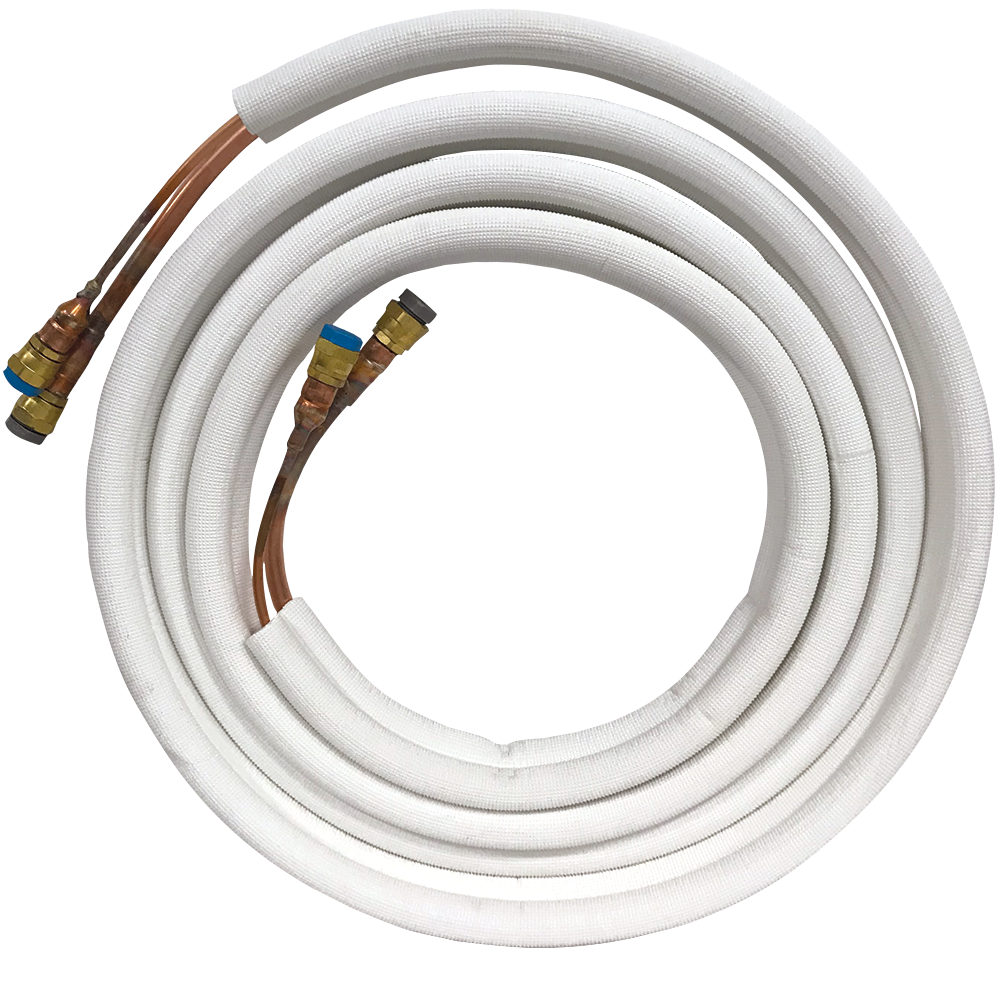
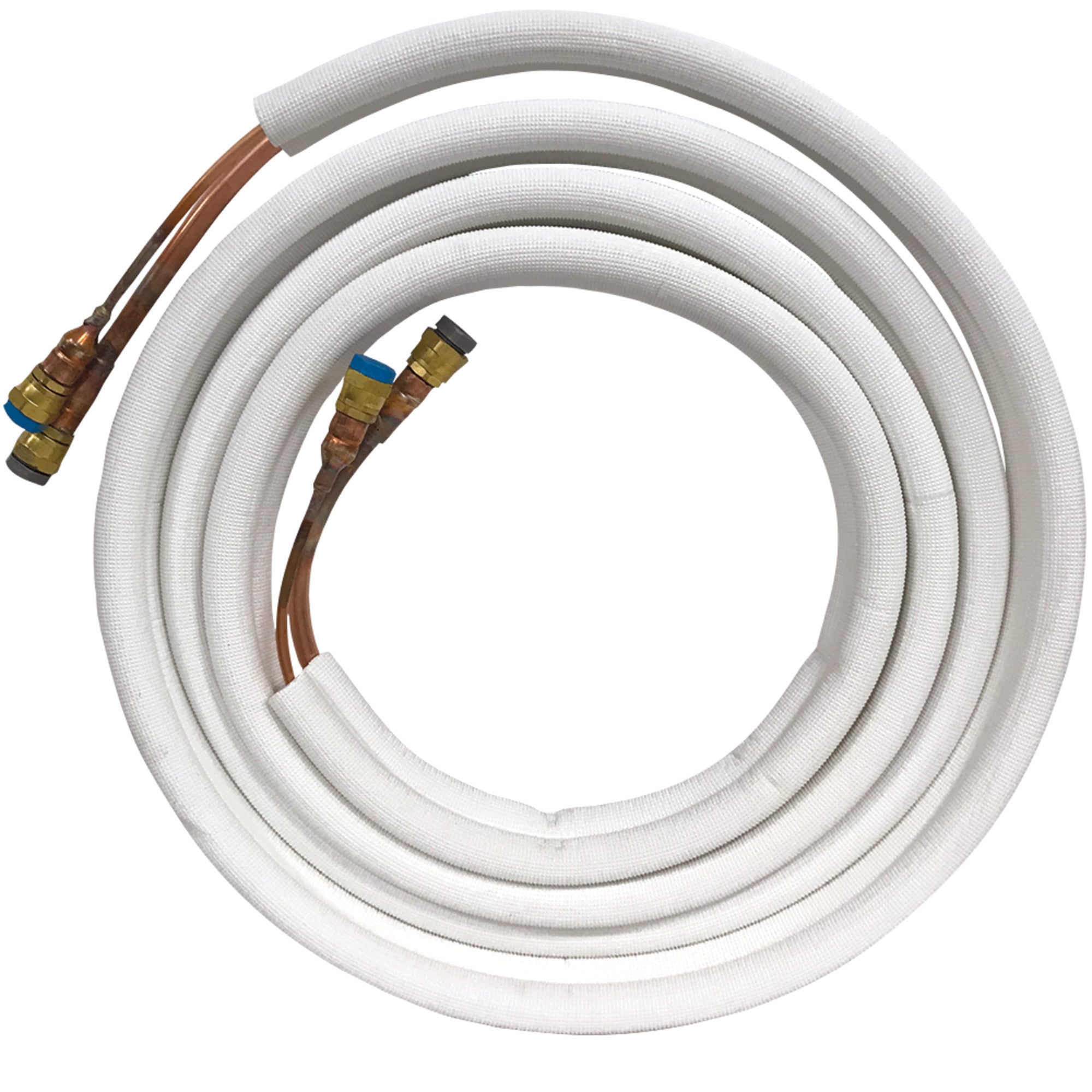
Zoned control gives homeowners better visibility and control over their heating, which often leads to more consistent comfort and fewer surprises on monthly energy bills. For those hesitant to take on a major HVAC project, DIY-friendly mini-split options make upgrading feel far more approachable, with predictable costs and no need for specialized equipment.
For homeowners looking to heat smarter, improve comfort in specific spaces, and avoid unnecessary energy loss, mini-splits offer a clear and efficient path forward.
Ready to upgrade your comfort on your own terms? Explore our selection of DIY mini-splits at The HVAC Spot and find a system designed to heat the rooms that matter most.