
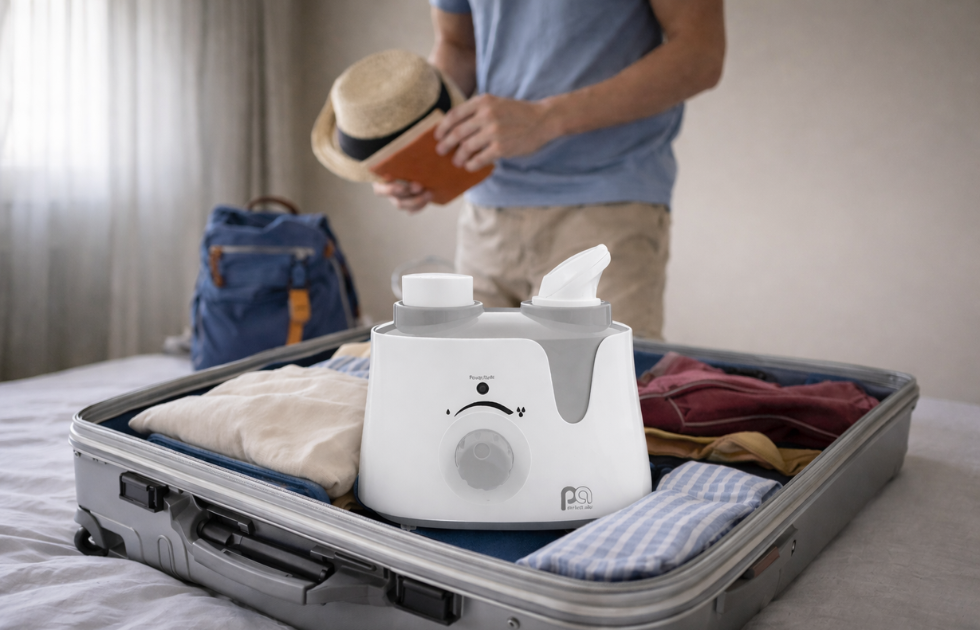
Winter weather does more than drop the temperature outside. As homes and buildings rely on heating systems, indoor air often becomes dry and uncomfortable. That dryness can show up in ways people feel every day, like irritated sinuses, dry skin, restless sleep, and static-filled rooms.
Humidifiers are a simple solution, but getting the most benefit takes more than just turning one on. Placement, water choice, cleaning habits, and even how long you run the unit all play a role in how effective it is.
The tips below break down how to get the most out of your humidifier during winter, so you can improve comfort and avoid common mistakes that limit performance.
1. Use the Right Type of Humidifier for Your Space
Choosing the right humidifier for your space is the first step to getting real benefits in winter.
Evaporative humidifiers add moisture naturally by pulling air through a wick filter. They are often praised for reducing mineral spread, but they tend to be bulkier and require more frequent filter maintenance.
Cool mist humidifiers are a more common and flexible option. They work well in bedrooms, offices, and living spaces, are easy to use, and provide consistent moisture without heating water. For overnight use, especially in bedrooms or while traveling, travel humidifiers are often the best fit. They provide targeted moisture without overpowering the space, which is ideal for sleep and unfamiliar environments like hotel rooms.
Best humidifier models:
- Use larger cool mist humidifiers for bedrooms and everyday home use
- Choose travel humidifiers for overnight trips, guest rooms, or small spaces
2. Place Your Humidifier in the Right Spot
Where you place your humidifier has a big impact on how well it works. Poor placement can limit moisture distribution or create unwanted condensation.
For best results, set your humidifier on a flat, elevated surface like a dresser or nightstand. This helps moisture disperse evenly through the air instead of settling on floors or furniture.
Avoid placing humidifiers directly against walls, near electronics, or under shelves where moisture can build up. When using a humidifier overnight, keep it a few feet away from your bed so mist is not blowing directly toward your face or bedding. This helps maintain comfort while avoiding excess moisture buildup.
In larger rooms, positioning the humidifier near the center of the space helps balance humidity levels. In smaller spaces or hotel rooms, keeping it clear of vents and heat sources prevents moisture from being pushed out too quickly.
Quick placement tips:
- Use a raised surface for better airflow
- Keep distance from walls, electronics, and vents
- Avoid directing mist straight at people or furniture
3. Use the Right Water (and Know Why It Matters)
The type of water you use in your humidifier affects both performance and maintenance, especially during heavy winter use.
Tap water is convenient, but it often contains minerals that can build up inside the unit over time. In some humidifiers, those minerals can also end up in the air as fine dust. Using distilled water reduces mineral buildup and helps keep the unit running cleaner for longer periods.
When traveling, water quality can vary from place to place. Using distilled or filtered water in portable humidifiers helps reduce mineral buildup and keeps the unit running clean, even on short trips.
Water tips for winter use:
- Distilled water helps reduce mineral buildup
- Clean the unit more frequently when using tap water
4. Don’t Over-Humidify Your Space
More humidity is not always better. Over-humidifying can lead to condensation on windows, damp surfaces, and even mold growth, especially during winter when homes are sealed tight.
A comfortable indoor humidity level typically falls between 30–50%. Staying in this range helps relieve dryness without creating excess moisture problems. Cold snaps, warmer winter days, and room size all affect how much moisture your space actually needs. If your windows start fogging up or surfaces feel damp, it’s a sign the humidity level may be too high.
Signs you may be over-humidifying:
- Condensation on windows or walls
- Damp or musty smells
- Surfaces feeling wet or sticky
5. Clean Your Humidifier Regularly
Winter is when humidifiers work the hardest, which also means they need more frequent cleaning. Without regular maintenance, moisture can create a breeding ground for bacteria or mold inside the unit.
A simple routine goes a long way. Empty and refill the water tank daily when the humidifier is in regular use, and give it a deeper clean at least once a week. Follow the manufacturer’s cleaning instructions and avoid harsh chemicals that could damage internal components.
If you’re using tap or filtered water, mineral buildup may happen faster, making consistent cleaning even more important throughout the season. If you travel with a humidifier, empty and dry it before packing to prevent moisture buildup during transport.
Winter cleaning tips:
- Empty leftover water daily
- Clean the tank and base weekly
- Increase cleaning frequency with tap water use
Small Adjustments, Better Winter Comfort
Using a humidifier in winter can make a noticeable difference in how your home feels day to day, but the biggest benefits come from using it thoughtfully. Choosing the right size, placing it correctly, using clean water, and keeping up with regular maintenance all help ensure consistent, comfortable humidity without unwanted side effects.
Whether you’re improving sleep at home or dealing with dry air while traveling, the right humidifier setup helps protect comfort throughout the season.
If you’re looking for a reliable solution this winter, explore cool mist and travel humidifiers at The HVAC Spot. From everyday bedroom use to compact options designed for trips, you’ll find humidifiers built to make dry winter air easier to live with.