Summer comfort is not just about temperature.
You can set the thermostat to a reasonable number and still feel sticky, damp, chilly, or just off. That usually means the moisture level in the air is part of the problem.
That's where humidifiers and dehumidifiers come in.
One adds moisture to the air. The other removes it. Simple enough, until your house starts feeling uncomfortable and you're not sure which direction the problem is going.
In summer, most homes are more likely to need help removing moisture, especially in humid climates, basements, laundry areas, or rooms where the AC struggles to keep up.
But there are still situations where dry air can be an issue.
Let's break down when you need a humidifier, when you need a dehumidifier, and how your air conditioner fits into the whole moisture situation.
Quick Answer: Do You Need a Humidifier or Dehumidifier in Summer?
In summer, most homes are more likely to need a dehumidifier than a humidifier.
Warm air holds more moisture, and high humidity can make your home feel sticky, musty, or warmer than the thermostat reading. A dehumidifier removes excess moisture from the air, which can improve comfort and help your AC work more effectively.
A humidifier is usually only needed in summer if your indoor air is unusually dry. That can happen in dry climates, heavily air-conditioned spaces, or homes where indoor humidity drops below the recommended comfort range.
What's the Difference Between a Humidifier and a Dehumidifier?
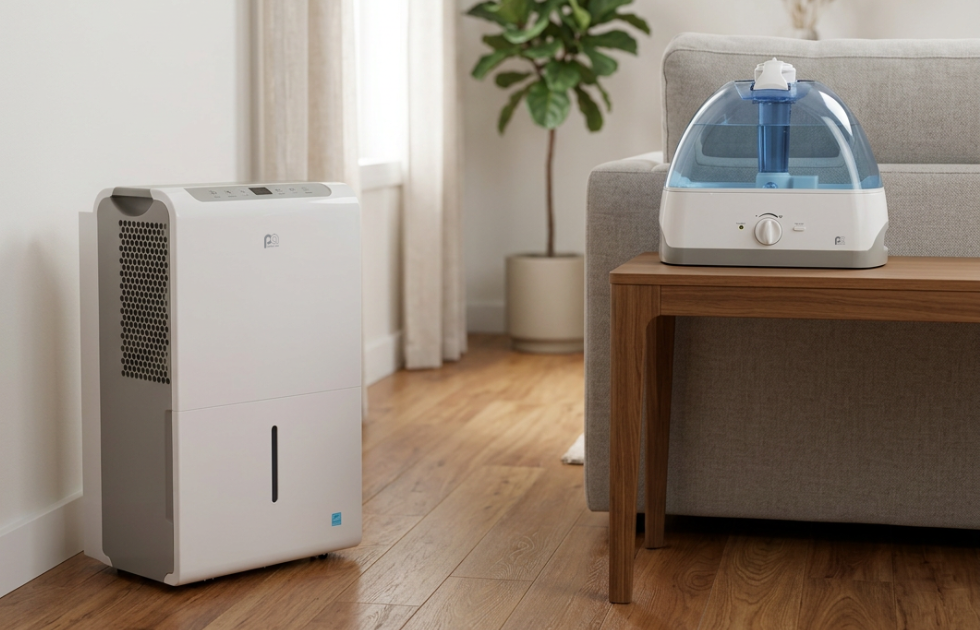
A humidifier and a dehumidifier do opposite jobs.
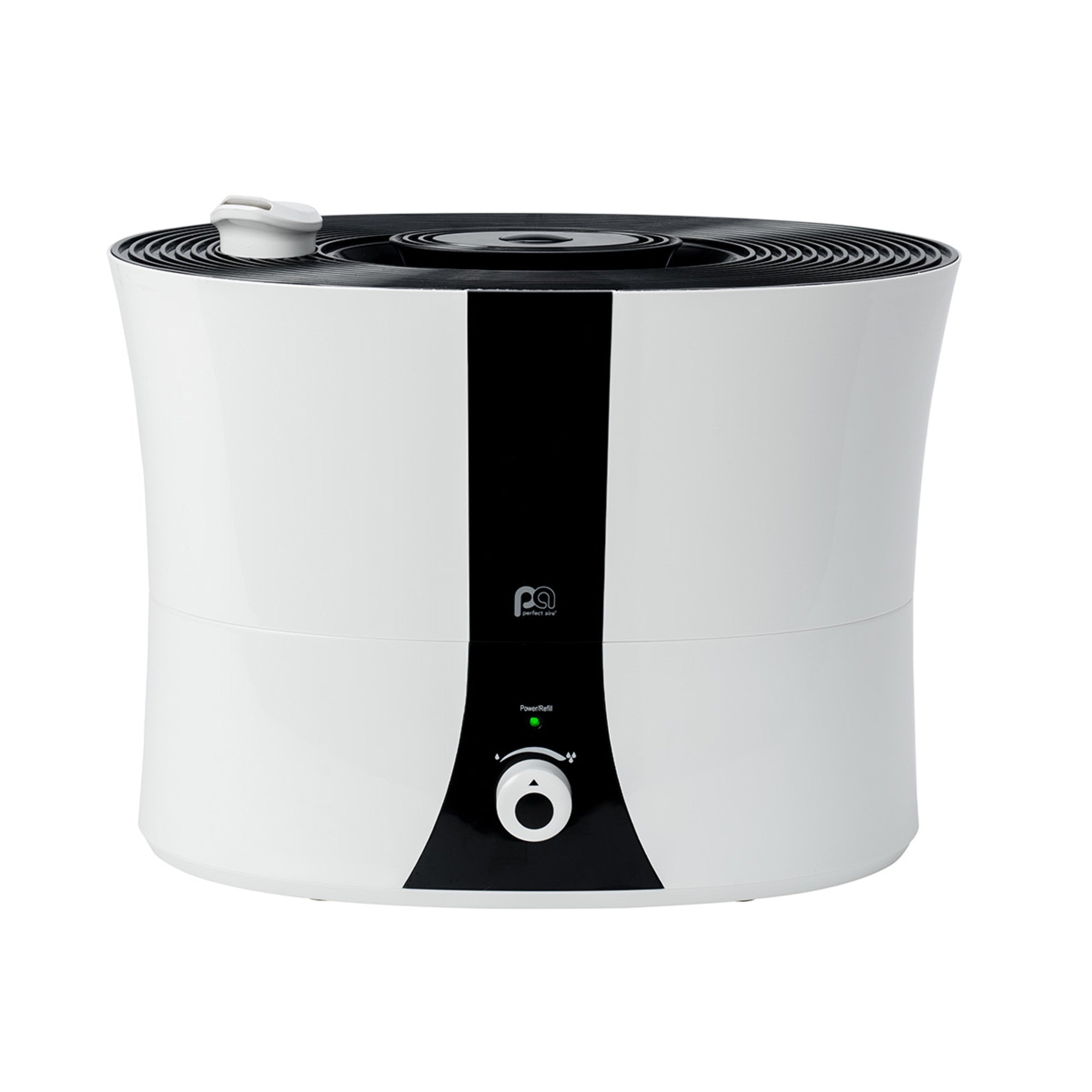
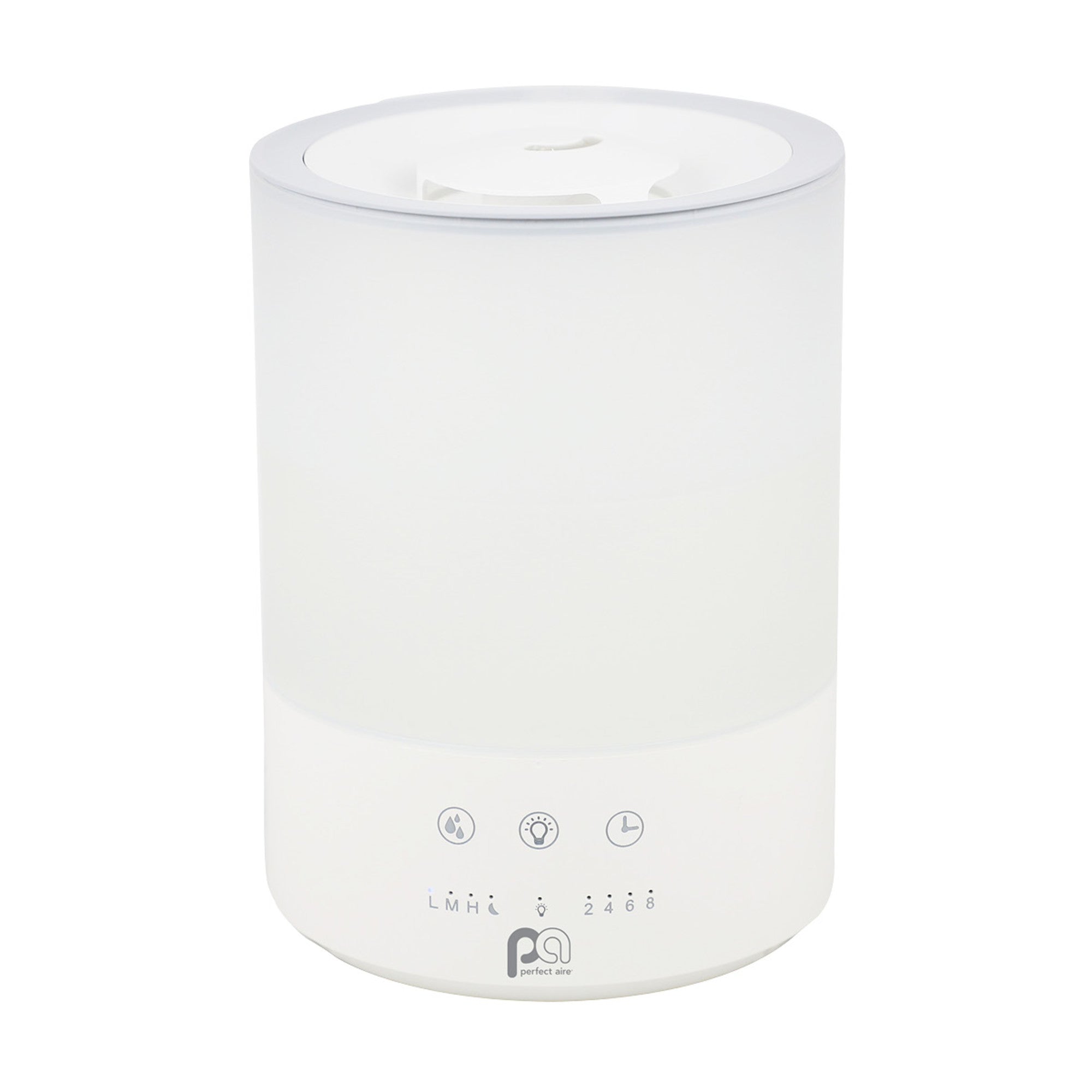
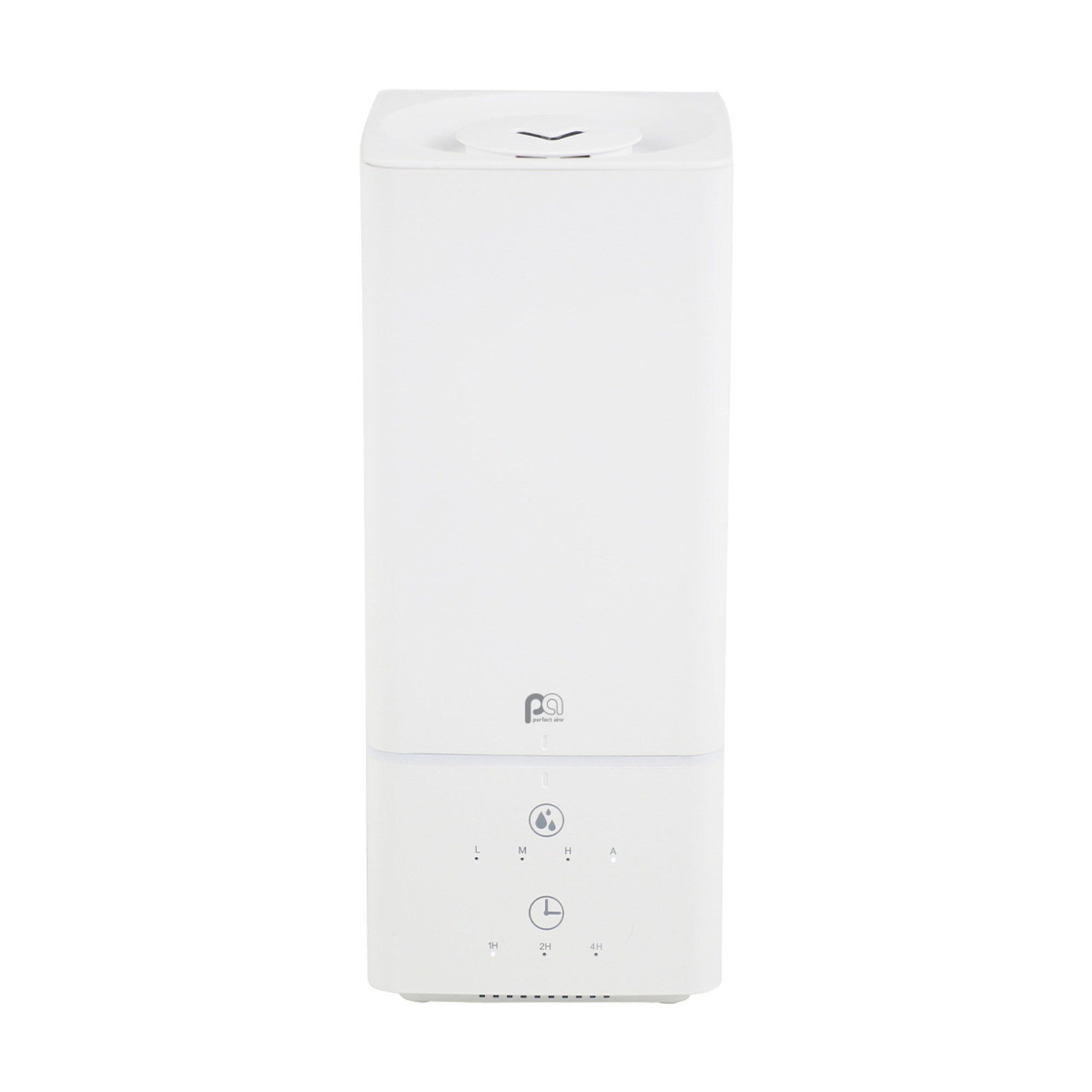
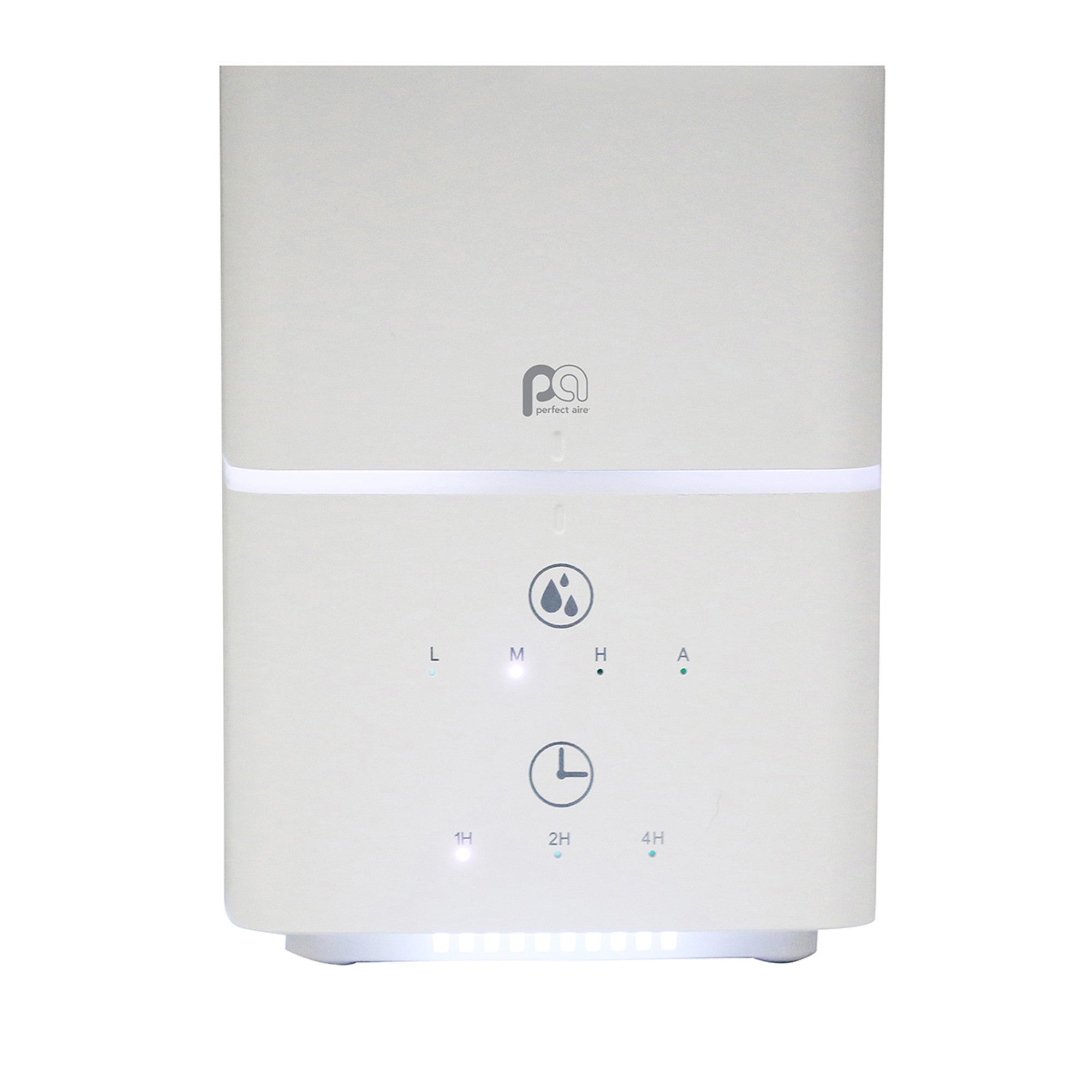
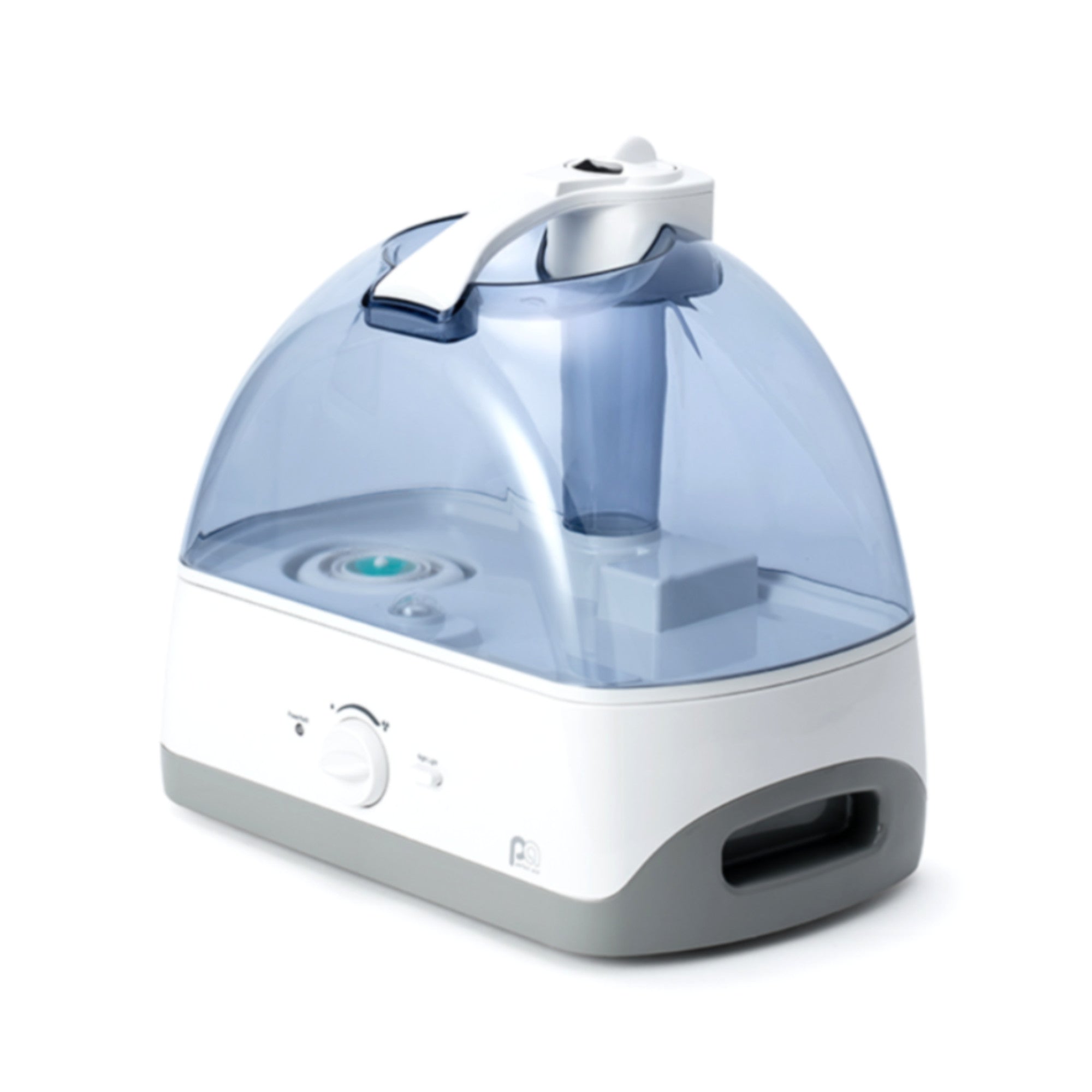
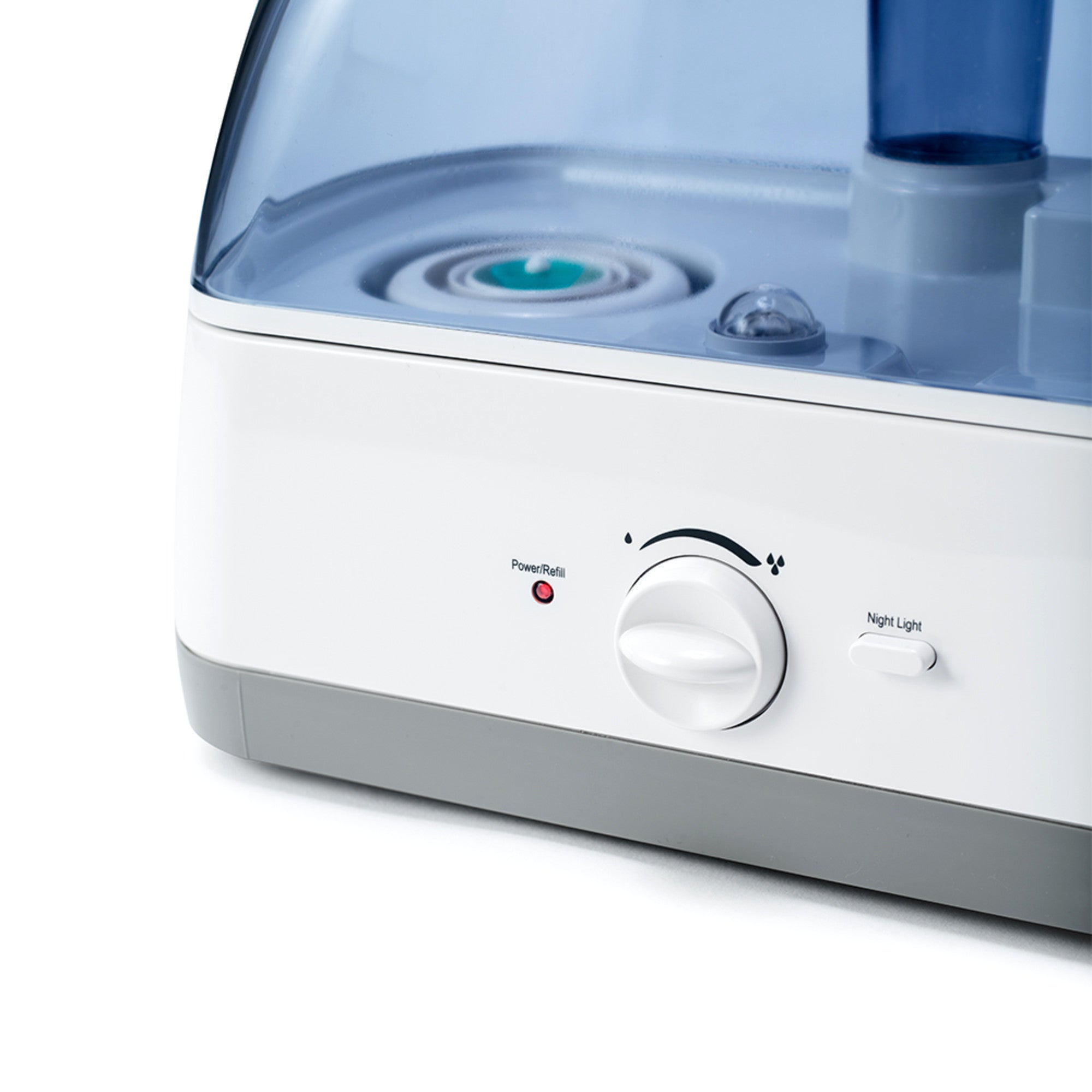
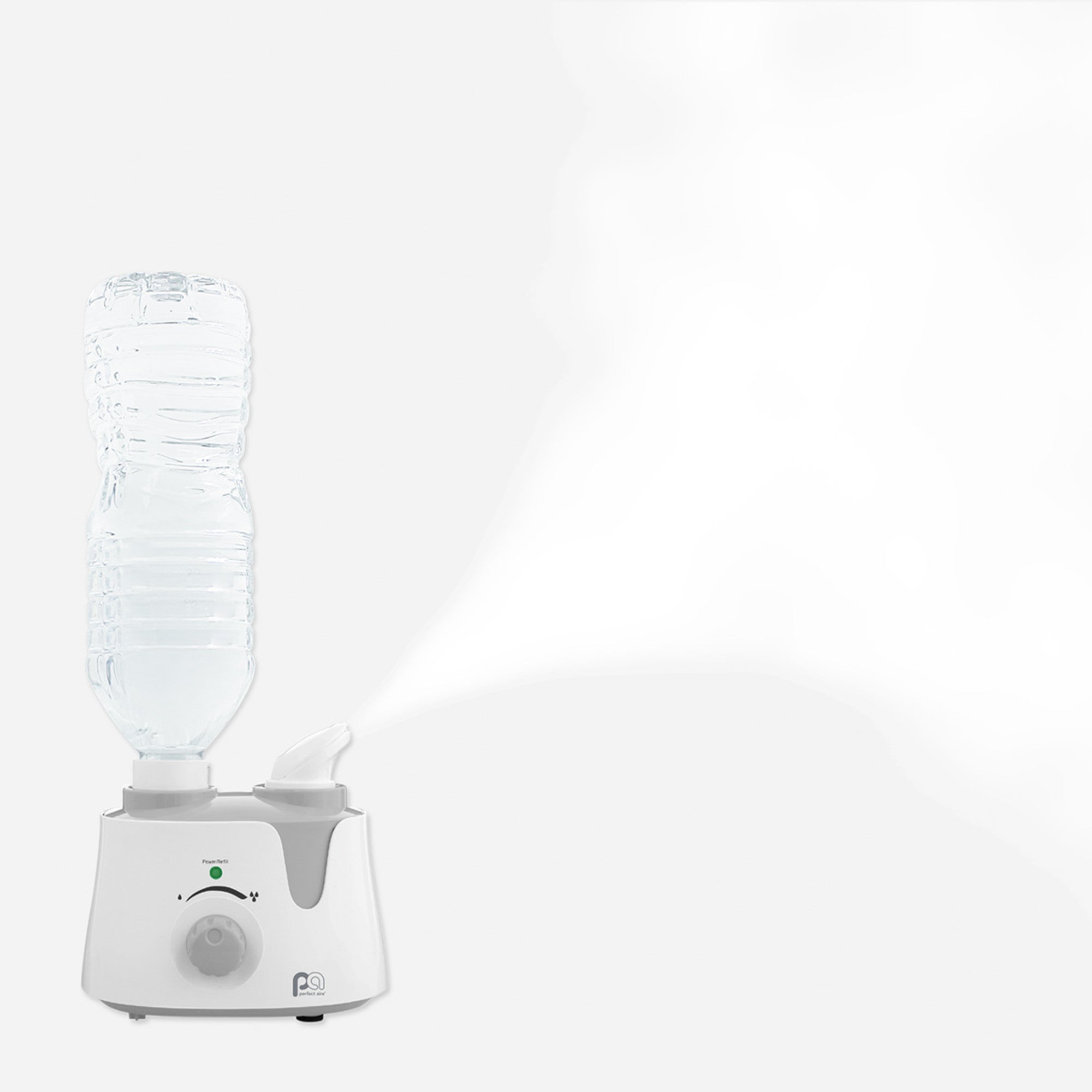
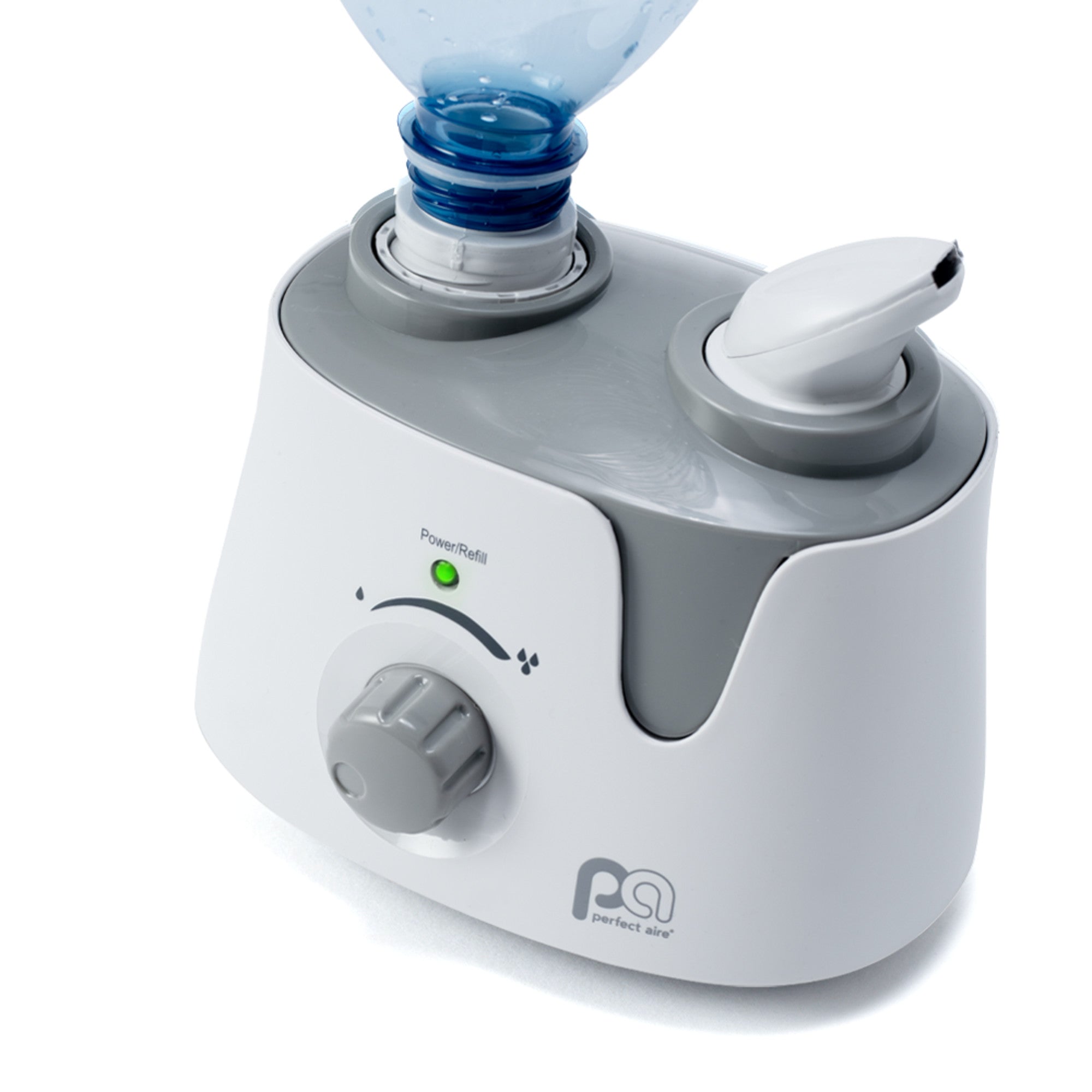
A humidifier adds moisture to the air. It's usually used when indoor air is too dry, which can lead to dry skin, irritated sinuses, static electricity, or scratchy throats.
A dehumidifier removes moisture from the air. It's used when indoor air is too damp, which can make rooms feel sticky, musty, or harder to cool.
Here's the simple version:
| If Your Air Feels… | You May Need… |
|---|---|
| Dry, scratchy, or full of static | Humidifier |
| Damp, sticky, or musty | Dehumidifier |
| Comfortable and balanced | Neither, just monitor humidity |
The easiest way to know for sure is to use a small humidity meter, also called a hygrometer. That gives you a real number instead of guessing based on how the room feels. For most homes, the goal is to keep indoor humidity between 30% and 50%. If your home is consistently above that range, a dehumidifier is probably the better choice. If it is consistently below that range, a humidifier may help.

When You Need a Dehumidifier in Summer
A dehumidifier is usually the better choice when your home has too much moisture in the air.
That can happen during hot, humid weather, especially in areas that naturally hold moisture or do not get much airflow.
You may need a dehumidifier in summer if you notice:
- Sticky or damp-feeling air
- Musty odors
- Condensation on windows or walls
- Damp basements or crawl spaces
- Mold or mildew spots
- An AC that runs often but the house still feels humid
Basements, laundry rooms, bathrooms, and lower levels are common problem areas. These spaces tend to stay cooler, which can cause moisture to linger.
A dehumidifier helps by pulling that excess moisture out of the air. That can make the space feel more comfortable, reduce musty odors, and help your cooling system do its job more effectively.
When You Might Need a Humidifier in Summer
A humidifier is less common in summer, but it can still be useful in certain situations.
You may need a humidifier if your indoor air feels too dry, even when the weather outside is warm.
This can happen in:
- Dry climates
- Heavily air-conditioned spaces
- Rooms where humidity stays below 30%
- Homes where people notice dry skin, scratchy throats, or irritated sinuses
Air conditioning naturally removes some moisture from the air as it cools. In most homes, that helps. But in very dry conditions or spaces where the AC runs constantly, indoor air can sometimes become too dry.
A humidifier can help bring moisture back into balance when humidity drops below the comfort range.
The key is not to add moisture just because it's summer. Check the humidity level first. If the air is already humid, a humidifier will only make the problem worse.
How Your AC Affects Indoor Humidity
Your air conditioner does more than lower the temperature. It also removes some moisture from the air.
As warm indoor air passes over the cooling coil, moisture condenses and drains away. That's one reason a properly working AC can make a room feel less sticky in summer.
But your AC may not always remove enough humidity on its own.
That can happen if:
- The system is too large and cools the room too quickly without running long enough to remove moisture
- The system is too small and runs constantly but still cannot keep up
- The room has poor airflow or limited ventilation
- The home has excess moisture from basements, laundry areas, cooking, showers, or humid outdoor air
If your AC is running but the house still feels damp, humidity may be the real problem.
In that case, a dehumidifier can help reduce the moisture load so your cooling system can focus on cooling. Less moisture in the air often means the room feels more comfortable without needing to lower the thermostat as much.

Quick Decision Guide: Humidifier or Dehumidifier?
Still not sure which one you need? Start with how the air feels, then check the humidity level if you can.
| What You Notice | Likely Issue | Best Choice |
|---|---|---|
| Air feels sticky or damp | Too much moisture | Dehumidifier |
| Musty odors in basement or laundry room | Excess humidity | Dehumidifier |
| Condensation on windows or walls | Humidity is too high | Dehumidifier |
| AC runs but the room still feels humid | Moisture load is too high | Dehumidifier |
| Dry skin, scratchy throat, or static | Air may be too dry | Humidifier |
| Humidity below 30% | Not enough moisture | Humidifier |
| Humidity between 30% and 50% | Balanced air | Monitor, no major change needed |
A humidity meter can make this decision much easier. Feel is useful. A number is better.
Keep Summer Comfort in Balance
Summer comfort is about more than the number on the thermostat.
If your home feels sticky, damp, or musty, a dehumidifier is usually the better choice. If the air feels dry, scratchy, or full of static, a humidifier may help bring moisture back into balance.
The best place to start is with a simple humidity reading. Most homes feel best when indoor humidity stays between 30% and 50%.
At The HVAC Spot, we carry dehumidifiers, humidifiers, and cooling solutions to help you manage indoor comfort through every season.
Explore your options and find the right way to keep your home feeling comfortable, not just cool.