
Most homeowners don’t start out thinking, “I need a mini-split.” They start by noticing something isn’t working.
A room that never feels right. An addition that’s uncomfortable year-round. A space heater that’s been plugged in a little too long. A renovation that raises a new heating and cooling question.
Mini-splits are not just an alternative to central air. In many homes, they’re the most practical solution for very specific problems.
If any of the situations below sound familiar, your house might be telling you it’s time.
1. That One Room That’s Always Uncomfortable
Every house has one.
The bedroom that never warms up in winter. The bonus room over the garage that feels like a freezer in January and an oven in July. The space at the end of a long duct run that never quite matches the thermostat.
Central systems heat the whole house, but they don’t always heat it evenly.
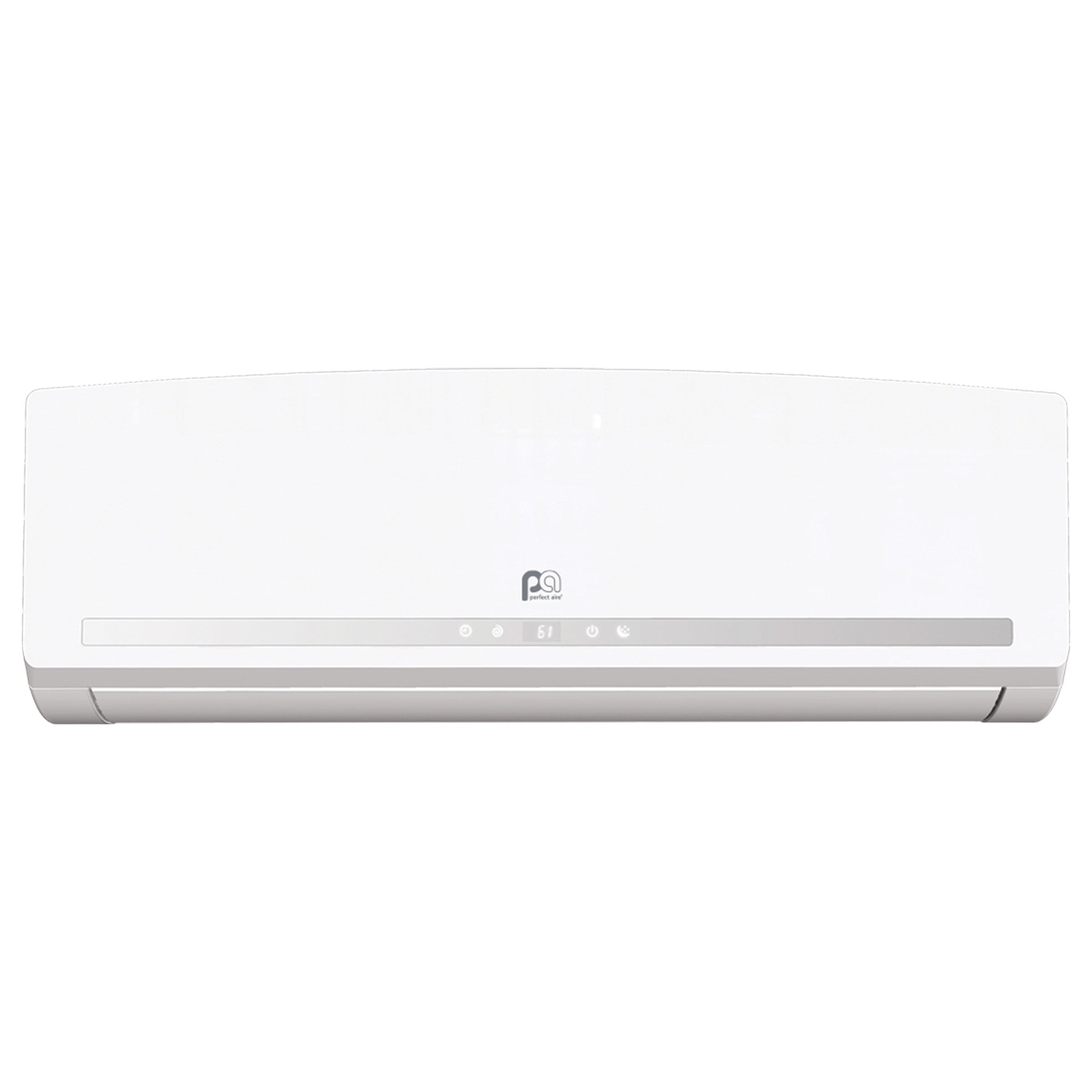
A mini-split solves that problem by delivering heating and cooling directly into the room that needs it. No duct losses. No waiting for airflow to travel across the house. Just targeted comfort where traditional systems fall short.
For many homeowners, this is the first sign that their house needs a mini-split.
2. You’re Adding or Finishing a Space
Turning an attic into a bedroom. Building out a garage gym. Finishing a bonus room so it’s actually usable year-round.
The project starts as a renovation… and quickly turns into an HVAC conundrum.
Extending existing ductwork can be expensive and invasive. In older homes, it may not even be practical. A mini-split gives you a clean, self-contained heating and cooling solution without opening up walls or reworking your entire system.
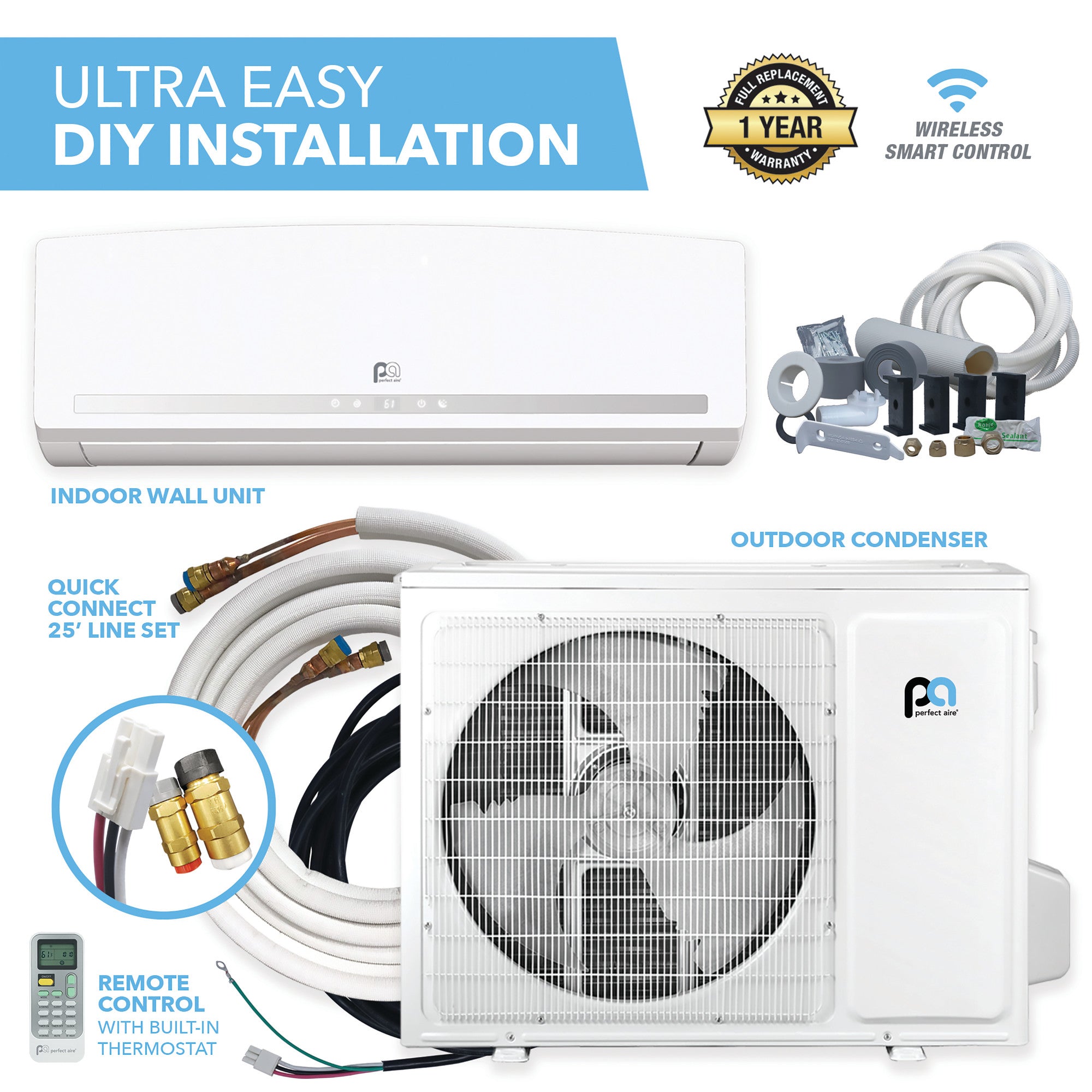
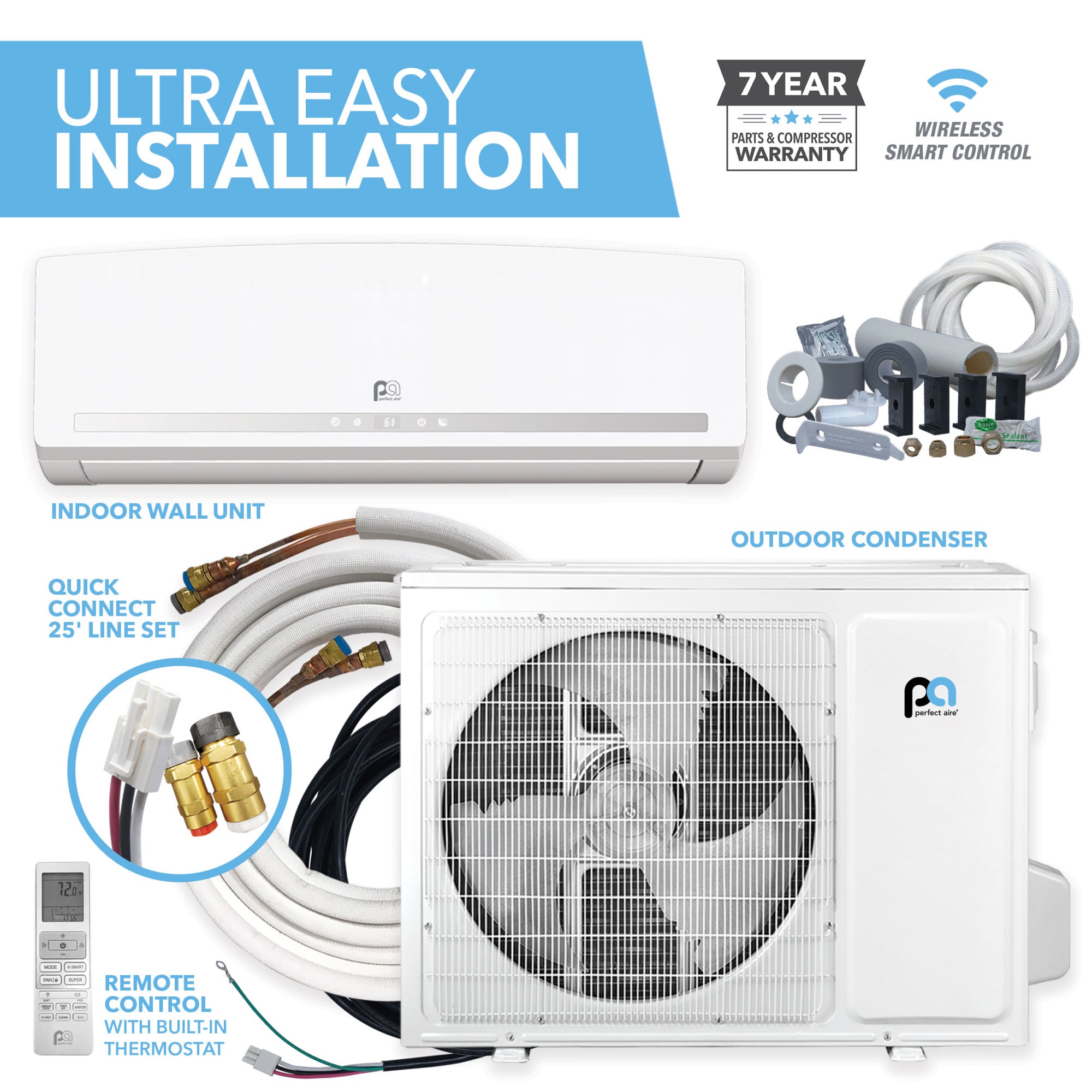
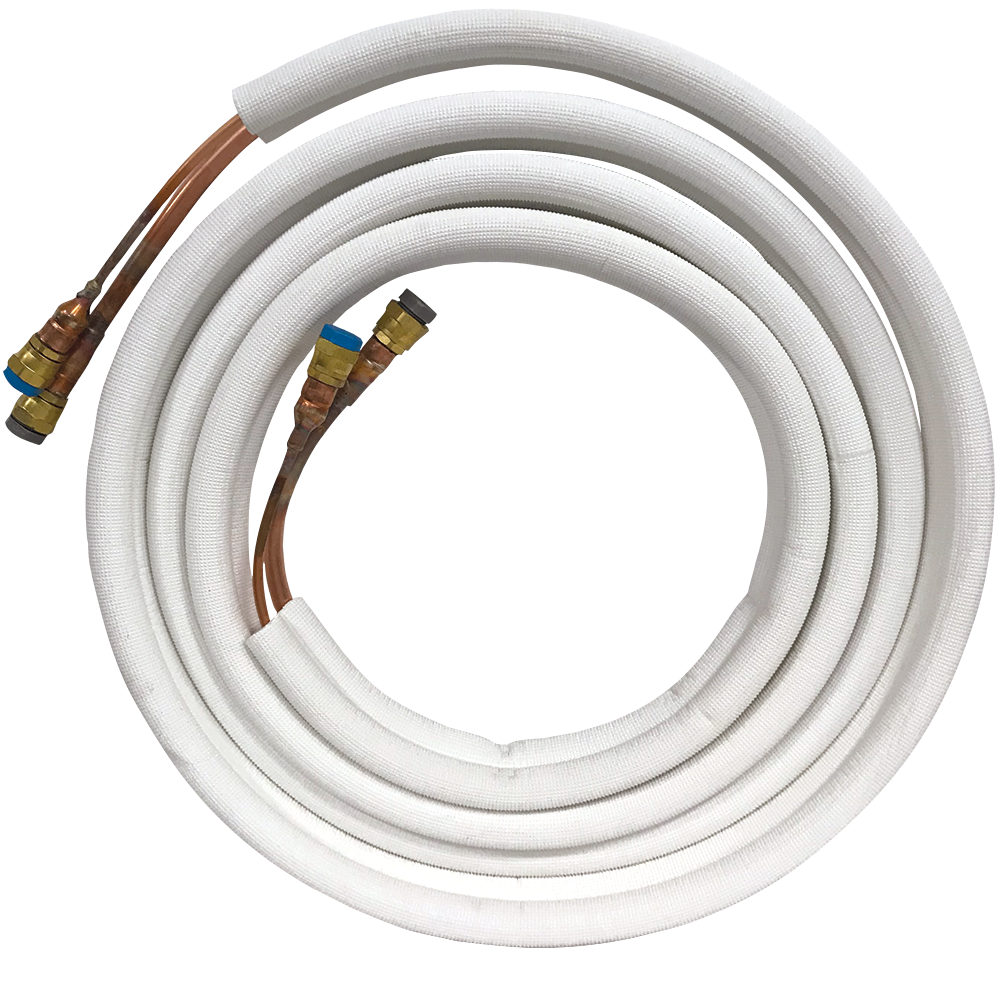
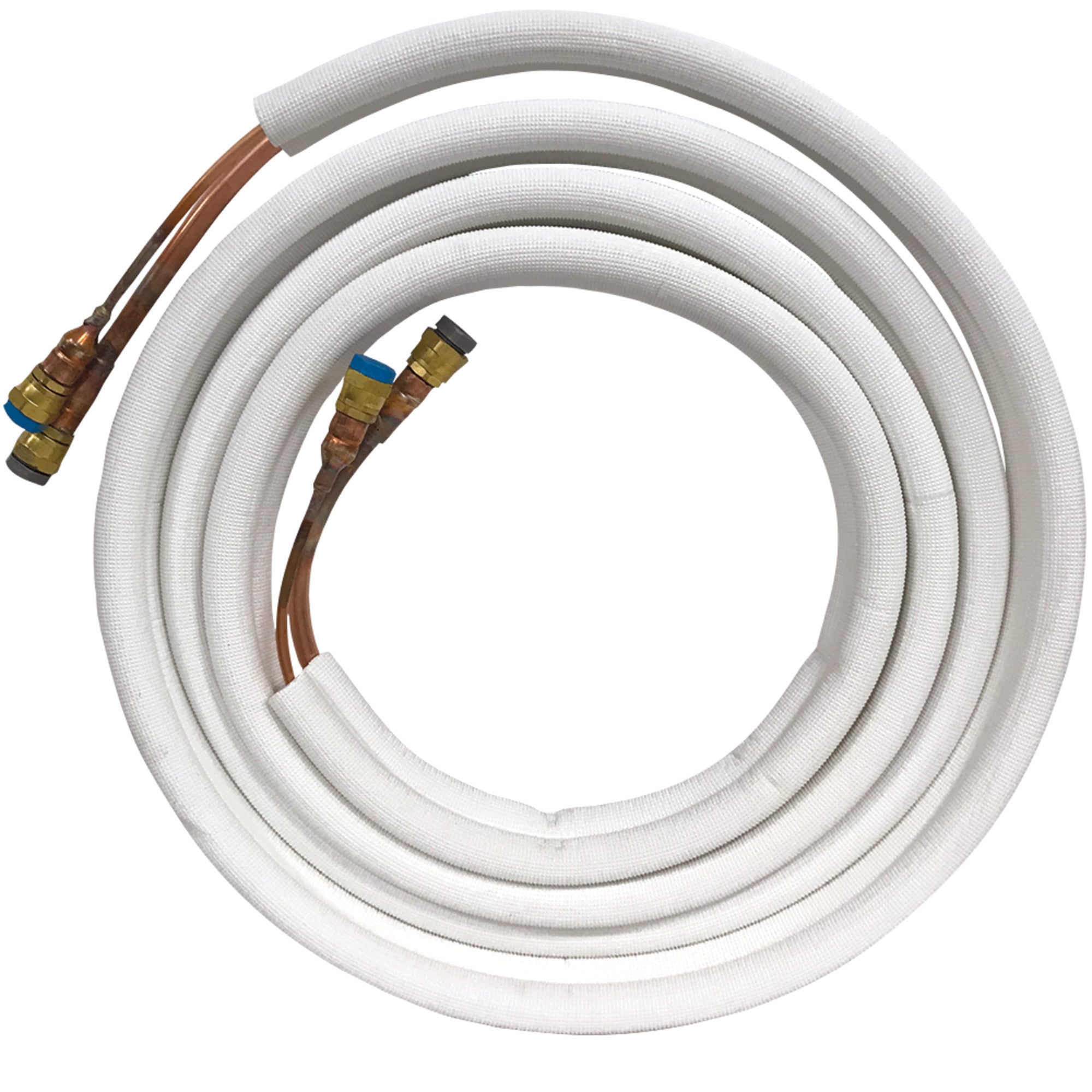
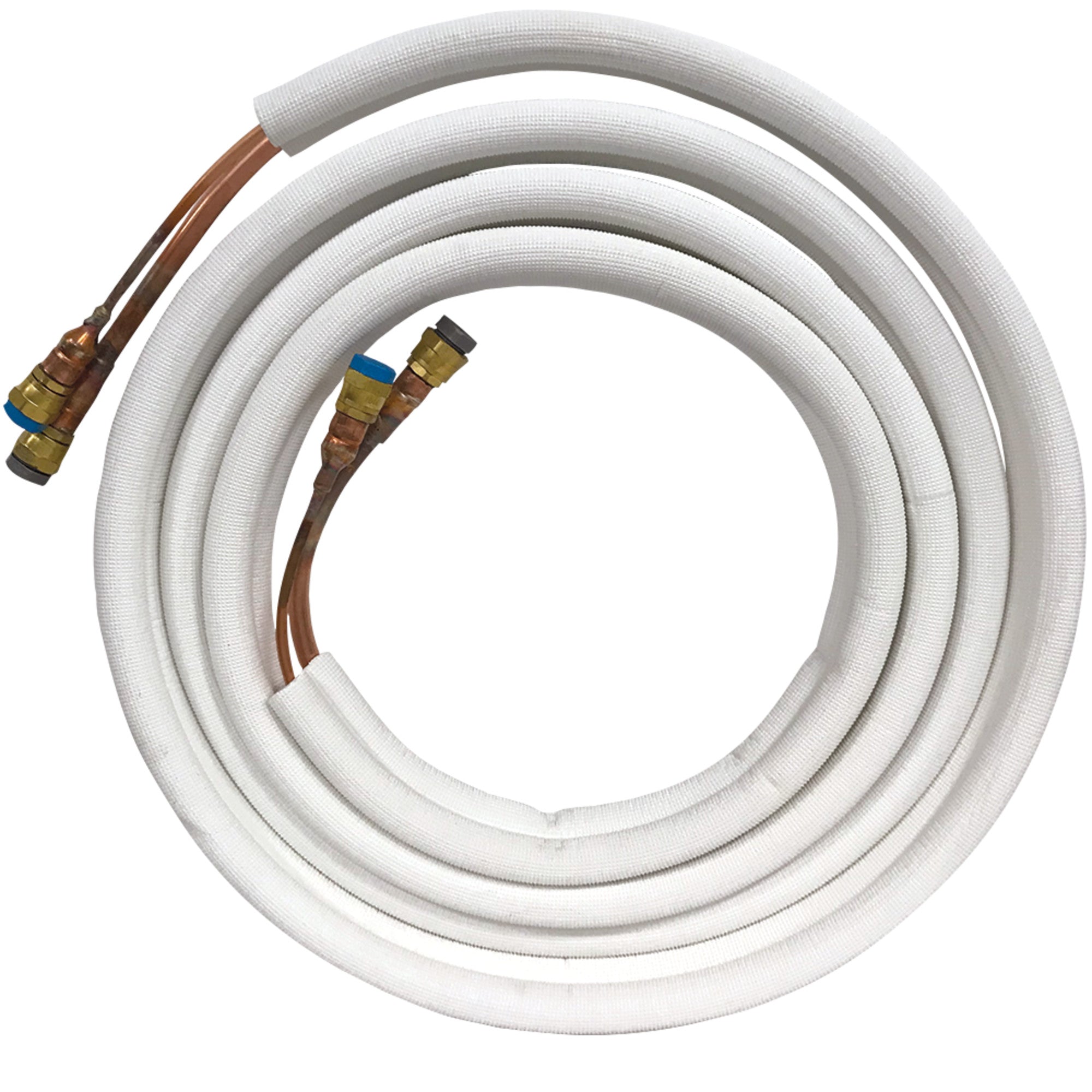
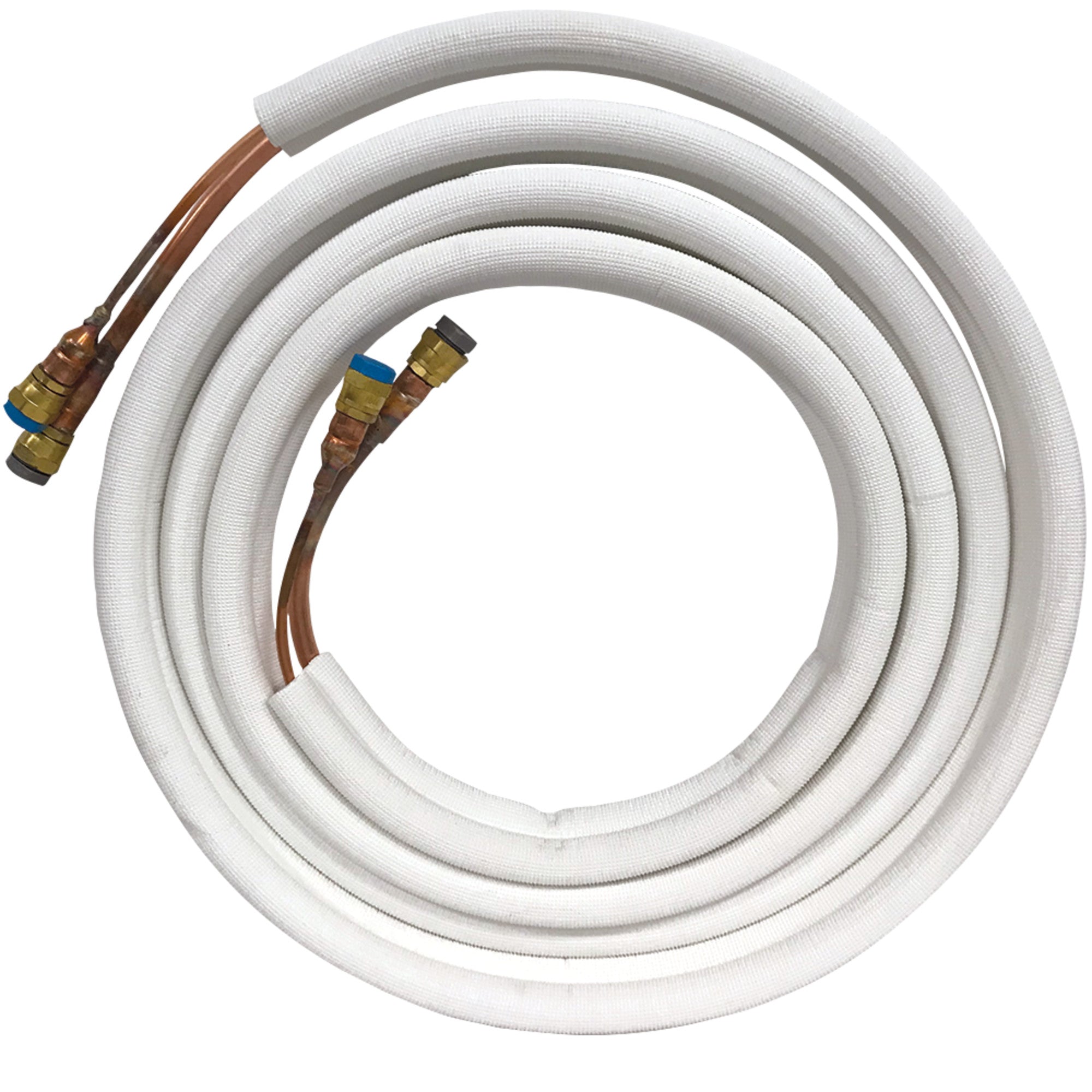
For DIY homeowners, this is where quick-connect systems really shine. You can install climate control as part of the renovation yourself, without waiting on a full HVAC crew or specialized tools.
Instead of treating comfort as an afterthought, you build it in from day one.

3. Your Home Was Built Before Central Air
Many homes built before the 1970s were never designed for ductwork.
Adding central air later often means cutting into walls, ceilings, or closets to run bulky ducts. It can get invasive fast. It can also get expensive.
Mini-splits were built for homes like this.
They require only a small wall opening to connect the indoor and outdoor units. No tearing into framing. No sacrificing closet or ceiling space. No major remodeling just to stay comfortable.
If you love your older home but hate the temperature swings, a ductless system lets you upgrade comfort without compromising the structure.

4. You’re Using Space Heaters as a Permanent Fix
Be honest — is there a space heater plugged in somewhere right now?
Space heaters are fine for temporary warmth. But if they’ve become your long-term solution, that’s usually a sign something else isn’t working.
They can drive up your electric bill, create safety concerns, and still leave the room feeling uneven. You’re paying a lot for heat that isn’t well controlled.
A mini-split gives you built-in, efficient heating designed to run continuously and safely. Instead of chasing warmth with portable units, you get steady comfort controlled by a thermostat.
If extension cords and glowing coils have become part of your daily routine, it may be time for a more permanent upgrade.
5. You Work From Home or Rarely Use Certain Rooms
When you work from home, you’re often spending eight hours a day in one room.
But your central system doesn’t know that. It heats or cools the entire house to satisfy a thermostat that may be nowhere near your workspace.
The same thing happens in larger homes with formal living rooms, guest rooms, or dining areas that sit empty most of the week. You’re paying to condition space that no one is using.
You can keep your home office comfortable during the day without running the whole-house system. You can prioritize the rooms you actually live in and scale back the rest.
It’s not about adding more heat. It’s about using it where it matters.

6. You Want a Secondary Heating Solution Without Ductwork
Sometimes you don’t need to replace your entire system. You just need backup.
Maybe your furnace handles most of the house, but one area still struggles. Maybe you want an extra layer of heating for colder months without committing to a full HVAC overhaul.
A mini-split can serve as a supplemental system, stepping in where your main setup falls short. It adds heating capacity without tying into ductwork or requiring major modifications.
For homes in moderate climates, it can even handle the majority of the heating load, with your primary system kicking in only during extreme cold.
It’s flexible. It’s scalable. And it gives you more control without forcing a full-system replacement.
7. You’re Replacing Window Units Every Few Years
If you’ve bought more than one window unit in the last five years, it might be time to rethink the strategy.
Window ACs and portable units are often treated as “good enough” solutions. But they block natural light, add noise, and usually struggle to keep larger rooms comfortable. Over time, the replacement cycle adds up.
It stays mounted, runs more efficiently, and provides both heating and cooling in one system. No seasonal storage. No heavy lifting twice a year. No buying another unit when the old one gives out.
Instead of patching the problem every summer, you solve it once.
Quick Math: When “Temporary” Gets Expensive
If a window AC costs $300–$500, replacing it 4 times adds up to $1,200–$2,000.
That’s the price range of many single-zone DIY mini-split systems.
In other words, you could keep rebuying a temporary fix — or pay once for a long-term solution.
8. Different Family Members Prefer Different Temperatures
Every household has this debate.
Someone is always too cold. Someone else is opening windows in the middle of winter. The thermostat becomes a daily negotiation.
With individual indoor units, each space can be adjusted independently. Bedrooms can be cooler at night. Living areas can stay warmer during the day. Guest rooms don’t need to match the rest of the house.
Instead of compromising on comfort, you can customize it. And when everyone controls their own space, the thermostat arguments tend to disappear.
9. You Own a Multi-Unit or Short-Term Rental Property
Separate living spaces need separate control.
In-law suites, vacation rentals, duplexes, and multi-unit buildings all come with one common challenge: different occupants, different comfort preferences.
Tying everything into one central system can lead to uneven temperatures, higher utility costs, and constant thermostat adjustments.
A mini-split gives each unit or suite independent heating and cooling without extending ductwork or redesigning the entire building system.
For short-term rental hosts, that means guests control their own comfort without affecting the rest of the property. For multi-unit buildings, it reduces strain on shared systems and can simplify maintenance over time.
It’s a clean, contained solution that makes sense for both property owners and occupants.
Ready to Fix the Problem Room?
If you are planning an upgrade, finishing a space, or tired of temporary fixes, explore our full line of DIY Quick-Connect mini-splits at The HVAC Spot.
Each system is designed for straightforward installation, clear electrical requirements, and predictable performance — without the need for specialized HVAC tools.
Measure your space. Plan your placement. Upgrade your comfort. We’ll help you take it from there.