
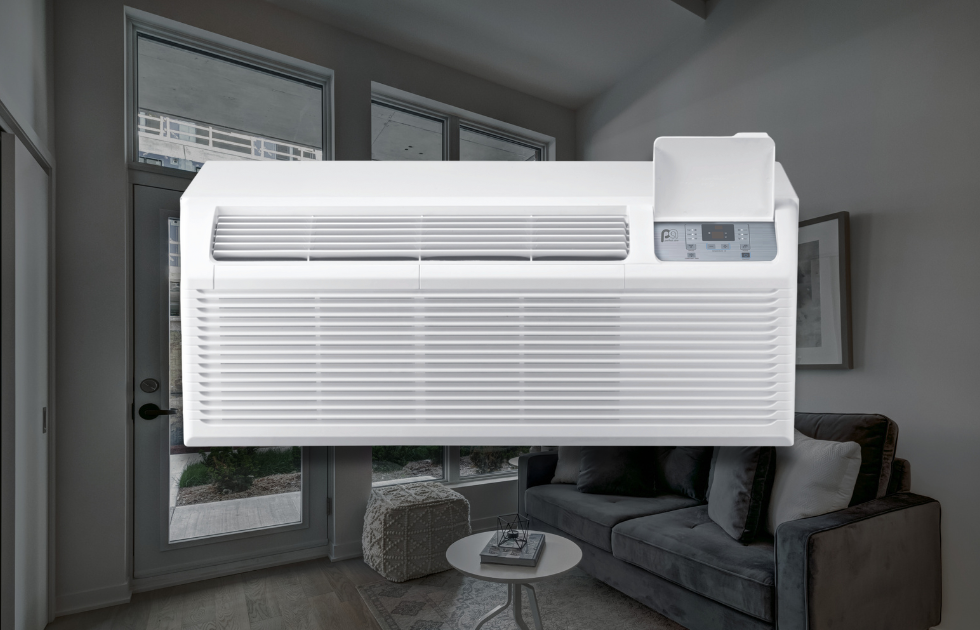
When replacing or specifying a PTAC unit, heating type is one of the most important decisions you’ll make. Electric heat and heat pump PTACs may look similar on the outside, but they behave very differently once installed, especially when it comes to energy use, operating costs, and cold-weather performance.
For contractors and building managers working on retrofits or unit replacements, choosing the wrong heating type can lead to comfort complaints, higher operating costs, or mismatched expectations from property owners. The right choice depends on climate, electrical capacity, usage patterns, and how the space is occupied.
This guide breaks down the difference between electric heat PTACs and heat pump PTACs, explains how each system uses electricity, and highlights when one option makes more sense than the other. Whether you are replacing aging units in an existing building or planning a new installation, understanding these differences upfront helps avoid costly mistakes later.
How Electric Heat PTAC Units Work
Electric heat PTACs use resistance heating, which means electricity is converted directly into heat. Inside the unit, electric heating elements warm up when the system calls for heat, and a fan pushes that warm air into the room.
From an installation standpoint, electric heat PTACs are straightforward. There are no reversing valves, defrost cycles, or outdoor temperature considerations. If the unit has power, it can produce heat. That reliability is one reason electric heat PTACs are commonly used in colder climates or in buildings where consistent winter performance matters more than peak efficiency.
However, this simplicity comes with a tradeoff. Because electric resistance heat creates warmth rather than moving it, it uses more electricity per BTU than a heat pump. This is why electric heat PTACs often have higher operating costs during long heating seasons, even though they are predictable and easy to spec.
Key characteristics of electric heat PTACs:
- Delivers consistent heat regardless of outdoor temperature
- Simpler internal components
- Higher electrical demand during heating operation
- Often paired with higher kW ratings for cold climates
Electric heat PTACs are often selected when existing electrical infrastructure can support the load and when building owners prioritize dependable heat over energy savings.
How Heat Pump PTAC Units Work
Heat pump PTACs heat spaces differently than electric heat models. Instead of creating heat, they move heat from outside to inside using a refrigeration cycle. Even when outdoor temperatures feel cold, there is still usable heat energy in the air that the system can capture and transfer indoors.
Because of this process, heat pump PTACs typically use less electricity to produce the same amount of heat compared to electric resistance models. For buildings in mild to moderate climates, this can translate to noticeable energy savings over the course of a heating season.
That said, heat pump performance is tied to outdoor conditions. As temperatures drop, there is less heat available to extract, and efficiency declines. Most PTAC heat pumps are designed to operate effectively down to a certain temperature threshold, below which supplemental electric heat or an alternate heating source may be needed. For example, Perfect Aire heat pump PTACs are rated to operate in temps as low as 25°F.
From a system complexity standpoint, heat pump PTACs include additional components such as reversing valves and defrost controls. These features improve efficiency but also add considerations during replacement or troubleshooting.
Key characteristics of heat pump PTACs:
- Uses electricity more efficiently during heating operation
- Lower operating costs in moderate climates
- Performance decreases as outdoor temperatures drop
- More internal components than electric heat models
Heat pump PTACs are often a strong choice in regions with long, hot summers and shorter or milder winters, especially when reducing energy consumption is a top priority.
Understanding kW Heat and BTUs When Choosing a PTAC
When comparing electric heat and heat pump PTACs, understanding how kW and BTUs translate to real-world heating performance helps ensure you are specifying the right unit for the space, climate, and electrical capacity of the building.
BTUs measure heating and cooling output, or how much heat or cool air the unit can deliver to the room. Both electric heat and heat pump PTACs are rated in BTUs, which makes it easier to compare capacity across models. However, BTUs alone do not tell the full story when it comes to energy use.
With electric heat PTACs, the kW rating is directly tied to heating performance and electrical demand. Higher kW ratings produce more heat, but they also draw more power from the electrical system. In retrofit or replacement situations, this matters because the building’s existing electrical infrastructure must be able to support that load without upgrades.
Heat pump PTACs work differently. While they are still rated in BTUs, they typically deliver those BTUs using less electrical input because they move heat rather than generate it. This is why heat pump models often have lower operating costs in suitable climates, even though the BTU rating may look similar on paper.
When selecting a PTAC unit, it is important to consider both values together:
- BTUs help determine whether the unit can adequately heat or cool the space
- kW ratings help determine electrical requirements and operating costs
For replacements, matching or slightly adjusting BTU capacity while confirming kW compatibility can help avoid electrical issues and ensure reliable performance. For new installations, reviewing both metrics upfront allows for better planning and fewer surprises during commissioning.
Choosing the Right PTAC for Your Building
When it comes down to electric heat versus heat pump PTACs, there is no one-size-fits-all answer. The right choice depends on how the building is used, where it is located, and what the existing infrastructure can support.
Electric heat PTACs are often the right call for colder climates, buildings with simpler electrical setups, or projects where reliability in extreme temperatures is the top priority. Their straightforward operation and predictable performance make them a common choice for replacements and retrofits.
Heat pump PTACs can be a strong option in moderate climates where heating demand is spread across longer shoulder seasons. By moving heat instead of generating it, they can reduce operating costs when conditions allow, making them appealing for energy-conscious projects.
For contractors and building managers, the most important factors are usually consistency, compatibility, and long-term operating costs. Understanding how BTUs, kW ratings, and climate conditions work together helps ensure the unit you select performs as expected once it is installed.
Whether you are replacing aging PTACs or planning for new construction, choosing the right heating type upfront can reduce callbacks, manage energy use, and keep occupants comfortable year-round.
At The HVAC Spot, we make it easy to find PTAC units designed for real-world commercial and residential applications. Explore our PTAC lineup to compare configurations, capacities, and heating options that fit your building’s needs.